

Life with your breed
Training Approaches That Suit Your Dog's Breed
Reward-based dog training for herding, hound, terrier, toy and working breeds: which cues to teach first, how long sessions run, and how to pick a trainer.
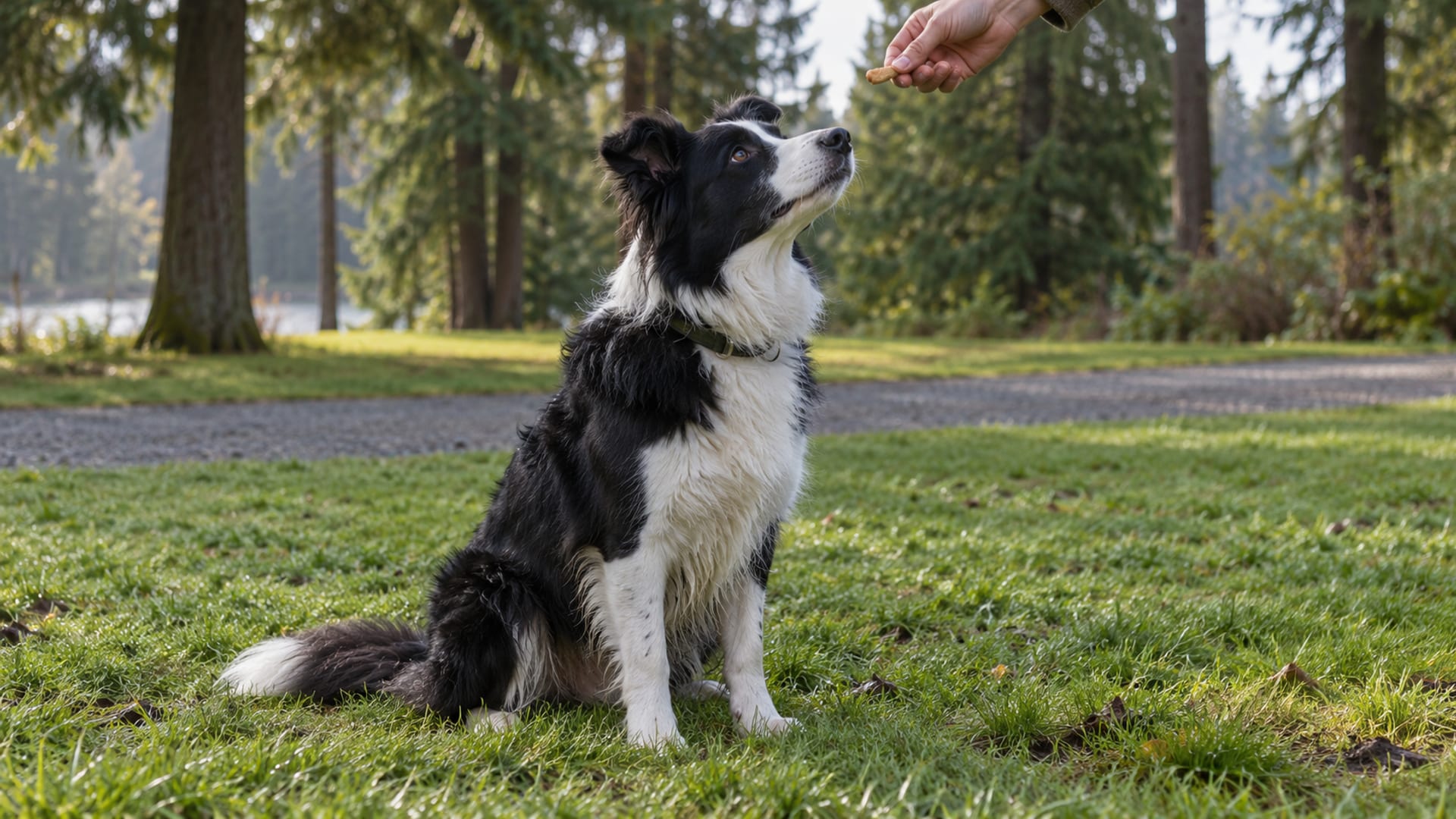
Start with reward-based training adapted to your dog's breed tendencies, size, age and daily life. Teach practical cues such as come, leave it, stay and loose-leash walking in short, successful sessions. Herding, sporting, hound, terrier, toy and working breeds may respond to different rewards and outlets, so watch your own dog and adjust.
Key takeaways
Tap a card to bring it forward.
- Reward-based training uses food, play, toys, praise or access to something your dog values, and it teaches the dog what to do.
- Breed group describes what a breed was developed to do, and your individual dog sets the actual pace.
- Teach the name, sit, down, stay, come, leave it and loose-leash walking, with come, leave it and calm leash manners often paying off first in daily life.
- Five- to ten-minute sessions, several times a day, fit a busy schedule.
- A newly adopted dog settles on its own timetable, and routine plus patience carry the first weeks.
Whether you're training a new puppy, a rescue just home from the shelter or an adult dog with a few gaps, the approach below works the same way. Pick a reward your dog loves, ask for one small behavior, and mark the right answer the moment it happens.
Why does reward-based training work best for every dog?
The American Veterinary Society of Animal Behavior (AVSAB) recommends reward-based training for every dog and every training goal. Rewards can be food, play, toys, praise or access to something the dog wants. Training goes best when you show the dog what to do, give a clear cue, reward right away, and keep the work free of fear, pain and intimidation.
The research points the same way. In a 2004 study, Hiby, Rooney and Bradshaw found the highest obedience among dogs trained only with rewards. A 2020 study of 92 companion dogs found more stress-related behavior, bigger post-training cortisol increases and more pessimistic responses in dogs trained with a higher share of aversive methods. That study observed existing training schools, so it shows an association that fits the AVSAB recommendation.
Reward-based training still has structure. Dogs need boundaries, management, repetition and consistent consequences. When a cue keeps going wrong, make the exercise easier and reward promptly. If your dog shows aggression or significant fear, book a veterinary visit and ask for a qualified behaviour professional.
How does breed group change the way you train?
Breed groups describe the work a breed was developed for and the tendencies that come with it. Genetics, early experience, health and learning history make every individual different, so use the group as a clue about rewards, difficulty and outlets, then let your dog correct you. The AKC breed temperament guide describes herding and sporting breeds as generally quick to follow commands but very active, while hounds and terriers commonly work more independently.
Tap or hover a row to highlight it.
| Breed group | Developed for | What tends to help | Watch for |
|---|---|---|---|
| Breed groupHerding (AKC) | Developed forControlling livestock | What tends to helpImpulse control, calm focus, varied tasks | Watch forChasing and circling, boredom with repetition |
| Breed groupSporting (AKC) | Developed forLocating, flushing, pointing and retrieving game | What tends to helpRetrieves, food, play and scent as rewards | Watch forExcitement that makes calm hard |
| Breed groupHound (AKC) | Developed forScent work or visual pursuit | What tends to helpHigh-value rewards, gradual recall practice | Watch forNose or eyes pulling attention away from you |
| Breed groupTerrier (AKC) | Developed forPursuing vermin | What tends to helpShort, lively exercises, legal outlets for chasing and digging | Watch forPersistence and independent decisions |
| Breed groupToy (AKC) | Developed forCompanionship | What tends to helpSmall rewards, handling practice, calm greetings | Watch forTreating small size as low training need |
| Breed groupWorking (AKC) | Developed forDrafting, guarding, rescue and pulling | What tends to helpReliable everyday cues, cooperative handling, real jobs | Watch forPower, independence and strong drive |
Herding and sporting breeds
Herding dogs notice movement quickly, respond well to direction and enjoy complex tasks, so they do best with calm-focus games, impulse control and safe outlets for chasing or circling. Change the exercises often, because repetition can frustrate a highly active individual.
Sporting dogs were developed to find and retrieve game, and many respond to food, play, scent and cooperation. Channel that enthusiasm into controlled retrieves and polite greetings, and reward calm moments when excitement runs high.
Hounds and terriers
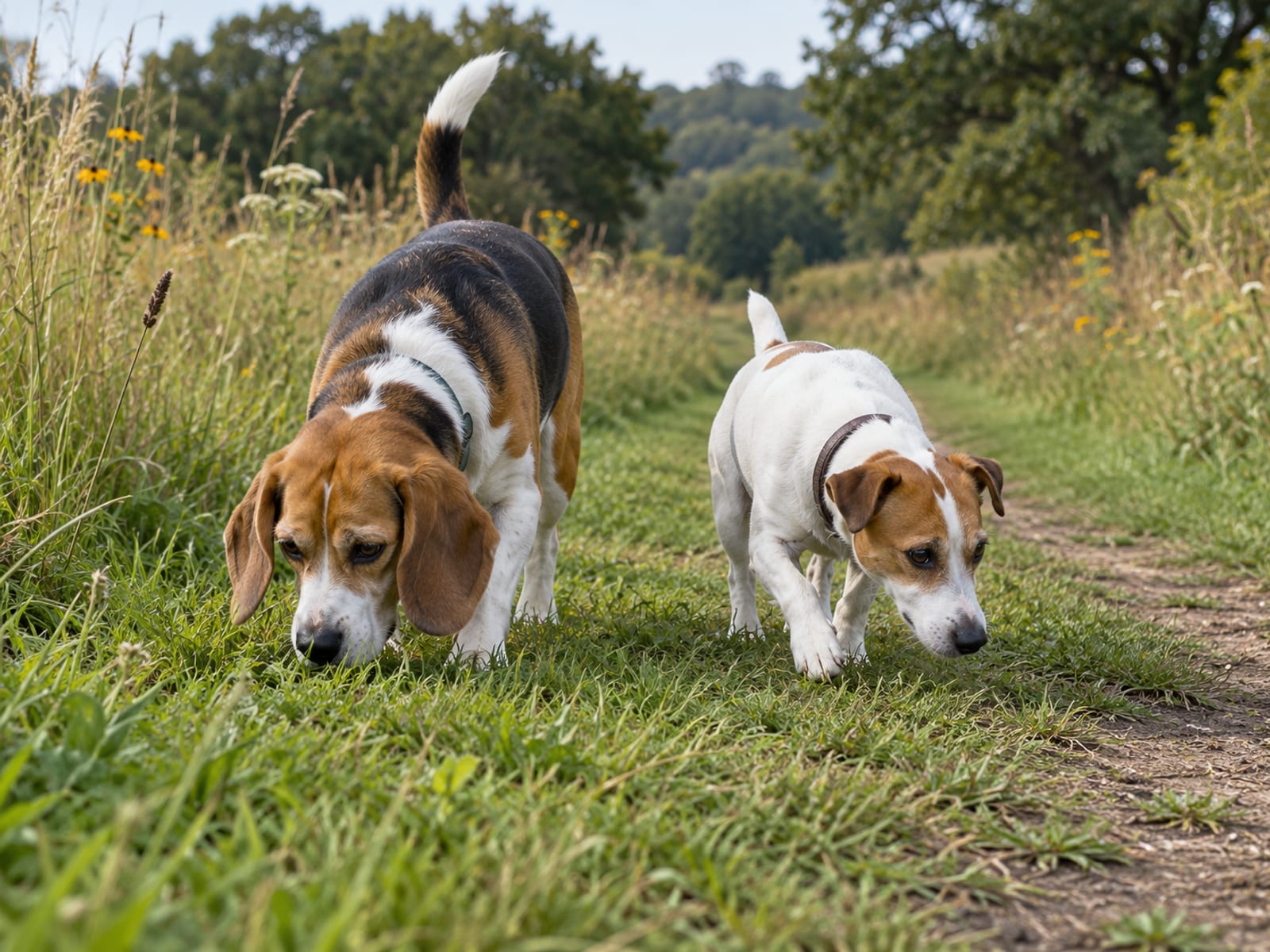
Scenthounds can put odor ahead of human cues, and sighthounds may lock onto moving animals. Use high-value rewards, build recall gradually and practice around distractions, expecting a pace that suits a dog bred to work at a distance.
Terriers are persistent, energetic and alert, and they're comfortable working independently. Keep exercises short and engaging, give them legal places to chase and dig, and reward attention and calm.
Toy, working and guardian breeds
Toy dogs were bred mainly for companionship, though many keep strong alerting or hunting instincts. Use small rewards, respect their joints and energy limits, and teach handling, calm greetings, recall and loose-leash walking. Browse the small dog breeds to see how much they differ.
Working breeds can be powerful, independent and highly driven, so reliable everyday cues, cooperative handling, calm behavior and purposeful mental and physical work come first. The working dog breeds list shows the range. Guardian breeds may be cautious with strangers: reward calm observation, set up predictable visitor routines and skip forced greetings. If your dog is a quick learner, expect to raise the difficulty sooner. For other breeds, the dog breeds index is a good place to start.
Which cues should I teach first, and how?
Teach your dog's name and attention first, then sit, down, stay, come, leave it and loose-leash walking, as AKC suggests. Use a marker word such as "yes" or a clicker, give the cue once, and reward the correct response right away. Then build up duration, distance and distractions gradually. A clicker needs about 10 to 20 repetitions paired with a treat before the dog understands it predicts a reward.
For the name, say it once in a quiet room and reward eye contact. For sit, lure the nose upward with a treat and mark the moment the rear touches the floor. For down, guide the reward toward the floor and slightly forward from a sit or stand, and mark when the dog lies down.
For stay, teach a release word such as "free" or "okay," reward very short periods of staying still, and increase duration before distance. For come, start indoors or in a secure area, say the name and "come," move away playfully and reward generously when your dog arrives. Keep recall happy; call your dog for good things while the cue is new.
Leave it starts with a boring item in a closed hand. Reward your dog for turning away, then move to an item on the floor and add distractions. For loose-leash walking, reward your dog for staying near you with a slack leash. If the leash tightens, pause or change direction, then reward the return to your side, and allow sniffing breaks.
Your dog's daily safety should set the order. Recall, leave it and calm leash behavior often matter more in everyday life than a formal heel.
How long should sessions be, and how do puppies differ from adults?
Short sessions suit puppies and busy people. AKC recommends five- to ten-minute sessions, ended while the puppy is still succeeding, and several brief sessions spread across the day work better than one long one. Trainers quoted by the AKC give five or ten minutes, two or three times a day, as an example. Treat the numbers as a starting point and end sooner if your dog loses interest.
Puppies can begin simple training when they come home, usually around eight weeks. AVSAB's puppy socialization statement supports classes from as early as seven to eight weeks when health requirements and veterinary guidance are met. Merck describes a sensitive socialization period of roughly 3 to 12 weeks, so safe, gradual, positive exposure to people, surfaces and sounds is worth planning for early.
Adult dogs learn the same cues. Use the same short, successful structure, and adjust the reward, setting, physical comfort and difficulty to your dog's age, history and attention span. Whatever the age, lower the difficulty when your dog keeps missing a cue.

How do I fit training into a busy day?
Attach practice to things already on your schedule. Ask for a sit before the food bowl goes down, a short recall in the hallway while you're getting ready, a leave it at the front door, and a few steps of loose-leash walking on the way to the car. Each takes seconds, and several brief repeats across the day add up.
Keep a few treats or a favorite toy in a pocket near the leash so rewards are always at hand. On a walk, trade a little sniffing time for a few seconds of focus on you, then release your dog to sniff again. The reward for good leash manners can be the next smell.
How do I choose a trainer or class?
Dog training isn't uniformly regulated in the United States, so look at a trainer's methods, experience, credentials and referral network. The CPDT-KA credential from the Council for Professional Dog Trainers shows a knowledge exam plus at least 300 hours of dog-training experience in the past three years. The CPDT-KSA adds a skills assessment, and the CBCC-KA is aimed at behavior consultants.
Prefer trainers who explain their approach, use rewards and teach practical alternatives. Ask these questions before you enroll, using the CCPDT guidance and AVSAB's consultant tips:
- What methods do you use to teach new behaviors?
- Which collars, leashes and tools do you use?
- What experience do you have with my dog's breed type, age or problem?
- Who do you refer to if a case needs more than you offer?
- Can I observe a class before enrolling?
Good classes keep group sizes manageable and spaces clean and safe, and they introduce new things gradually so dogs can keep learning.
Questions about training your dog
These short answers cover the training rules and commands people search for most.
What is the 3-3-3 rule for dog training?
It's an adoption-adjustment guideline. A newly adopted dog may need about three days to decompress, three weeks to settle into routines and three months to feel established. Puppies, senior dogs, fearful dogs and dogs with a complicated history may move faster or slower, so keep days quiet and predictable and add training as your dog relaxes.
What is the 7-7-7 rule for dogs?
The name has two common meanings. One is a puppy socialization checklist of seven examples in each of seven categories, such as people, places, surfaces, objects and experiences. The other describes a rescue dog's adjustment over seven days, seven weeks and seven months. Either way, keep exposures safe, gradual and positive.
What are the five golden rules of dog training?
Training groups publish several versions. A common reward-based version uses planning, contingency, parsimony, necessity and distribution. In practice: plan one specific behavior, mark it immediately, use the simplest clear signal, let natural consequences support the behavior, and reward often enough to keep it worthwhile.
What are the four main types of dog training methods?
Common labels include positive reinforcement, correction-based training, balanced training and relationship-based or science-based training. AVSAB recommends reward-based training and advises against methods that rely on pain, fear or intimidation, so choose the approach built on rewards, clear cues and gradual practice.
What are the basic dog commands to teach first?
Begin with the name and attention, then sit, down, stay, come, leave it and loose-leash walking. Your dog's daily safety decides which comes first. Recall, leave it and calm leash behavior tend to earn their place quickly.
What are the 7 basic commands for dogs?
A common seven-command list includes sit, down, stay, come, walk beside you, drop it and leave it. Terminology varies by country and trainer. Your dog's safety and ability to respond count for more than hitting exactly seven.
What techniques work for training a puppy?
Keep it reward-based, gradual, consistent and brief. Start with the name and attention, then teach cues by luring, capturing and shaping with immediate reinforcement. Pair that with safe socialization, handling practice, calm settling and house-training routines, and follow your veterinarian's health guidance before class or public outings.
What is the difference between adiestrar and educar a dog?
In Spanish, adiestrar usually means teaching specific skills, such as sit, recall or loose-leash walking. Educar usually means building everyday habits, such as household routines, calm greetings and polite play. Many people use the two words interchangeably, so look at a trainer's methods and goals more than the label.
Where to go from here
For breeds that learn quickly and need the most mental work, our fast-learning dog breeds list is a good next read. Woof Wag Nation has more breed guides in the dog breeds library, and the free Woof Wag Nation newsletter sends one practical dog guide each week.
Sources
- AVSAB, Position Statement on Humane Dog Training, 2021
- Hiby, Rooney and Bradshaw, Dog training methods: their use, effectiveness and interaction with behaviour and welfare, Animal Welfare, 2004
- Vieira de Castro et al., Does training method matter? PLOS ONE, 2020
- AKC, Why Are There Seven Groups?
- AKC, Breed Temperament Guide, May 2026
- AKC, What Were Hound Group Dogs Bred to Do?
- AKC, What Does It Really Mean to Be a Terrier?
- AKC, Working Breeds and Dog Sports
- AKC, Teach Your Puppy These 5 Basic Cues
- AKC, Basic Obedience Training for Puppies
- AKC, How to Teach Your Dog to Stay
- AKC, Clicker Training
- AKC, Teaching a Puppy to Walk on a Leash
- AKC, 13 Tips From Top Dog Trainers
- AVSAB, Puppy Socialization Position Statement
- Merck Veterinary Manual, Social Behavior of Dogs
- CCPDT, Dog Trainer Credentials
- CCPDT, How to Choose a Professional Dog Trainer or Behavior Consultant
- AVSAB, Tips for Finding the Right Behavior Consultant
- Pasadena Humane, The 3/3/3 Rule of Adopting a Dog
- Whole Dog Journal, What Are the Five Golden Rules of Dog Training?
- Hundeo, Los 7 comandos básicos para perros
- Wamiz, Diferencias entre adiestrar y educar a un perro