

Breed list
10 Low-Maintenance Dog Breeds, and the Work That Still Remains
Compare 10 low-maintenance dog breeds by grooming, exercise, training, health costs and time alone, plus the daily work each one still needs from you.
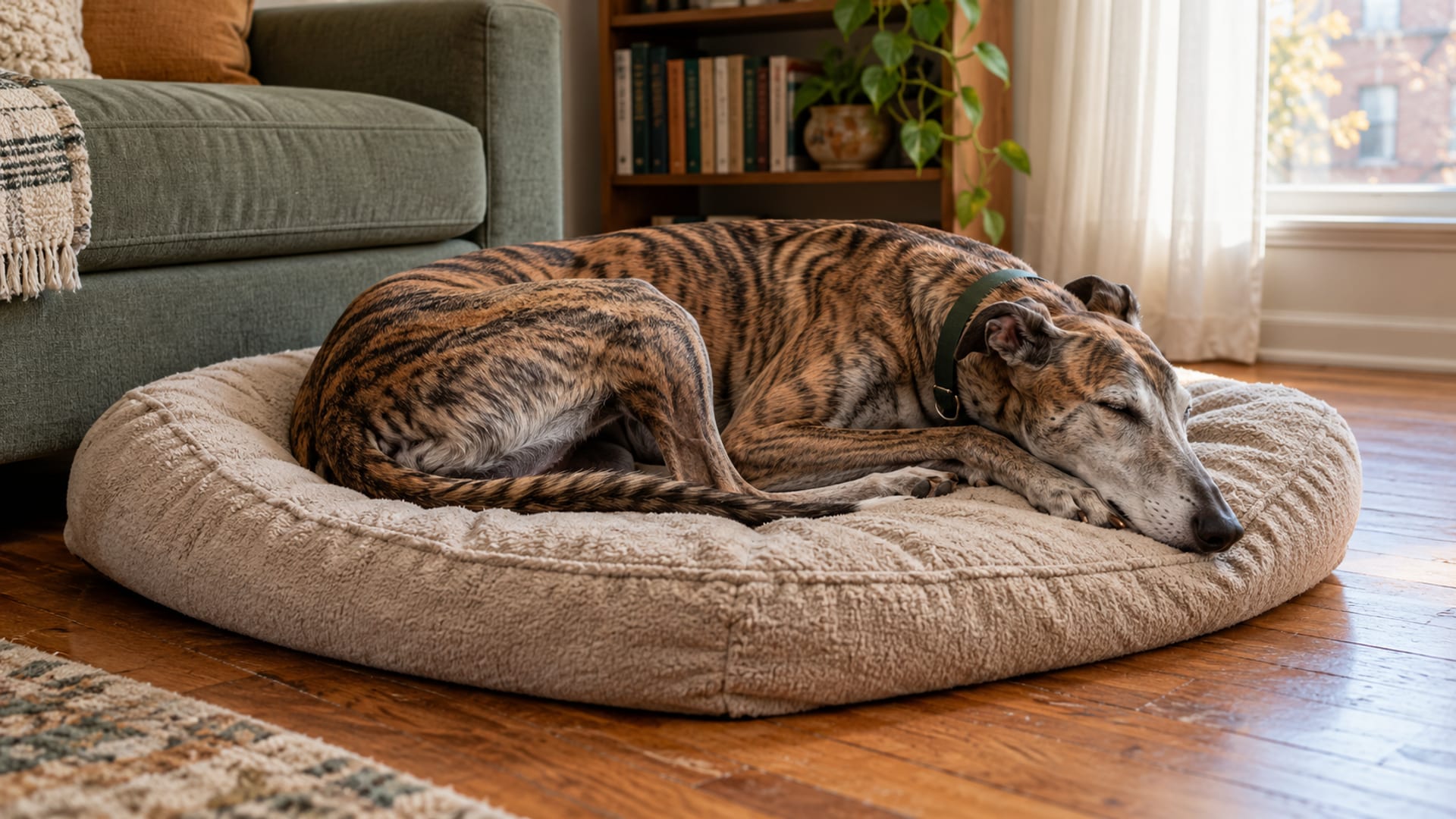
The easiest dog to care for depends on which work you want to cut. Short-coated breeds such as Chihuahuas, Whippets and Greyhounds may need less grooming, and some Bulldogs need less strenuous exercise. Every dog still needs daily care, training, veterinary attention, company and a plan for time alone.
Key takeaways
Tap a card to bring it forward.
- Low maintenance only means something when you name the workload that is lower: grooming, exercise, training, vet costs or time alone.
- A short coat usually means less brushing but often more shedding.
- Flat-faced breeds are easy to groom and harder on the household in heat, breathing and vet bills.
- No breed can be promised to handle eight hours alone.
- Each breed below saves one kind of work and keeps another, so match the leftover work to your week.
How this list defines low maintenance
Dog upkeep comes in five kinds. Grooming covers brushing, bathing, nails, ears, skin folds, teeth and any trimming. Exercise covers walks, play and breed-specific activity. Training is house manners, leash skills and recall. Veterinary cost covers routine prevention, dental care, inherited conditions and emergencies, and time and attention covers feeding, toileting, company and enrichment. A dog that saves you work in one area often adds it in another, which is why this list names both.
Each breed here has at least one real advantage, such as a short coat, moderate indoor exercise needs or a trainable temperament, and the work that remains is stated alongside it. The set mixes small, medium and large dogs.
How long can a dog be left alone, and what is the 7-7-7 rule?
No number of hours is safe for every dog. Age, health, toilet control, exercise, enrichment and temperament all matter, and puppies, seniors and dogs with medical needs or separation anxiety need shorter absences and more frequent support. The AKC says alone-time needs can't be set by breed, and that long isolation can harm welfare. A midday walker, sitter or daycare visit is a sensible plan for many workdays.
The 7-7-7 rule is an informal rescue and adoption idea about settling in, using seven hours, seven days or seven weeks depending on who tells it. The RSPCA offers welfare guidance for dogs that is more useful as a starting point.
What a dog costs each year
Costs vary with size, age, location and health. Rover's 2024 report put annual dog essentials at about $1,000 to $5,225, with a median of $260 a month. The North American Pet Health Insurance Association reported an average 2023 accident-and-illness premium of about $675.61 for dogs.
The AKC cites APPA figures of $242 for routine veterinary exams and $458 for surgical visits. These are averages, so some years will cost more; keep an emergency reserve separate from the predictable yearly costs. For health questions, DogServ is the better place to start.
1. Chihuahua
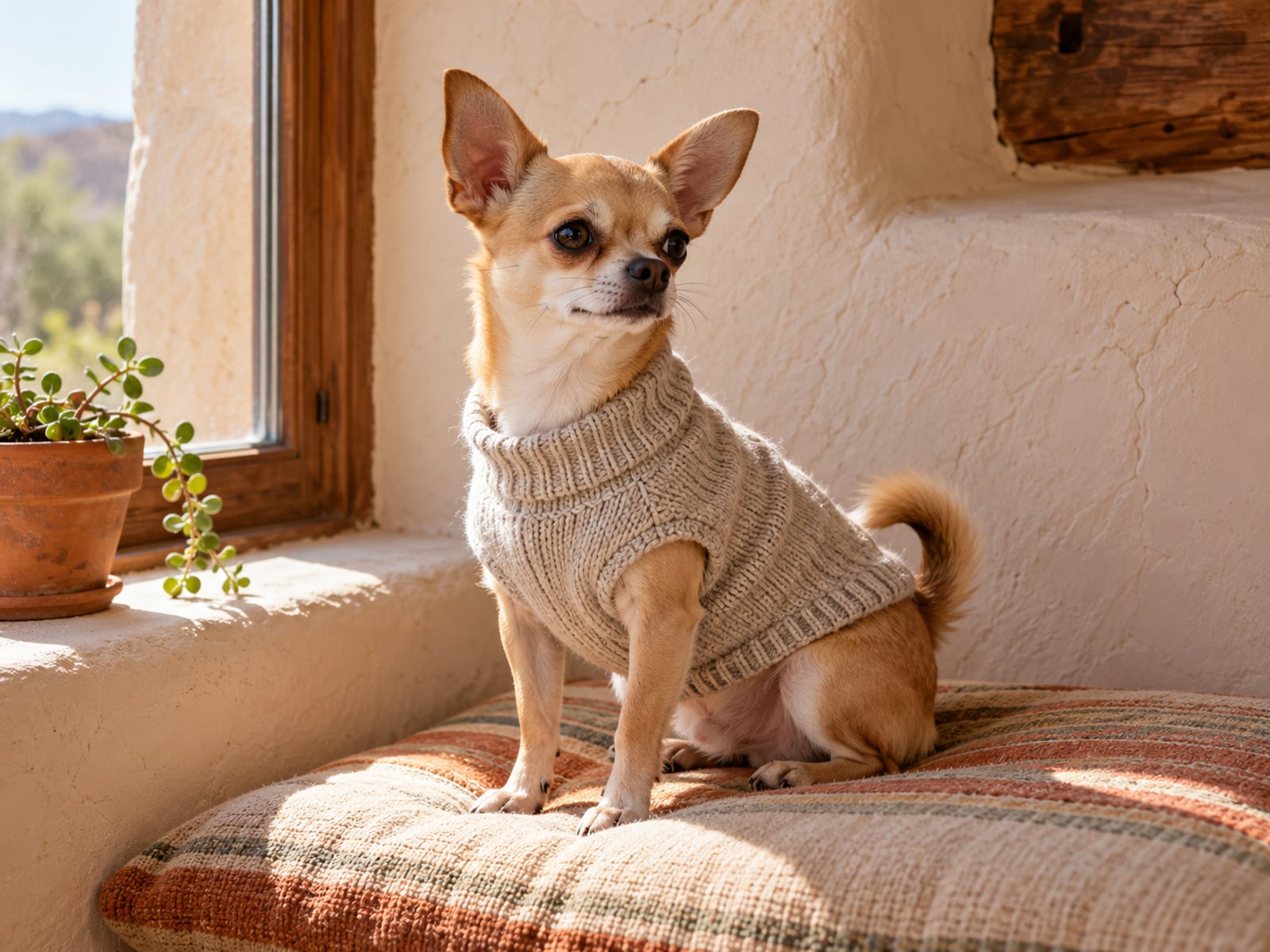
The Chihuahua stands 5 to 8 inches tall and weighs no more than 6 pounds, with a life expectancy of about 14 to 16 years on the AKC page. The coat is smooth or long. Both shed, and the long coat needs more brushing, so a smooth coat is the lower-grooming option. Nails, teeth and ears still need regular care.
What it saves: food, space and transport, since a body this small is easy to feed and carry. What remains: dental care and injury prevention matter unusually here, and the AKC describes the breed as alert and sometimes vocal. Health concerns include patellar luxation, heart disease, eye disease and dental crowding.
A Chihuahua often suits a small home with short walks and daily play. It is a poor fit for a household wanting a robust dog for rough play, a very quiet apartment or a dog that can be ignored for long periods. Because small bones break easily, respectful older children are a better match than toddlers.
2. Dachshund
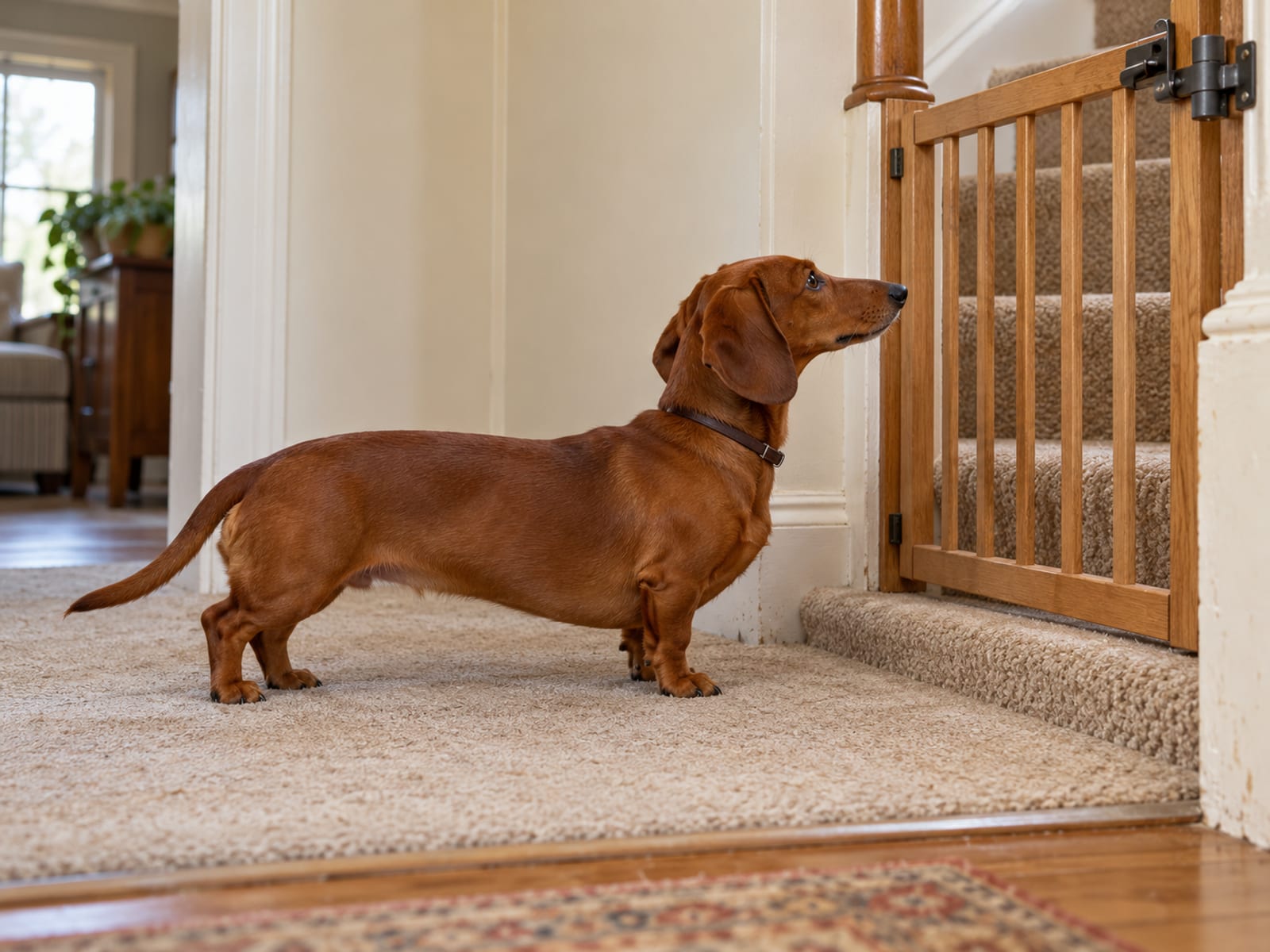
The Dachshund comes in a standard size of 8 to 9 inches and 16 to 32 pounds, or a miniature of 5 to 6 inches and 11 pounds or less. Life expectancy is about 12 to 16 years. Smooth coats are the simple ones, while wirehaired and longhaired coats need more brushing and trimming. All three shed.
What it saves: moderate activity needs and a short, simple smooth coat. What remains: back care. Intervertebral disc disease is a recognized concern, so households manage jumping and stairs, and use ramps where needed. The Dachshund Club of America health page covers back health in more detail.
Dachshunds are clever and independent, which means consistent, positive training matters. They are commonly alert and vocal, and hunting instincts can complicate life with small pets. They suit an owner who will walk daily and manage the stairs, and not one who dislikes barking.
3. Boston Terrier
The Boston Terrier is 15 to 17 inches tall and weighs 12 to 25 pounds, with a life expectancy of about 11 to 13 years. The short, smooth coat sheds moderately and needs little grooming beyond nails, teeth, ears and skin.
What it saves: coat work, and the AKC describes a friendly, bright and adaptable dog that is often trainable. What remains: this is a flat-faced breed, so brachycephalic obstructive airway syndrome is a concern, along with eye disease, allergies and patellar luxation. Heat and hard exercise need caution, so the short coat is the easy part and hot-weather planning is the real task.
A Boston often fits an apartment, and barking is usually moderate, though it varies by dog. It is a poor match for a home that can't manage heat, breathing or eye risks. Build alone time gradually, and supervise children.
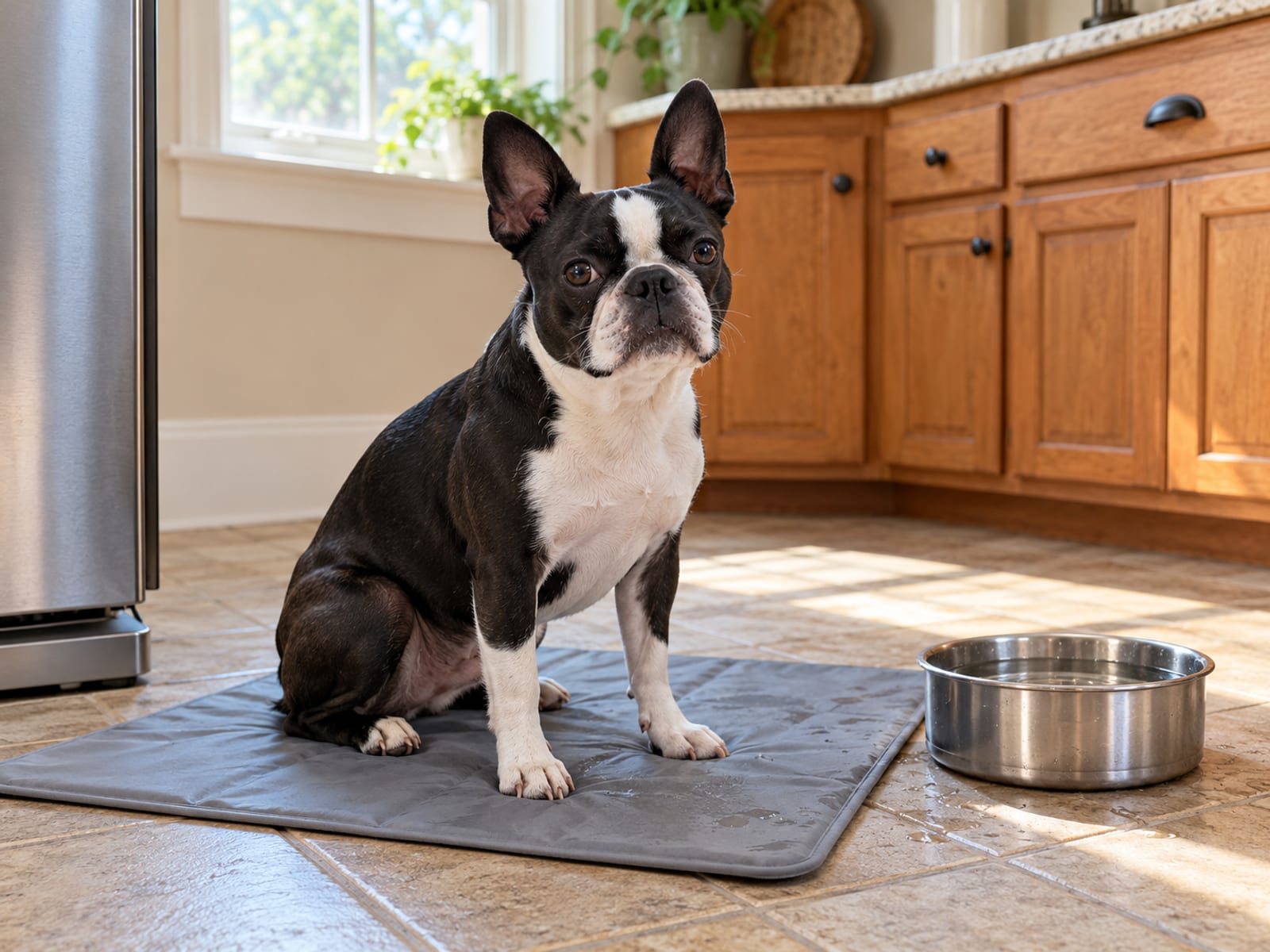
4. French Bulldog
The French Bulldog is about 11 to 13 inches tall and under 28 pounds, with a life expectancy of about 10 to 12 years on the AKC page. The coat is short and smooth, with weekly brushing, but it sheds regularly. Wrinkles, ears, nails and teeth also need routine care.
What it saves: long walks. Short walks and moderate play generally suit this breed. What remains: breathing and heat. The breed is brachycephalic, and heat, humidity or strenuous play can become dangerous; the Cornell guide lays out the airway risk. RVC VetCompass reporting on a UK population found a short life expectancy figure of 4.5 years for French Bulldogs, which comes from that studied group and should be read cautiously.
A Frenchie can adapt to an apartment with good ventilation and a veterinary budget. It is not the right fit for anyone who wants low health risk, heat-tolerant exercise or predictable vet costs.
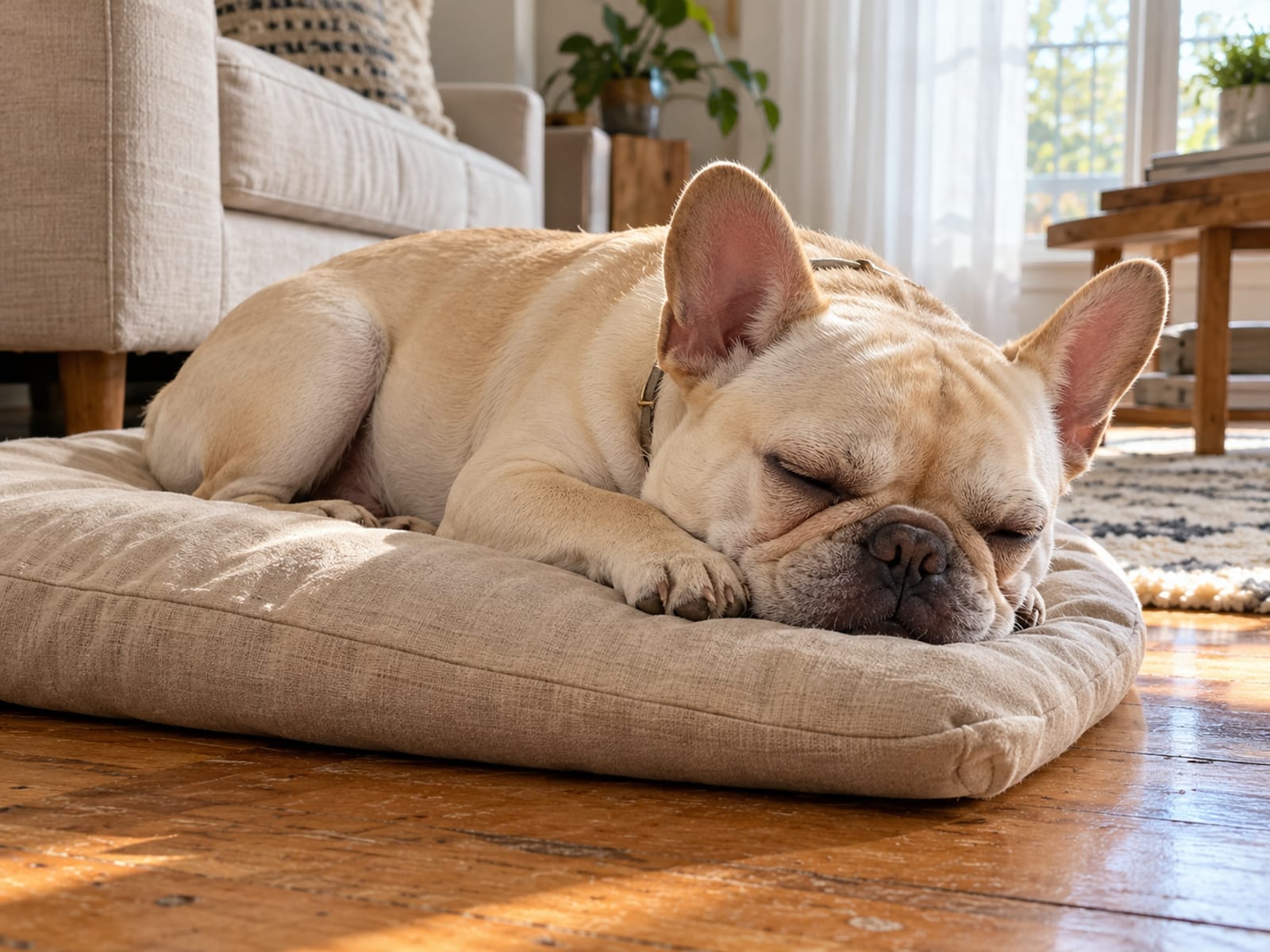
5. Greyhound
The Greyhound is large: males stand 28 to 30 inches and weigh 65 to 70 pounds, and females stand 26 to 28 inches and weigh 60 to 65 pounds. Life expectancy is about 10 to 13 years. The short smooth coat sheds lightly to moderately and needs minimal care, though nails, teeth and thin skin deserve attention.
What it saves: grooming, and often indoor energy, since many are calm at home. What remains: a daily walk plus safe chances for short bursts of running, and strong prey drive means recall and secure fencing or leash handling matter. Osteosarcoma, bloat, anesthesia sensitivity and dental disease are health concerns; the Greyhound Health Initiative and Greyhound Pets have breed-specific health guidance.
Greyhounds are generally quiet and often gentle with children. Cats and small animals are a case-by-case decision. A Greyhound can fit an apartment if daily exercise is provided, but it isn't for homes unable to secure a running area or with unassessed small pets.
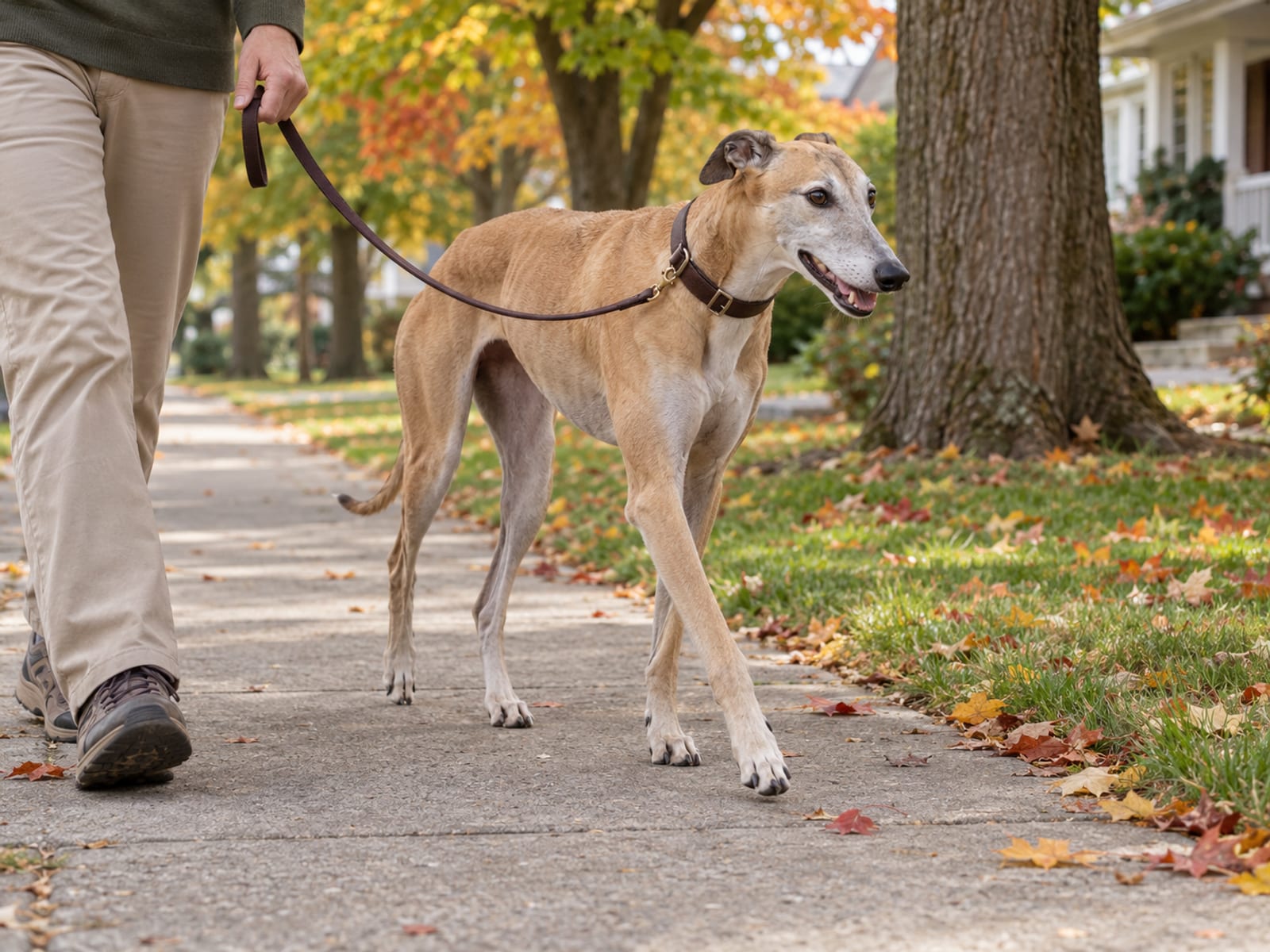
6. Basset Hound
The Basset Hound stands up to 15 inches tall and weighs about 40 to 65 pounds, with a life expectancy of about 12 to 13 years. The short dense coat sheds regularly and needs weekly brushing, plus extra care for ears, skin folds, nails and feet.
What it saves: high-intensity exercise. The AKC describes a patient, low-key, affectionate dog, though it needs daily walks and moderate play. What remains: ears, weight and scent. Its nose drives its walks, and independence plus scent drive can make recall and training slow. Obesity, ear disease, skin-fold problems, back and joint trouble and bloat are all concerns.
Bassets can be vocal, including baying and howling, so the neighbors matter. The breed is commonly described as patient with children, though supervision is still needed. It works for owners who like slow, sniffy walks and don't mind cleaning ears, and not for noise-sensitive homes.
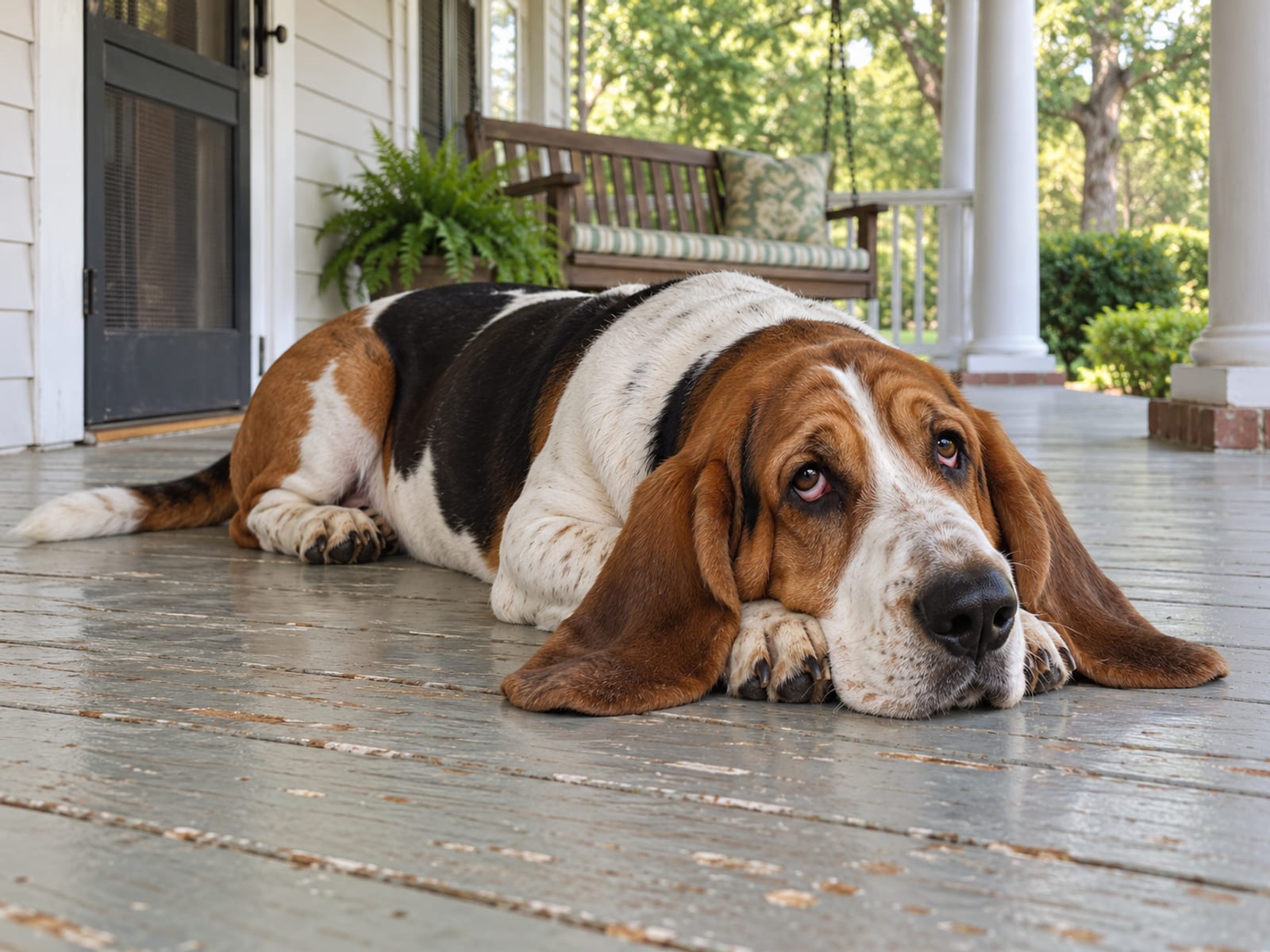
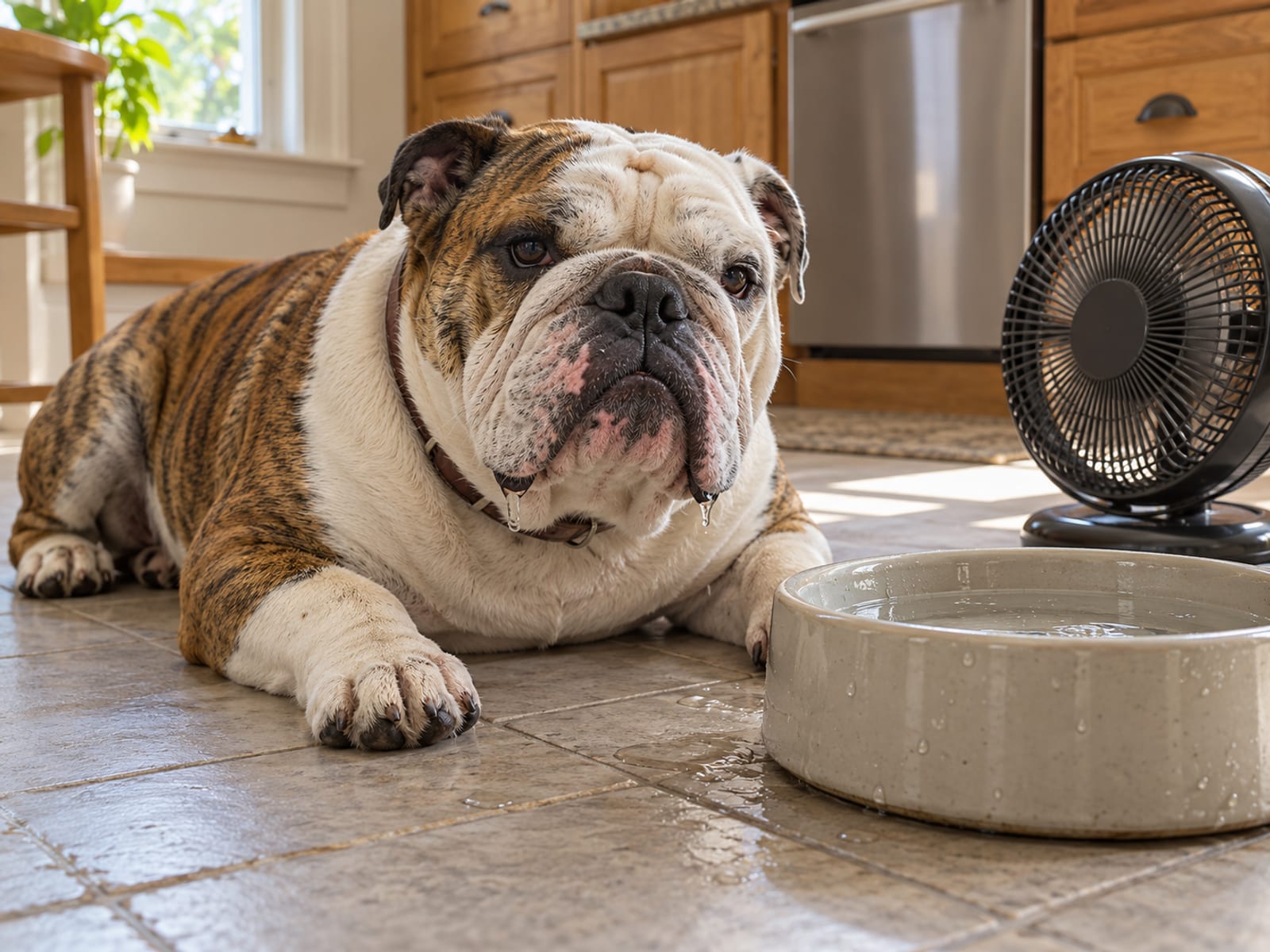
7. Bulldog
The Bulldog, also called the English Bulldog, weighs about 50 pounds for males and 40 pounds for females and stands about 14 to 15 inches, with a life expectancy of about 8 to 10 years. The coat is short and smooth and sheds regularly. Brushing is easy, but facial folds, skin, ears, nails and teeth need frequent attention.
What it saves: walking distance, since exercise is low to moderate. What remains: a medically demanding routine. Flat-faced breeds carry risks with breathing, heat, skin folds, allergies, orthopedic disease, eyes and obesity, and the 2022 UK VetCompass study and RVC reporting point to a shorter life expectancy in this breed, with Bulldogs at 7.4 years in that UK population.
A Bulldog can live in an apartment if temperature and exercise are managed, and the AKC describes a calm, friendly dog that can be stubborn. It is a poor choice for anyone wanting long walks, heat tolerance, low vet risk or a long expected lifespan.
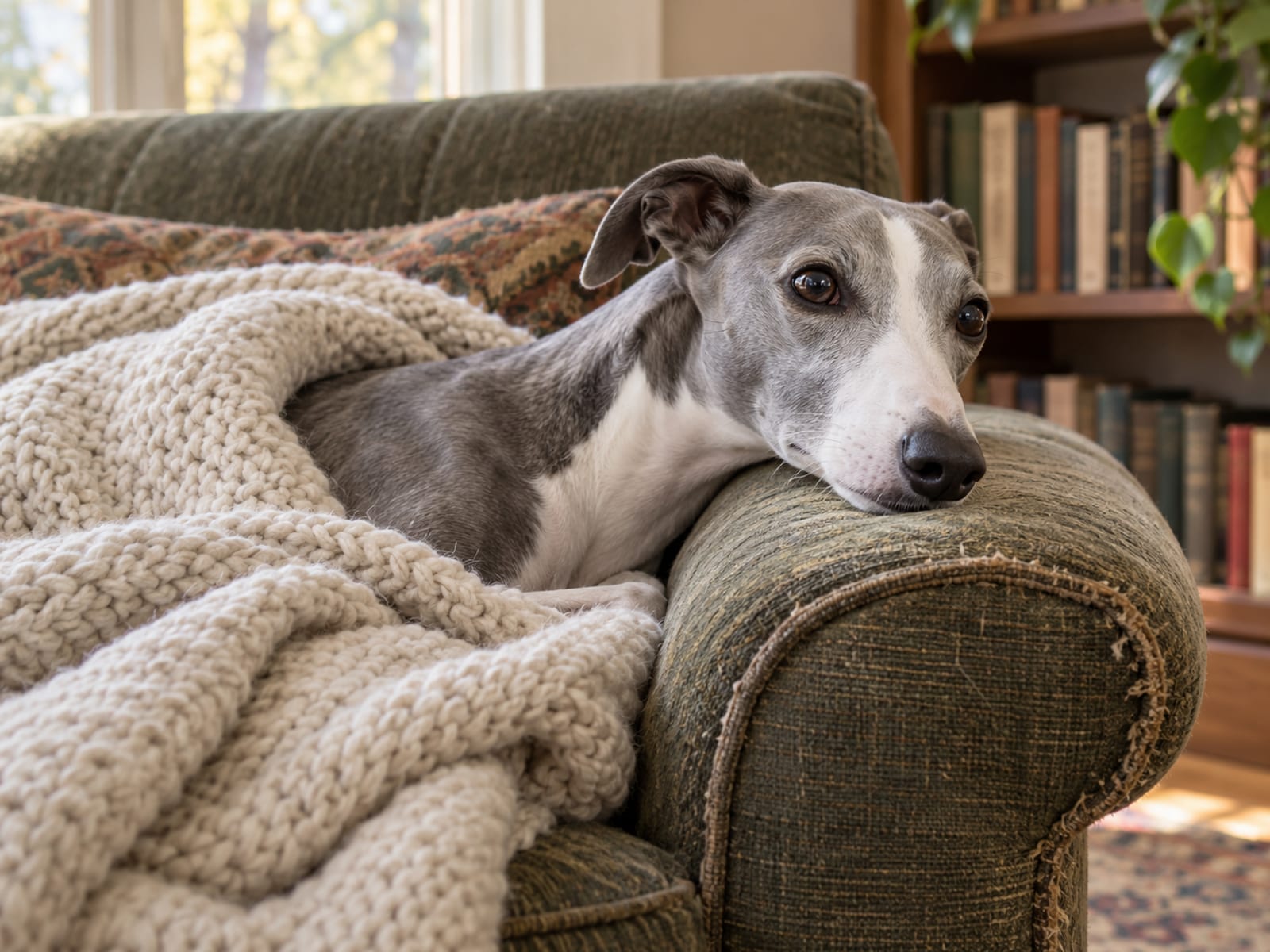
8. Whippet
The Whippet is medium sized: males stand 19 to 22 inches and females 18 to 21 inches, at about 25 to 40 pounds, with a life expectancy of about 12 to 15 years. The short smooth coat sheds lightly and needs little grooming beyond nails, teeth and skin care.
What it saves: coat work and, often, barking, since Whippets are generally quiet. What remains: a daily walk plus safe sprinting. The exercise pattern is intense short bursts with long rest, rather than endurance, but that means secure fencing or a leash, because prey drive is real. Eye disease, heart disease, deafness and injuries are the recognized concerns.
The AKC describes a playful, calm, gentle dog that can be sensitive, so harsh training tends to backfire. Whippets are often good with respectful children, and small pets are a case-by-case issue. They suit apartments with a daily exercise plan, and not homes near uncontrolled roads or with small prey animals.
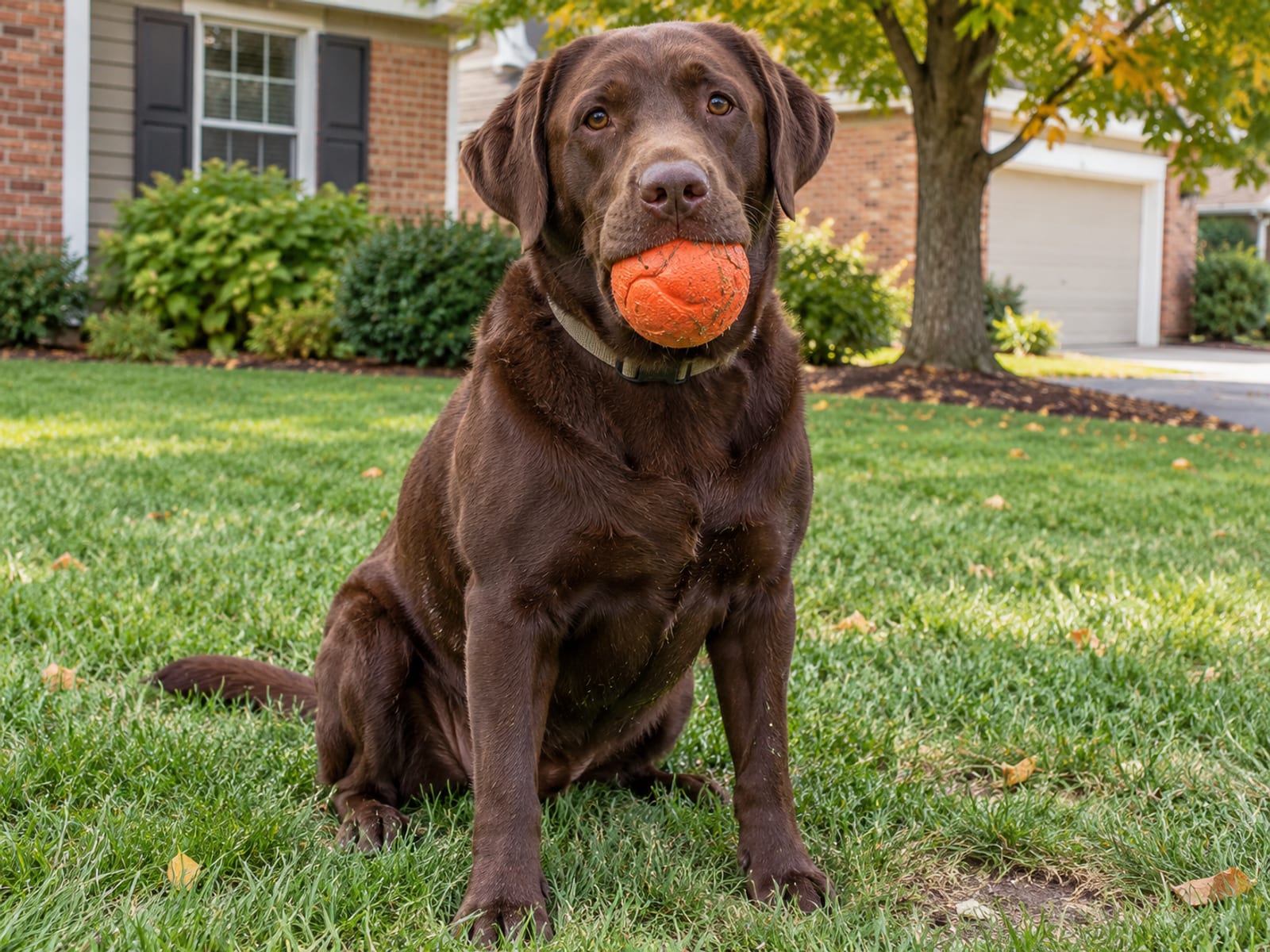
9. Labrador Retriever
The Labrador Retriever is a large dog. Males stand 22.5 to 24.5 inches and weigh 65 to 80 pounds, and females stand 21.5 to 23.5 inches and weigh 55 to 70 pounds. Life expectancy is about 11 to 13 years. The water-resistant double coat is simple to brush weekly, but shedding is heavy, especially seasonally.
What it saves: training effort. The AKC describes a friendly, outgoing, eager-to-please dog. What remains: exercise, and plenty of it. Daily walks, retrieving, swimming and mental work are part of the picture, and young Labs need substantial activity and interaction. Hip and elbow dysplasia, obesity, ear disease, exercise-induced collapse and eye disease are concerns.
A Lab commonly fits a family when trained and supervised, but it is demanding for puppies and under-exercised dogs in apartments. It is not for a sedentary household unwilling to give daily physical and mental exercise. For smaller dogs, see 10 small dog breeds.
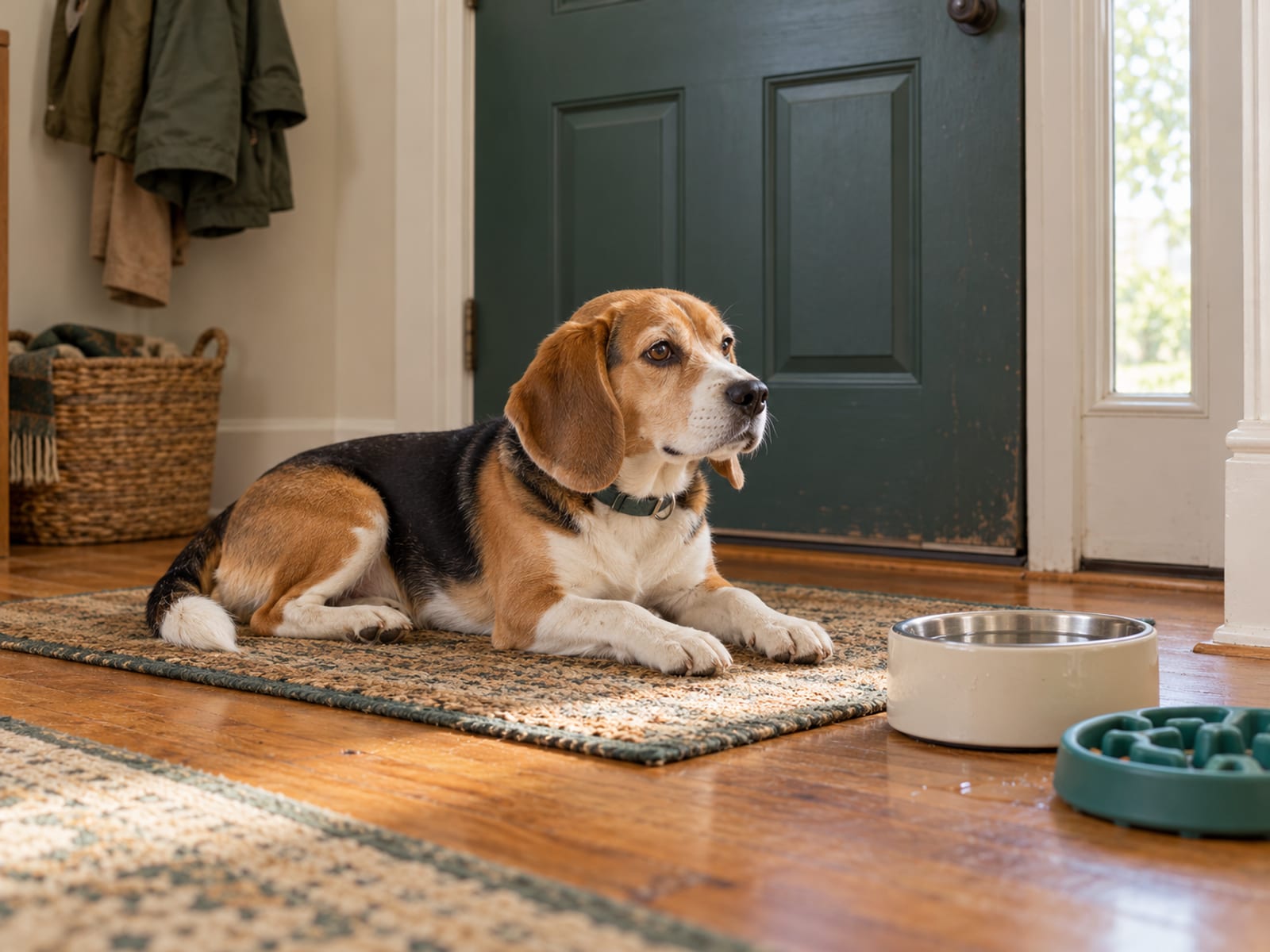
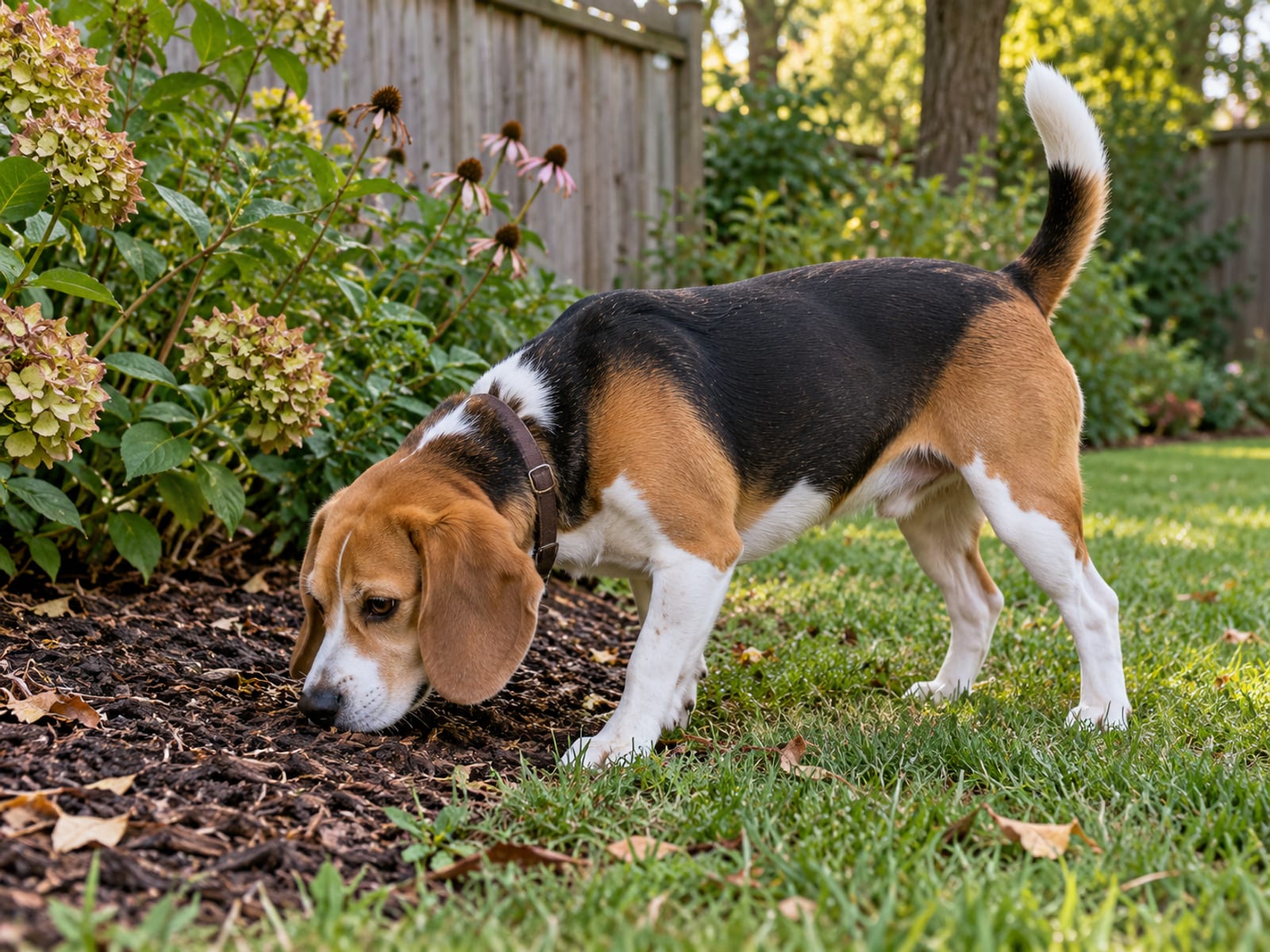
10. Beagle
The Beagle comes in two sizes: 13 inches and under at under 20 pounds, or 13 to 15 inches at 20 to 30 pounds. Life expectancy is about 10 to 15 years. The short, dense, hard coat sheds regularly and needs little brushing, though ears, nails, teeth and weight need routine care.
What it saves: coat work, and the AKC describes a friendly, curious, merry dog that does well with children and other dogs. What remains: its nose and its voice. Scent distraction complicates training, and Beagles are vocal, including baying and howling. Boredom can lead to barking or destructive behavior, and the nose can drive escape attempts, so secure containment is part of the deal.
Regular daily activity and scent-based enrichment are needed. Obesity, epilepsy, hypothyroidism, eye and ear disease and orthopedic problems are concerns. Apartment life is possible only with strong exercise and noise planning, and small prey animals may not be safe around one.
The ten breeds side by side
The table lines up size, lifespan, coat and exercise for each breed. Individual dogs vary, so treat it as a starting point.
Tap or hover a row to highlight it.
| Breed | Weight or height | Lifespan | Coat and shedding | Exercise |
|---|---|---|---|---|
| BreedChihuahua | Weight or height5 to 8 in; up to 6 lb | Lifespan14 to 16 years | Coat and sheddingSmooth or long; both shed | ExerciseShort walks, indoor play |
| BreedDachshund | Weight or heightStandard 16 to 32 lb; miniature 11 lb or less | Lifespan12 to 16 years | Coat and sheddingSmooth, wire or long; all shed | ExerciseModerate; manage jumping and stairs |
| BreedBoston Terrier | Weight or height15 to 17 in; 12 to 25 lb | Lifespan11 to 13 years | Coat and sheddingShort; moderate shedding | ExerciseModerate; careful in heat |
| BreedFrench Bulldog | Weight or height11 to 13 in; under 28 lb | Lifespan10 to 12 years | Coat and sheddingShort; regular shedding | ExerciseShort walks; heat care |
| BreedGreyhound | Weight or heightMales 65 to 70 lb; females 60 to 65 lb | Lifespan10 to 13 years | Coat and sheddingShort; light to moderate shedding | ExerciseDaily walk and safe sprints |
| BreedBasset Hound | Weight or heightUp to 15 in; 40 to 65 lb | Lifespan12 to 13 years | Coat and sheddingShort; regular shedding | ExerciseDaily walks, scent work |
| BreedBulldog | Weight or heightAbout 40 to 50 lb; 14 to 15 in | Lifespan8 to 10 years | Coat and sheddingShort; regular shedding | ExerciseLow to moderate; heat risk |
| BreedWhippet | Weight or height25 to 40 lb; 18 to 22 in | Lifespan12 to 15 years | Coat and sheddingShort; light shedding | ExerciseDaily walk and safe sprints |
| BreedLabrador Retriever | Weight or heightMales 65 to 80 lb; females 55 to 70 lb | Lifespan11 to 13 years | Coat and sheddingShort double coat; heavy shedding | ExerciseHigh; walks, retrieving, swimming |
| BreedBeagle | Weight or heightUnder 20 lb or 20 to 30 lb | Lifespan10 to 15 years | Coat and sheddingShort; regular shedding | ExerciseRegular daily activity, scent work |
If an apartment is your main constraint, see apartment dog breeds, and browse the full dog breeds hub for more.
Questions people ask about low-maintenance dogs
These answers cover the questions people most often ask when they want a dog that fits a busy life. Individual dogs vary, so use each answer as a starting point.
Which is the easiest dog to take care of?
No breed is easiest for everyone. For lower coat work and manageable indoor routines, a Chihuahua, Whippet or Greyhound can be practical in the right home. French Bulldogs and Bulldogs are easy to groom but may need more health management.
What is the 7-7-7 rule with dogs?
It is an informal rescue and adoption rule about settling in, using seven hours, seven days or seven weeks depending on the version. Let the dog's age, history, health and behavior shape the plan.
Which dog can stay alone for 8 hours?
No breed can be guaranteed to handle eight hours alone. Some healthy adult dogs manage a workday with toilet access, exercise, enrichment and a midday visit, and the AKC's alone-time guidance is a good reference. Puppies, seniors and dogs with separation problems need more frequent support.
What is the best dog for lazy owners?
A better question is which dog matches the routine you really have. Greyhounds, Whippets, Basset Hounds and some Bulldogs may have lower indoor activity needs, but all of them need exercise, training, company and veterinary care.
What breed of dog is hardest to train?
No single breed is hardest. Independent scent hounds, some terriers and Dachshunds may need more repetition and management, as they were bred to work away from direct human control. Motivation, socialization and the trainer's skill all matter too.
Which dog breed cannot be left alone?
No breed is categorically unable to be alone, and individual dogs can develop separation anxiety whatever the breed. A veterinary behaviorist can tell normal protest and boredom apart from true separation-related distress.
Which low-maintenance dogs suit seniors or apartments?
For seniors, size, lifting ability, walking capacity and a support plan matter more than a breed label. A Chihuahua, Whippet, Greyhound, Boston Terrier or an adult Basset Hound may fit some households. In an apartment, think about barking, exercise access, heat, stairs and building rules, and see apartment dog breeds.
Which breed has the fewest health problems?
No single breed has the fewest problems in every population. Health depends on the conditions counted, breeding practices, body condition and veterinary care. Use breed health testing requirements and population studies, not a single "healthiest breed" claim.
Which breed gets sick the most?
There is no definitive ranking. Flat-faced breeds such as French Bulldogs, Bulldogs and Pugs have documented higher risks involving breathing, heat, skin and eyes, per the Cornell airway guide. That risk applies across the breed population, and individual dogs vary.
Which dog breed lives the longest?
It depends on the dataset and country. A 2022 UK VetCompass study reported Jack Russell Terriers at 12.72 years at birth, followed by Yorkshire Terriers at 12.54 years. Those are population estimates, so an individual dog may live shorter or longer.
Which dogs smell the least?
Odor depends on skin, ears, mouth, coat, moisture, diet and disease, not only breed. Short-coated dogs may be easier to bathe, but they can still smell. Regular veterinary care and hygiene count for more than breed.
Which breeds are calm and don't bark?
Greyhounds and Whippets are commonly described as relatively quiet. Basset Hounds and Beagles may be more vocal because of baying and scent-hound tendencies, and any breed can bark. Spend time with the individual dog and think about your building.
Where to go from here
If shedding matters as much as time, our lower-shedding dog breeds list is a good next read. Woof Wag Nation has more breed guides in the dog breeds library, and the free Woof Wag Nation newsletter sends one practical dog guide each week,.
Sources
- AKC: Dog breeds
- AKC: Breed health testing requirements
- AKC: How long can dogs be left alone
- AKC: The true cost of owning a dog
- AKC: Chihuahua
- AKC: Dachshund
- AKC: Boston Terrier
- AKC: French Bulldog
- AKC: Greyhound
- AKC: Basset Hound
- AKC: Bulldog
- AKC: Whippet
- AKC: Labrador Retriever
- AKC: Beagle
- Dachshund Club of America: Health
- Greyhound Pets: Health
- Greyhound Health Initiative
- Cornell Riney Canine Health Center: Brachycephalic obstructive airway syndrome
- Teng, O'Neill and colleagues, Scientific Reports, 2022: dog life expectancy (VetCompass)
- RVC VetCompass: Remaining life expectancy of dogs
- Rover: 2024 True Cost of Pet Parenthood
- NAPHIA: Industry data and reports
- RSPCA: Dogs