

Choosing a dog
9 Dog Breeds That Adapt Well to Apartment Life
Nine dog breeds that adapt to apartments, from Cavaliers to Whippets, with barking, stairs, workday alone time and building pet rules to check.
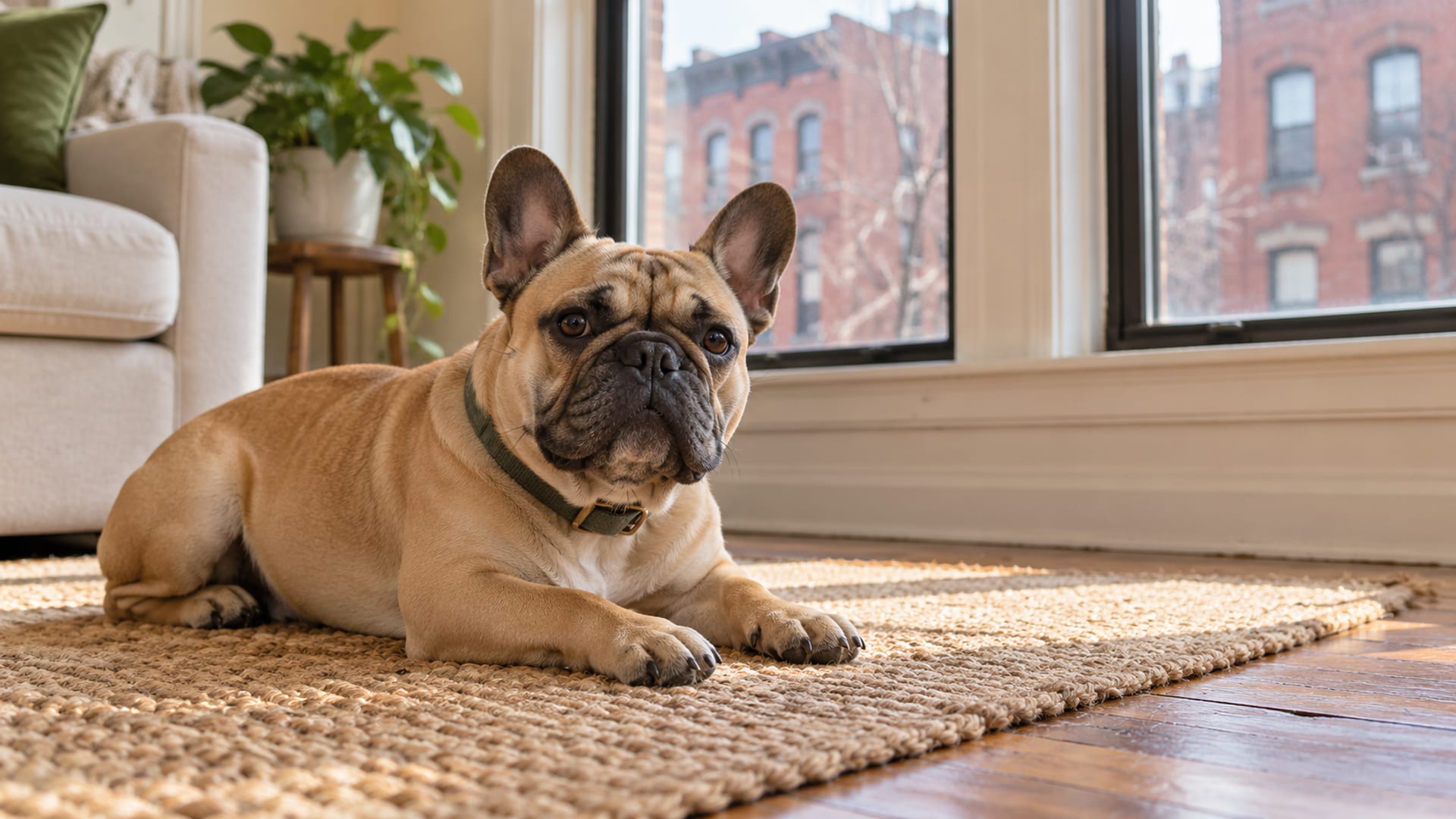
The best apartment dog has manageable energy, a reasonable barking tendency and needs your schedule can meet, and that can be a medium-sized Whippet as easily as a toy breed. Cavalier King Charles Spaniels, Bichon Frises, Havanese, Maltese, Shih Tzus, Pugs, French Bulldogs, Boston Terriers and Whippets can each fit a different apartment, with a midday break planned for every one of them.
Key takeaways
Tap a card to bring it forward.
- Energy, barking and your daily routine predict apartment success better than size alone.
- The Whippet is a medium-sized dog that settles quietly indoors when it gets safe, fast exercise several times a week.
- Pugs, French Bulldogs, Boston Terriers and Shih Tzus have short faces, so heat and breathing care shape their day.
- Bichons, Havanese, Maltese and Shih Tzus shed little loose hair and need regular grooming.
- Plan a midday walker, sitter or family visit rather than a full workday alone, and get the building's pet policy in writing.
Most apartment questions come down to a few daily realities: hallway noise and neighbors, stairs and elevators, a small floor plan, hours alone during the workday and the building's pet rules. Size is only one factor, since some large breeds are low-activity and happy to lounge indoors while some small breeds are vocal or high-energy.
Whichever breed appeals to you, your workday, your neighbors and your building's rules decide whether it works.
What makes a breed fit apartment life
Nine AKC-recognized breeds appear here, eight small and one medium-sized, so size never becomes the main test. Each one has adult energy and exercise needs that you can meet without a private yard, an adaptable, companion-oriented or indoor-settling temperament, and barking tendencies that stay manageable for shared-wall living once the dog is trained and its needs are met. Each also comes with its limits stated beside its strengths.
The same checks apply to any dog you're considering:
- Exercise needs that match the walks, play and enrichment you can supply.
- Barking and alerting around hallway noise, elevators, visitors and windows.
- The ability to settle indoors after exercise.
- Size and logistics: stairs, elevators, narrow hallways and crate space.
- Comfort with your daily absences, with a plan for the hours you're out.
The individual dog counts as much as the breed. An adult dog with a known routine, a quiet history in a shared building and a calm temperament can beat a breed's reputation. Ask the shelter, foster home or seller how the dog behaves with strangers, noise and time alone.
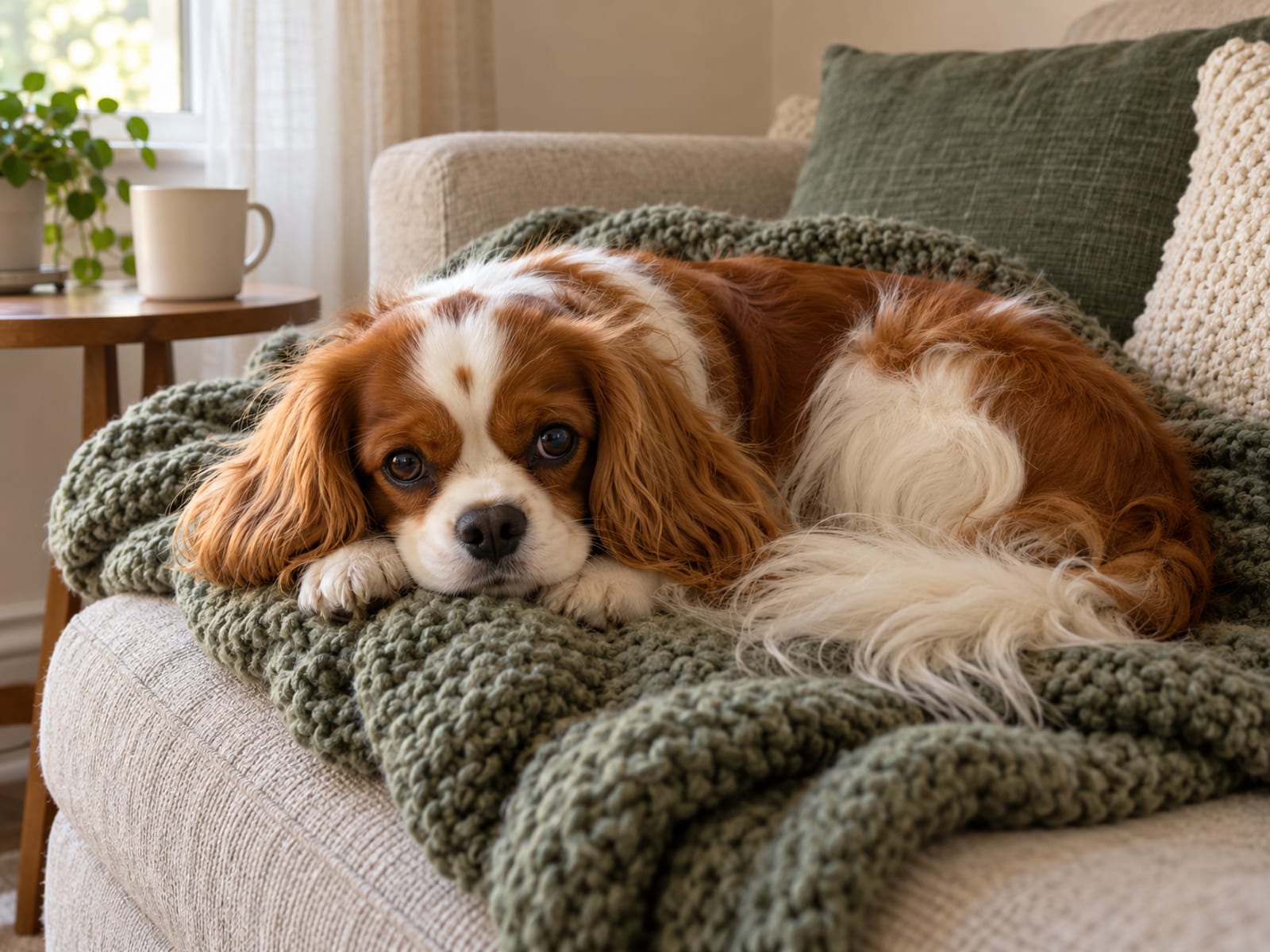
1. Cavalier King Charles Spaniel
A Cavalier stands 12 to 13 inches tall, weighs 13 to 18 pounds and lives 12 to 15 years. The medium-length silky coat sheds regularly and needs brushing, weekly ear checks and monthly nail trims. Exercise is moderate: daily walks and some outdoor activity, balanced with indoor companionship. A sporting ancestry means this lapdog usually enjoys more outdoor time than its looks suggest.
Cavaliers are gentle, affectionate, intelligent and eager to please, which helps in shared buildings. Barking is generally relatively quiet, although individual dogs may alert-bark at hallway sounds. They're generally good with children, dogs and other animals when socialized, and all interactions deserve supervision.
Companionship matters most with this breed. Cavaliers are highly social and may become distressed when left alone, so a household away for long stretches needs a walker or sitter. The Cavalier King Charles Spaniel Club discusses breed-linked heart and neurological screening, including mitral valve disease and syringomyelia, along with eye disease, ear disease, patellar luxation and hip dysplasia. A Cavalier suits a household that offers daily walks, company and a plan for veterinary screening. Find more in the small dog breeds.
2. Bichon Frise
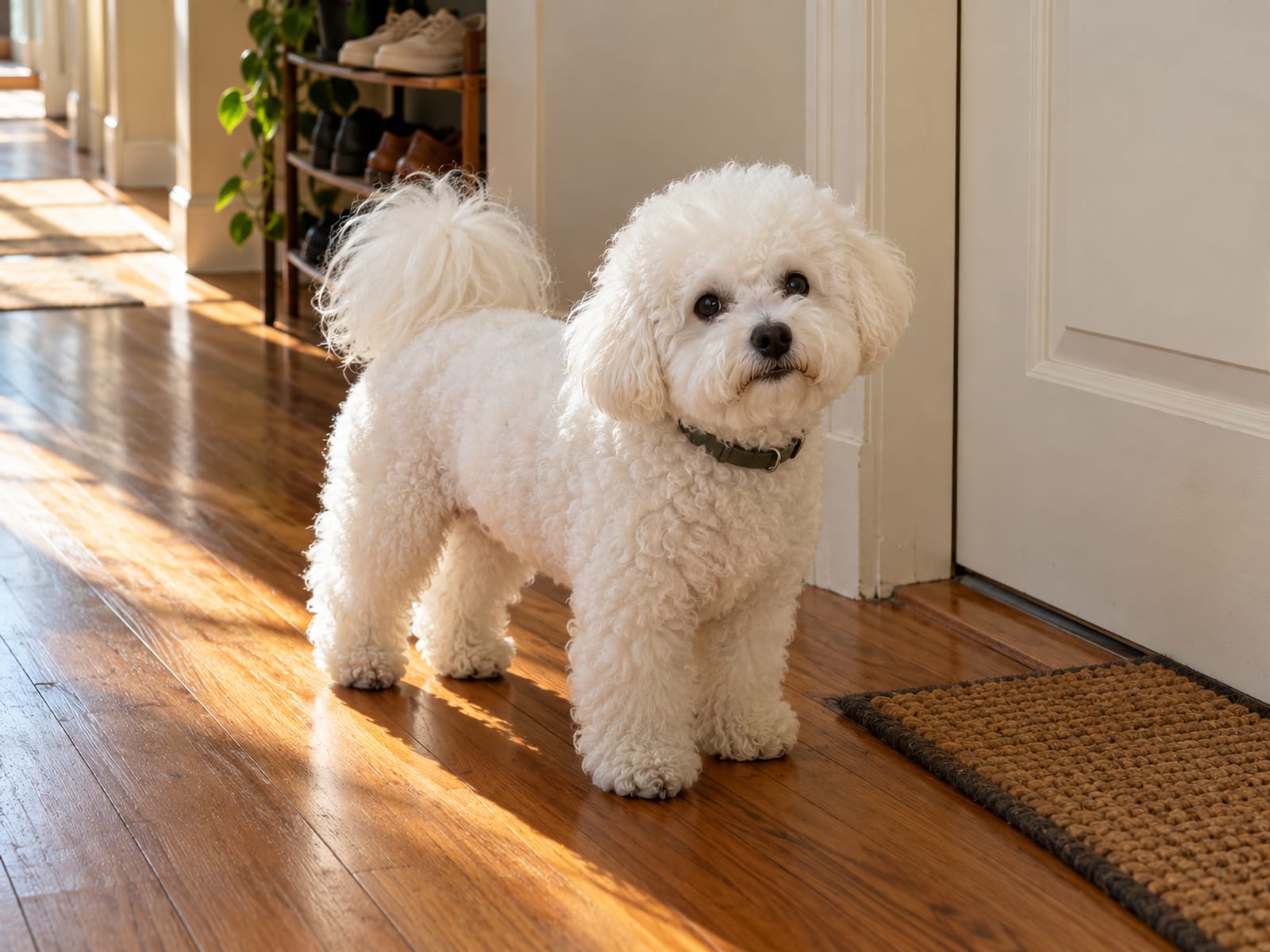
Bichons stand 9.5 to 11.5 inches, weigh 12 to 18 pounds and live about 14 to 15 years. The curly, textured coat leaves little visible loose hair, and it asks for frequent brushing and regular professional trimming because neglect leads to matting. No dog is completely allergen-free, so anyone with allergies can spend time with the specific dog first.
The breed is cheerful, sociable, intelligent and playful, and it generally responds well to training. It's energetic and mentally engaged for its size, so daily walks and play sessions keep it settled at home. Bichons can alert-bark or bark for attention, and training and management matter in a shared building.
They're companion-oriented, which makes a full workday alone a poor routine without a plan. Breed health resources from the Bichon Frise Club of America cover allergies and skin disease, dental disease, patellar luxation, bladder stones and eye problems.
A Bichon suits a household that can groom regularly, offer company and walk daily. It's a harder fit if you want a wash-and-wear coat or a dog that can routinely be ignored during the workday.
3. Havanese
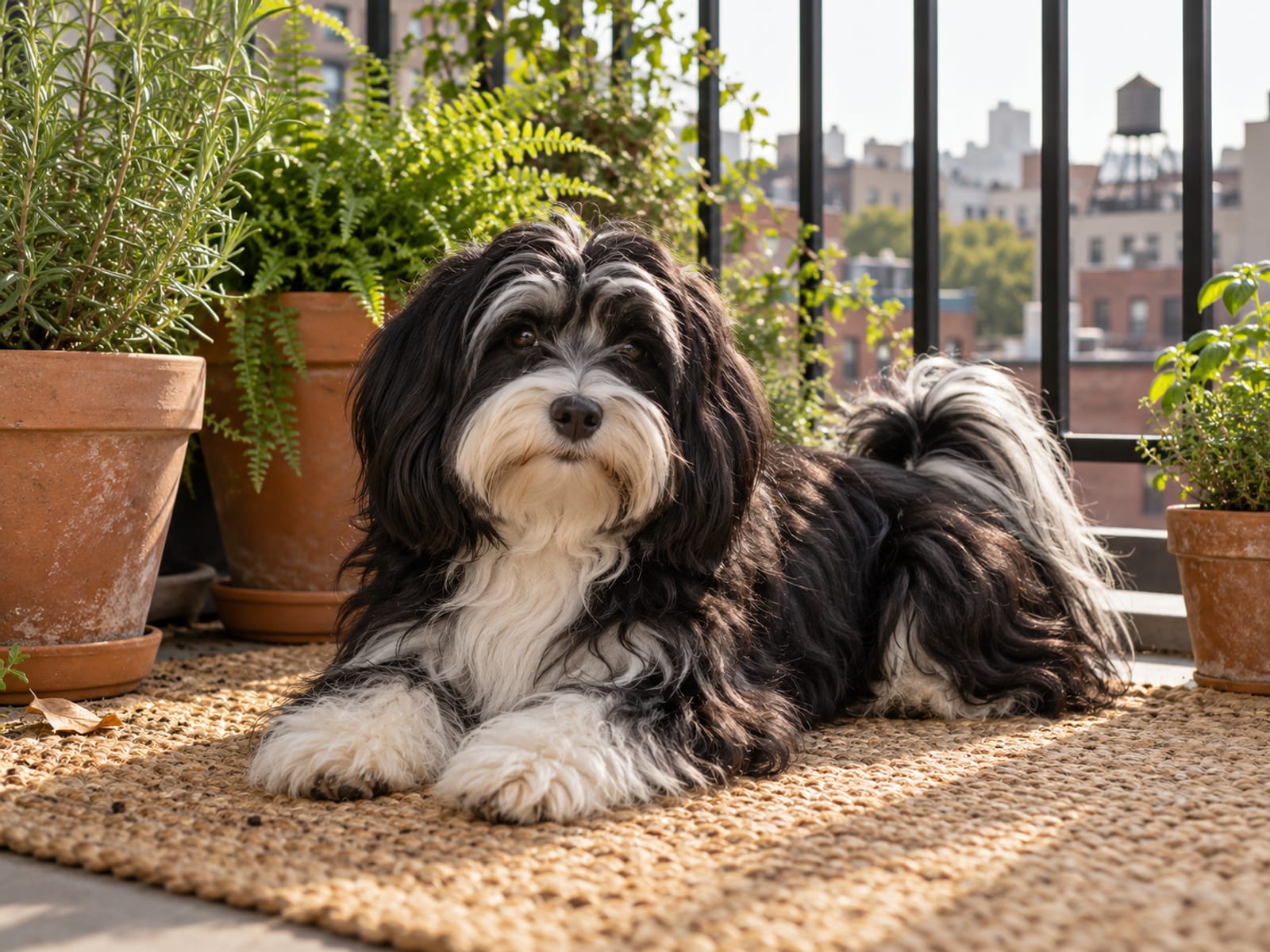
Havanese stand about 8.5 to 11.5 inches, weigh roughly 7 to 13 pounds and live about 14 to 16 years. The long, soft, silky or wavy coat sheds little visible hair. A shorter pet trim is easier to manage, and brushing and coat upkeep stay on the schedule either way.
Cheerful, sociable, affectionate and intelligent, Havanese adapt well to daily walks, play and mental activity. They may alert-bark and can become vocal when bored or isolated. Strong attachment to people makes long absences a poor routine without support, so line up a midday visit before you bring one home.
Breed health organizations such as the Havanese Club of America address patellar luxation, hip disease, eye disease, Legg-Calvé-Perthes disease and deafness. Havanese are generally good with children and other dogs when socialized, and small children and every introduction need supervision.
A Havanese suits people who are home often, enjoy brushing and want a social small dog. It's a harder fit for anyone who wants a very independent or low-grooming dog.
4. Maltese
The Maltese is among the smallest here: 7 to 9 inches tall, under 7 pounds and about 12 to 15 years. The long, silky single coat shows little loose hair. It still calls for frequent brushing, regular bathing and trimming, eye-area care and daily tooth care. Daily dental care is the practical point that matters most, because toy breeds are prone to dental disease.
Short walks and indoor play can meet many adults' physical needs, and daily activity and training still count. Maltese are affectionate, lively and intelligent, and they can be sensitive or stubborn. They can also be vocal when alerting or seeking attention, so barking management belongs in the plan.
Long routine absences are a poor fit without a midday visit or sitter. Health topics from the American Maltese Association include dental disease, patellar luxation, eye problems, hypoglycemia in puppies and tracheal or respiratory issues.
A Maltese suits a small-space household that can manage grooming, dental care, barking training and steady companionship. Because of its tiny size, it fits best with respectful older children rather than households with very young ones.
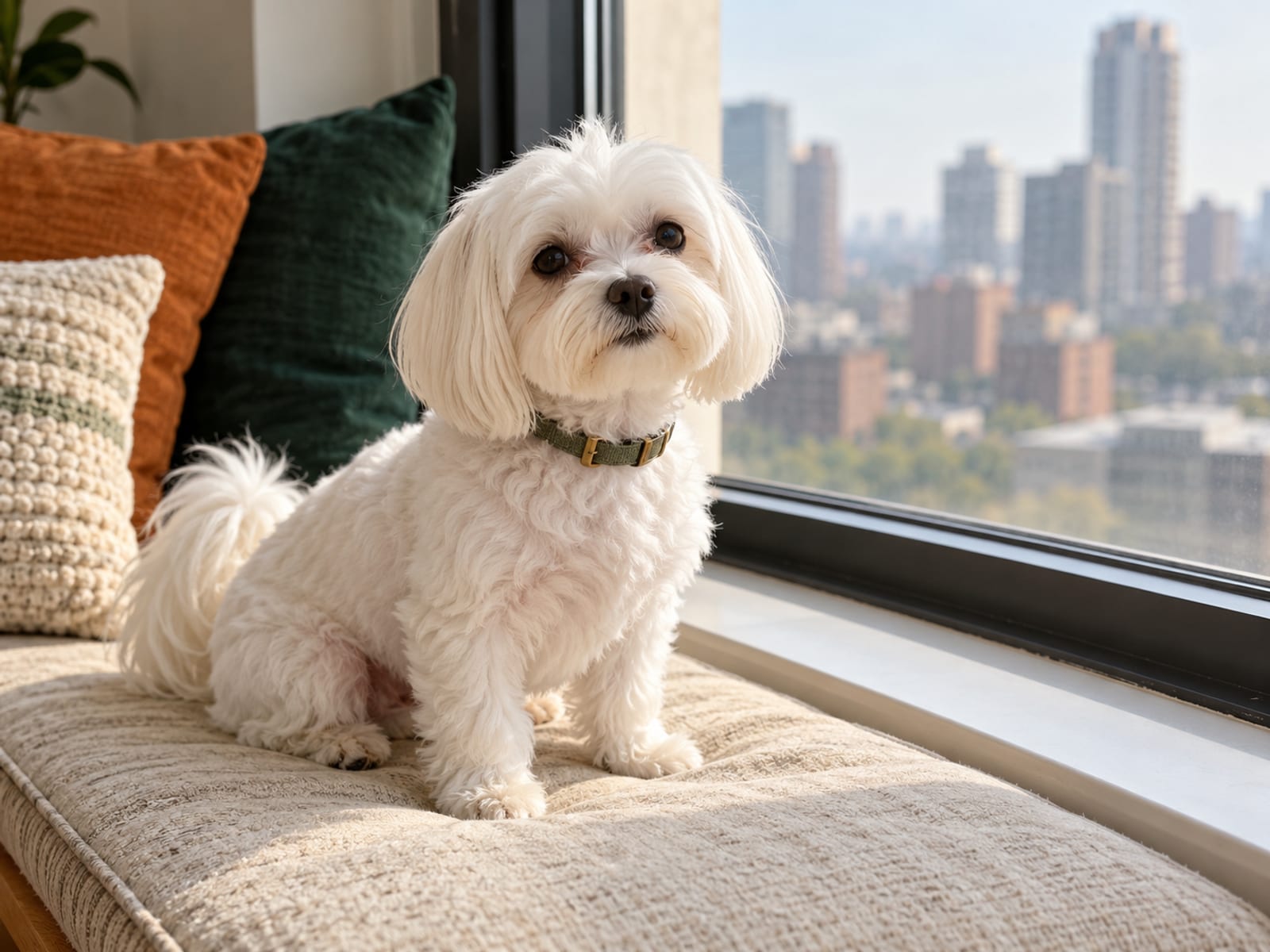
5. Shih Tzu
Shih Tzus stand 9 to 10.5 inches, weigh 9 to 16 pounds and live 10 to 18 years. The long, dense, flowing coat sheds little visible hair and needs frequent brushing or a regular professional puppy trim, plus eye, ear, skin-fold and dental care. A shorter trim makes daily care easier, and professional grooming stays on the calendar.
Short daily walks and indoor play often meet an adult's exercise needs, subject to the individual dog's health. Shih Tzus are affectionate, outgoing and playful, and they're sometimes independent or slow to house-train, so plan on patient, reward-based training. Barking varies, and some dogs alert-bark at hallway or window activity.
As a short-faced breed, the Shih Tzu is prone to airway disease, eye injury, patellar luxation, hip disease, dental crowding and heat intolerance, which the American Shih Tzu Club covers. Protect it from heat and breathing strain.
A Shih Tzu is a strong small-space fit when grooming, heat management and daily outings are in place. Long daily isolation is a poor fit for a companion dog like this one.
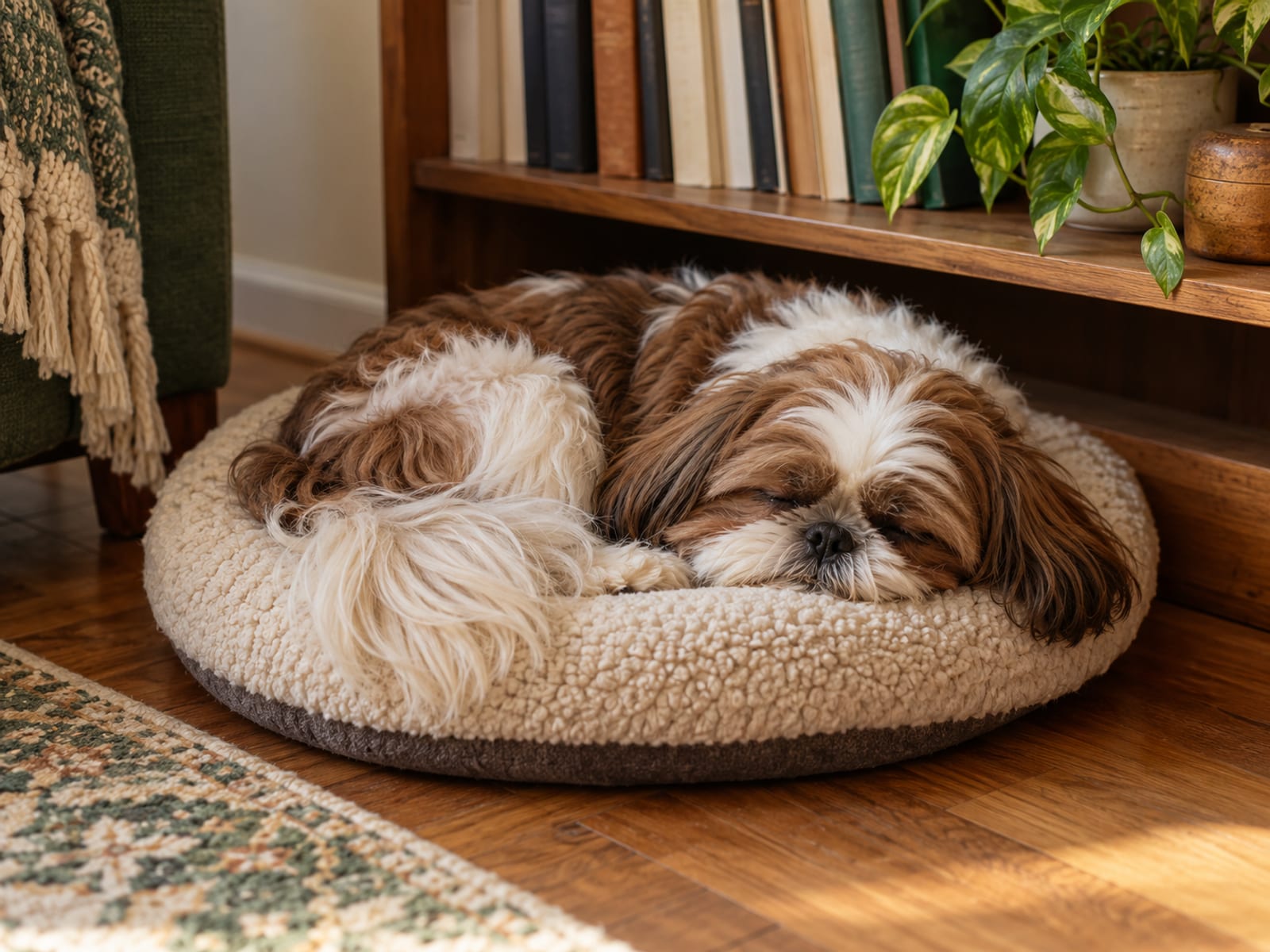
6. Pug
Pugs stand about 10 to 13 inches, weigh 14 to 18 pounds and live about 13 to 15 years. The short, smooth double coat sheds moderately to heavily, so brushing matters, along with wrinkle and skin-fold care, nail care and close weight control. Pugs are very food-oriented and gain weight if they overeat.
Exercise is moderate: daily walks and play, with strenuous activity avoided in hot or humid weather. Pugs are affectionate, even-tempered, playful and generally willing to please, and harsh methods are unsuitable for them. They aren't usually nonstop barkers, though they may alert and make snoring and other flat-faced sounds.
Low exercise demand comes with high care demand, because breathing, heat, weight and skin-fold management run through the whole routine. The Pug Dog Club of America covers airway disease, eye injuries, skin-fold disease, obesity and orthopedic problems. Pugs are often unhappy when regularly left alone for long periods.
A Pug suits a household with reliable air conditioning, a steady feeding routine and company during the day. Hot-climate homes without cooling and runners looking for an endurance partner will be happier with another breed.
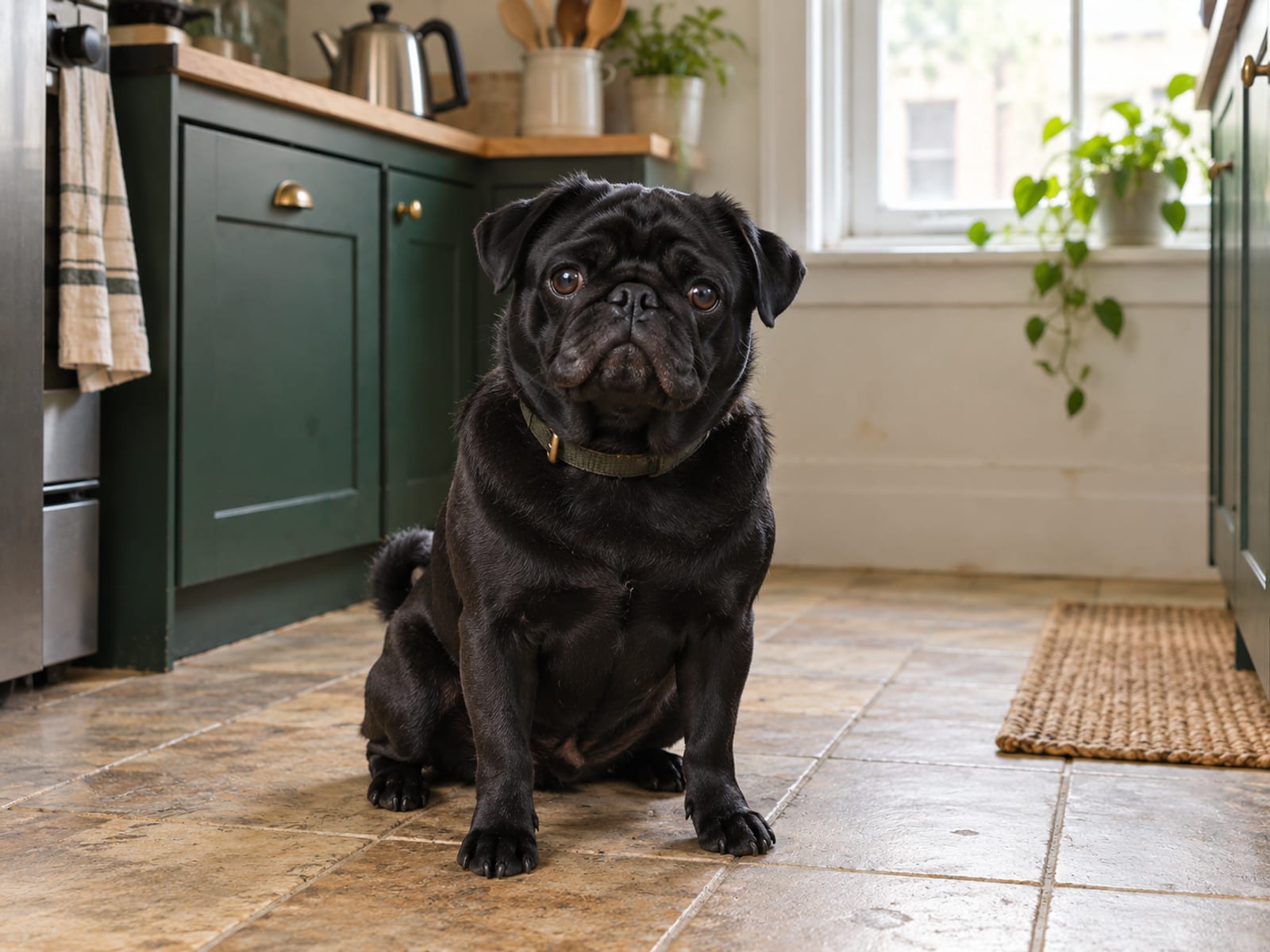
7. French Bulldog
French Bulldogs stand about 11 to 13 inches, weigh under 28 pounds and live about 10 to 12 years. The short, smooth coat sheds regularly and needs little brushing, and wrinkle, ear, nail, dental and skin care fill the grooming list. A short walk or outdoor play session each day gives modest exercise, and heat and strenuous exertion are best avoided.
Frenchies are playful, alert, adaptable and affectionate, and they can be stubborn in training. They tend to be relatively quiet, and alertness can still produce barking and other vocal sounds. They're highly people-oriented, so plan a midday break rather than a long workday alone.
The compact body and low exercise requirement come with unusually important heat and airway precautions. The French Bulldog Club of America covers airway disease, heat intolerance, spinal and vertebral problems, skin disease, allergies, eye disease and reproductive complications. Flat-faced dogs may need adjusted exercise and extra veterinary care.
A French Bulldog suits many city households when climate control, weight, breathing and veterinary costs are manageable. It's a harder fit if you want a jogging partner, live without heat control or can't plan for potentially significant veterinary care.
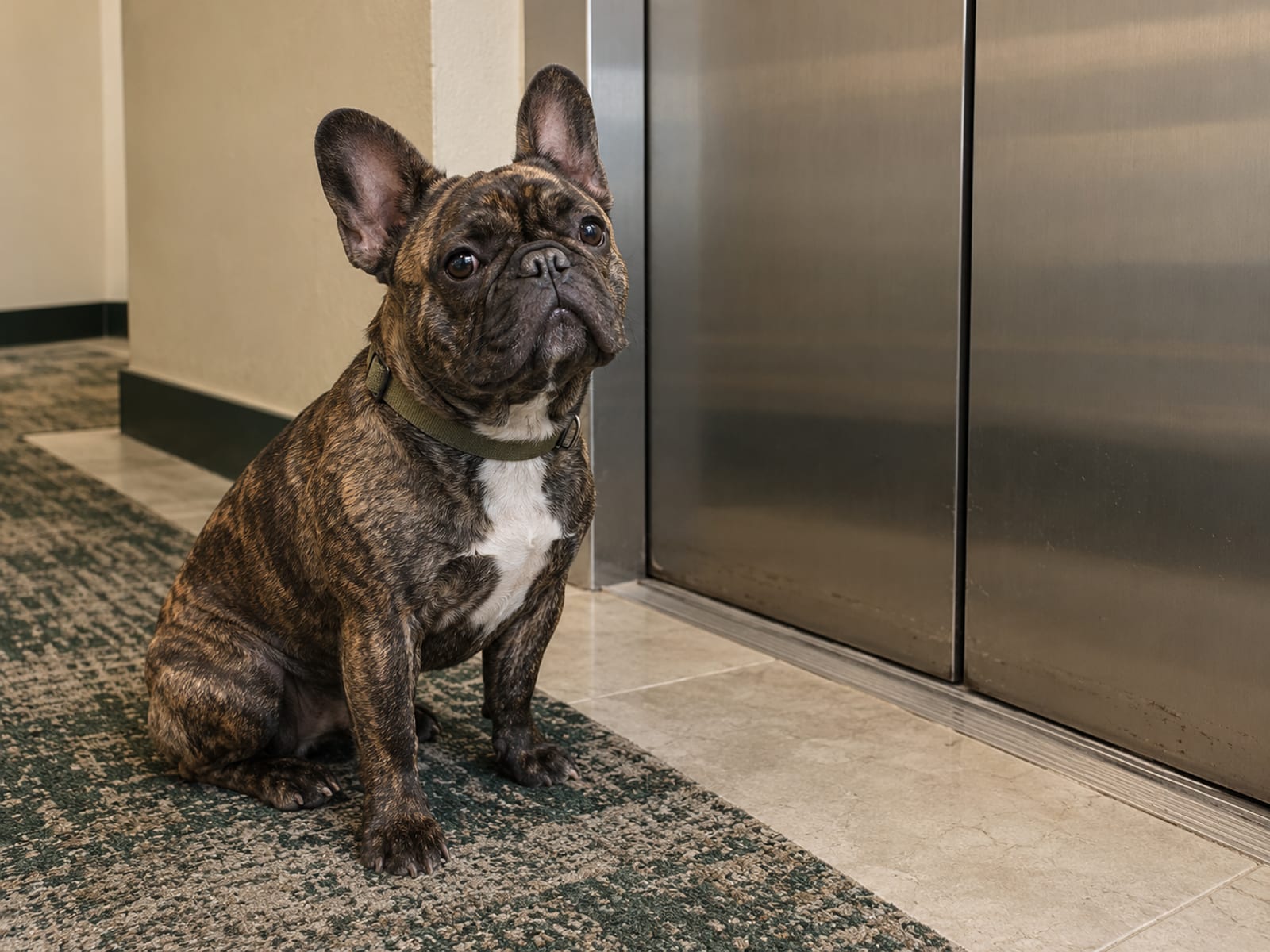
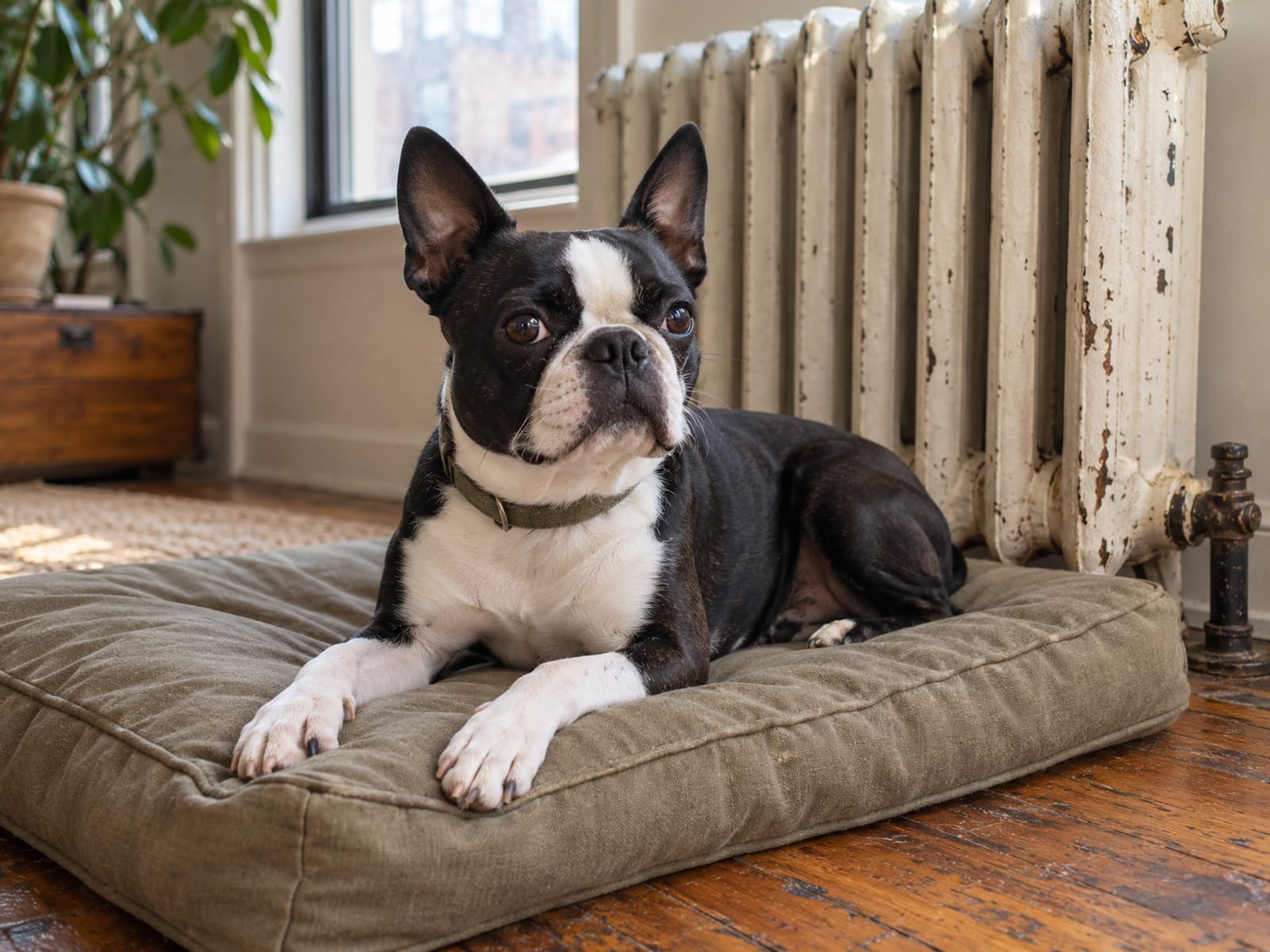
8. Boston Terrier
Boston Terriers are compact, with weight classes topping out at 25 pounds, a height of about 15 to 17 inches and a lifespan of about 11 to 13 years. The short, smooth coat sheds lightly and regularly, and routine nail, dental, ear and skin care covers the rest.
Activity needs vary a lot between individuals. Some adults do well with one or two brisk walks, while others need extra running and play, so an adult dog's established routine is useful information when you choose. Boston Terriers are lively, intelligent, sensitive and affectionate, and they respond best to gentle training. They may alert-bark, and they're not generally selected for nonstop vocal work.
Like other flat-faced breeds, they carry risks of airway disease, eye injuries, patellar luxation, allergies, hemivertebrae and heat intolerance, listed by the Boston Terrier Club of America. They can become frustrated and develop unwanted habits when left alone for long periods.
A Boston Terrier suits an active household that can provide walks and play without a yard, with proper introductions and supervision around children. It's a harder fit for anyone who needs a dog that can stay alone through a full workday without a break.
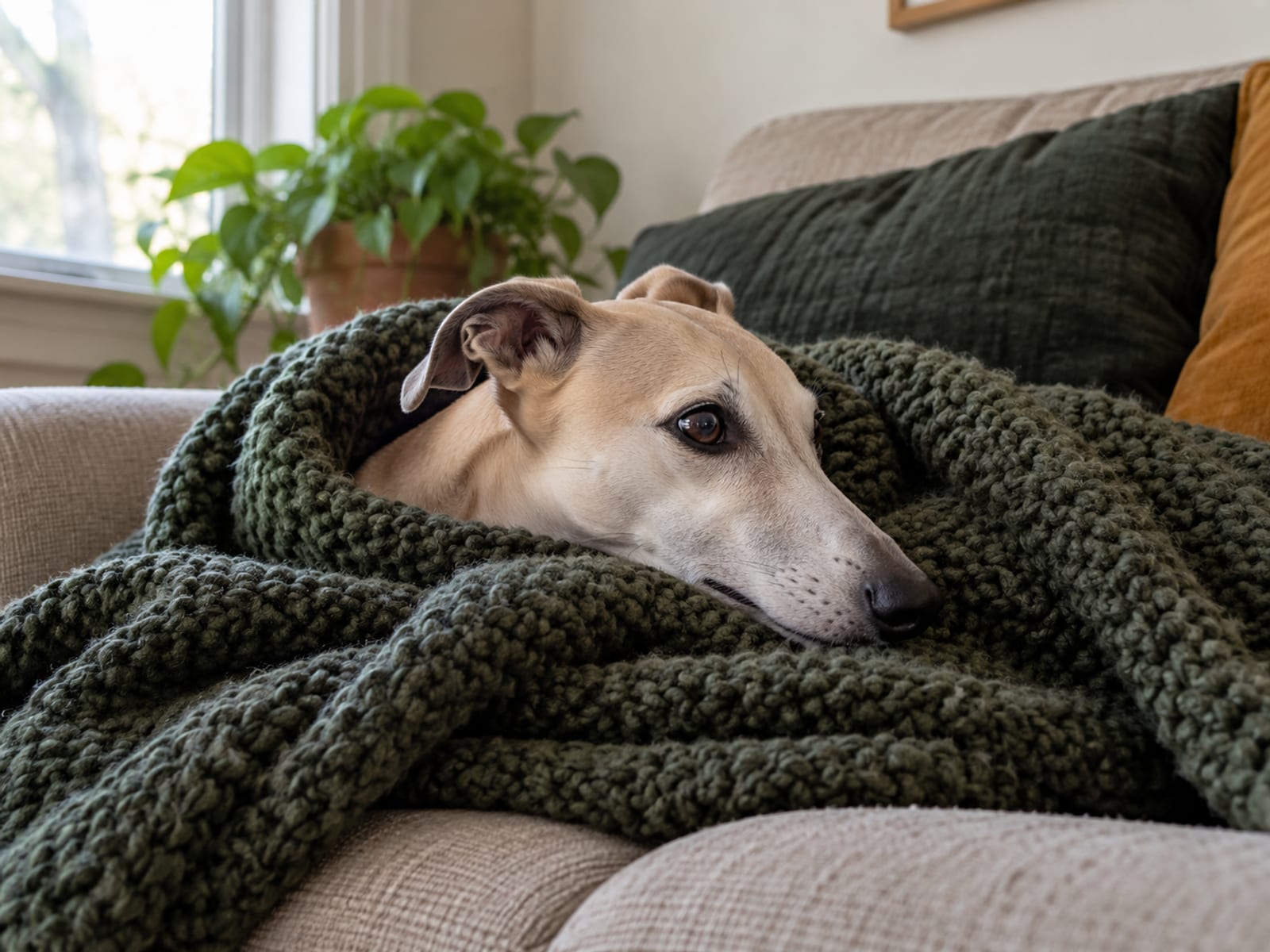
9. Whippet
Whippets are the medium-sized breed here, and they show that size alone doesn't decide apartment fit: males stand 19 to 22 inches and females 18 to 21 inches, at 25 to 40 pounds, and they live 12 to 15 years. The short, smooth coat takes weekly brushing, occasional baths and regular nail care, and Whippets need protection from cold. They're calm indoors, rarely bark and are affectionate, gentle and intelligent, though young dogs can be mischievous and impulsive.
Their exercise comes in bursts: regular walks plus vigorous running, retrieving or play in a securely fenced area several times a week. They can't safely run off leash in unsecured areas. Prey drive calls for caution around cats, rabbits and other small animals.
Whippets often form strong bonds, so alone-time training should be gradual. The American Whippet Club covers cardiac disease, eye disease, deafness, orthopedic injury and injuries from high-speed running.
A Whippet suits an apartment household that can offer regular fast exercise in a secure place and quiet company at home. It's a harder fit for homes unable to provide vigorous exercise or that keep small prey animals without careful management.
Tap or hover a row to highlight it.
| Breed | Weight | Lifespan | Coat and shedding | Exercise |
|---|---|---|---|---|
| BreedCavalier King Charles Spaniel | Weight13 to 18 lb | Lifespan12 to 15 years | Coat and sheddingSilky coat; regular shedding | ExerciseModerate |
| BreedBichon Frise | Weight12 to 18 lb | LifespanAbout 14 to 15 years | Coat and sheddingCurly coat; low visible shedding, frequent brushing | ExerciseDaily walks and play |
| BreedHavanese | WeightAbout 7 to 13 lb | LifespanAbout 14 to 16 years | Coat and sheddingLong silky coat; low to moderate visible shedding | ExerciseDaily walks and play |
| BreedMaltese | WeightUnder 7 lb | LifespanAbout 12 to 15 years | Coat and sheddingLong single coat; low visible shedding | ExerciseShort walks and indoor play |
| BreedShih Tzu | Weight9 to 16 lb | Lifespan10 to 18 years | Coat and sheddingLong dense coat; low visible shedding | ExerciseShort daily walks and indoor play |
| BreedPug | Weight14 to 18 lb | LifespanAbout 13 to 15 years | Coat and sheddingShort double coat; moderate to heavy shedding | ExerciseModerate; avoid heat |
| BreedFrench Bulldog | WeightUnder 28 lb | LifespanAbout 10 to 12 years | Coat and sheddingShort coat; regular shedding | ExerciseModest; avoid heat |
| BreedBoston Terrier | Weight25 lb or less | LifespanAbout 11 to 13 years | Coat and sheddingShort coat; light regular shedding | ExerciseOne or two brisk walks to extra play |
| BreedWhippet | Weight25 to 40 lb | Lifespan12 to 15 years | Coat and sheddingShort coat; light to moderate shedding | ExerciseWalks plus fast running |
How to handle a workday away from your dog
A dog's tolerance for being alone depends on age, health, past experience, training and temperament. Welfare guidance such as Blue Cross's home-alone advice commonly keeps routine absences to about four hours at a time, unless the individual dog has been carefully assessed and the day includes human contact, toilet access, exercise and enrichment. For an eight- to ten-hour day, AKC recommends a dog walker or a neighbor's visit.
Workday options include:
- A midday walker, sitter or trusted family member.
- Daycare, when the dog enjoys group care and the facility suits it.
- Splitting the day between home, office and another caregiver.
- Building alone time gradually instead of starting with a full workday.
- A camera to watch for barking, pacing, panting or destruction.
Video is one of the most accurate ways to identify separation anxiety, and dogs with it often show distress within the first 10 to 30 minutes. Punishing a dog after you return doesn't treat the anxiety. If a dog panics when left, a veterinarian or veterinary behavior professional can help, and separation anxiety signs and what helps is a place to start.
Barking and exercise without a yard
Start by finding the trigger. Apartment barking can come from sights and sounds outside, territorial behavior, boredom, frustration, fear or separation distress. Helpful steps include:
- Block views of hallways, streets and neighboring windows with curtains, privacy film or furniture placement.
- Teach a quiet cue with rewards, and reward calm behavior before barking begins.
- Pair a recurring trigger with something positive at a distance the dog can handle.
- Use background sound to soften sudden noises.
- Record the dog while you're away to find hidden barking.
Avoid punishing fear-based barking or using aversive equipment, as AVSAB advises against aversive training, and talk to a veterinarian or qualified behavior professional about persistent barking. The AKC's barking guidance and the UC Davis veterinary school's barking handout go deeper.
A yard isn't required, and daily physical and mental activity still is. Neighborhood and sniffing walks, indoor trick training, food puzzles, scent games, hide-and-seek, dog sports, secure dog parks and trails all count. Match the amount and intensity to the dog's age, health and temperament.
Stairs, elevators and shared hallways
Stairs work for many dogs, and repeated use can be hard on dogs with orthopedic disease, very short legs, flat-faced breathing problems or poor conditioning. Puppies, seniors and dogs with mobility or breathing issues may need an elevator, a ramp or a plan for carrying. Ask your veterinarian to assess the individual dog's mobility, breathing and age against your building's access.
AKC advises thinking about a dog's behavior in elevators, stairs and lobbies, since those shared spaces are where neighbors meet your dog. Practice calm greetings and leash manners there early. For more compact options, see the small dog breeds and the low-maintenance dog breeds.
Building rules to check before you commit
Pet rules differ by property, city, state and housing type, so get the complete written pet policy before you apply or sign. Confirm these points:
- The dog's adult weight, breed or mix description, and whether the building uses an insurance-based restricted-breed list.
- Every recurring and one-time charge, including pet rent, deposits and fees.
- Required records, such as vaccination and licensing documents, and whether approval has to be renewed.
- Limits on the number of pets, plus rules for elevators, common areas, balconies and noise.
- Whether condominium or homeowners-association rules apply on top of your lease.
HUD says ordinary pet policies may include pet deposits, monthly pet rent and other rules. Under the Fair Housing Act, a person with a disability may request a reasonable accommodation for an assistance animal, and HUD's assistance animal guidance explains that assistance animals are treated differently from pets. Ask the landlord or housing provider how to start that request, and get any agreement about your dog written into your lease.
Questions apartment dog owners ask
These answers cover the searches people make most when they're planning an apartment dog.
What is the best dog breed to keep in an apartment?
The best breed is the one whose exercise needs, barking tendency and company needs fit your schedule and your building's rules. Cavaliers, Bichons, Havanese, Shih Tzus, Pugs, French Bulldogs, Boston Terriers and Whippets can fit different apartments, each with its own tradeoffs. See the dog breeds hub for more profiles.
What is the calmest dog breed for an apartment?
Whippets are a strong candidate for calm indoor behavior and low barking when they get regular exercise and safe places to run. Some Cavaliers and Shih Tzus also settle well indoors, and both are highly companion-oriented. Calm indoors goes with a plan for company, not long isolation.
Which dogs can be left alone during the day?
Pick a dog whose individual history shows comfort with alone time, and still plan a midday walker, sitter, family member or carefully chosen daycare. Adult dogs vary widely. Use a camera to see how yours handles the hours you're away.
What dog can be left alone for 8 hours?
Some adult dogs handle a particular eight-hour absence, and routine eight-hour isolation can create toilet, exercise, social, barking and separation-anxiety problems. Build in a midday break and check in by camera.
Which dog suffers least from separation anxiety?
Separation anxiety depends on the individual dog's early experiences, attachment, health, environment and training, and it appears across breeds. A shelter or foster program can tell you how an adult dog behaves when alone, so ask for that history before you adopt.
What dog breeds do landlords not like?
Restrictions vary by property and location. Landlords, insurers and building associations commonly set breed or mix restrictions and weight or size limits, so ask for the written policy and any insurance requirements before choosing a dog.
What is the cleanest house dog?
"Cleanest" can mean low odor, low shedding, easy house-training, little drooling or minimal grooming. Maltese, Bichon Frises and Shih Tzus may leave less loose hair than many breeds, and they need regular coat care. Pugs and French Bulldogs have short coats, shed and may drool or carry more household odor, and Whippets have low-maintenance coats and still shed and need routine cleaning. For more, see the breeds that shed less.
What is the calmest and most obedient dog?
Whippets are often calm indoors and quiet but need secure exercise and have a chase instinct. Cavaliers are usually adaptable and easy to train, and they need a lot of company. Obedience grows from the individual dog, socialization, training and routine.
What is the 3-3-3 rule with dogs?
The 3-3-3 rule is a guide for a newly adopted dog: about three days to decompress, three weeks to start learning the routine and three months to feel secure and settled, as described in handouts from Santa Barbara Humane and Pasadena Humane. Each dog adapts at its own pace, so use it as a loose guide.
Where to go from here
If you will be out at work all day, our low-maintenance dog breeds list is a good next read. Woof Wag Nation has more breed guides in the dog breeds library, and the free Woof Wag Nation newsletter sends one practical dog guide each week.
Sources
- AKC, Best Dogs for Apartment Dwellers
- AKC, Best Dog Breeds for Apartments
- AKC, Preparing a Dog for Apartment Downsizing
- AKC, Cavalier King Charles Spaniel
- AKC, Bichon Frise
- AKC, Havanese
- AKC, Maltese
- AKC, Shih Tzu
- AKC, Pug
- AKC, Is the Pug Right for You
- AKC, French Bulldog
- AKC, Boston Terrier
- AKC, Whippet
- Cavalier King Charles Spaniel Club, Health
- Bichon Frise Club of America, Health
- Havanese Club of America, Health
- American Maltese Association, Health
- American Shih Tzu Club, Health
- Pug Dog Club of America, Health
- French Bulldog Club of America, Health
- Boston Terrier Club of America, Health
- American Whippet Club, Health
- AAAAI, Pet Allergy
- VCA, Behavior Management and Pet Selection Guidelines
- Blue Cross, Home Alone and Separation Anxiety
- AKC, Alone Time for Dogs
- AVSAB, Separation Anxiety
- AVSAB, Humane Dog Training Position Statement
- AKC, How to Stop a Dog from Barking
- UC Davis School of Veterinary Medicine, The Barking Dog
- HUD, Housing Choice Voucher Tenants
- HUD, Assistance Animals
- Santa Barbara Humane, Adoption Packet (3-3-3 guide)
- Pasadena Humane, 3-3-3 Rule Handout