

Coat and care
10 Dog Breeds for People With Allergies, and How to Live Well With One
Poodles, Bichons, Schnauzers and seven more breeds people with allergies often consider, with size, coat and care facts and how to test your reaction.
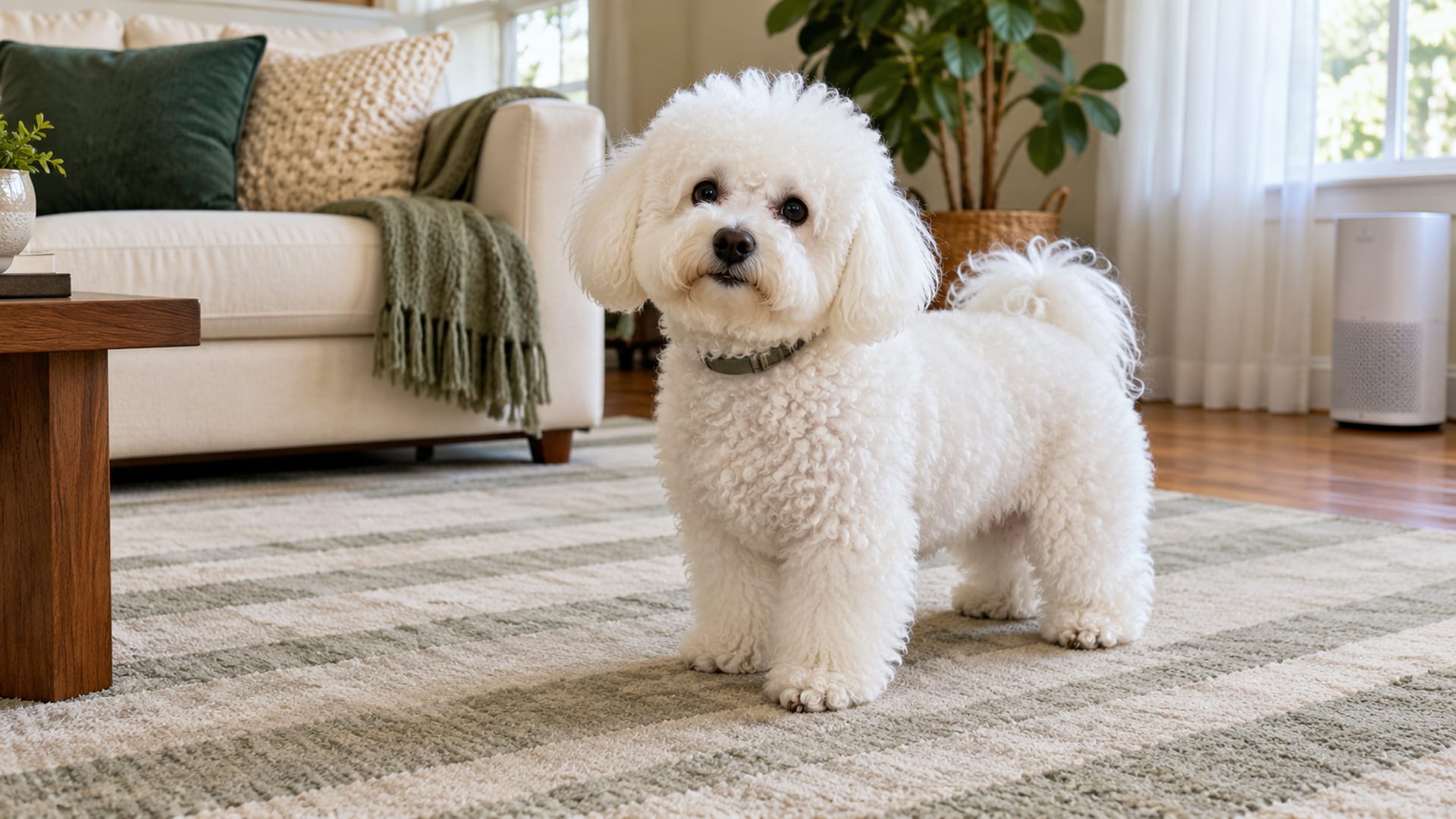
Poodles, Bichon Frises, Miniature Schnauzers, Portuguese Water Dogs and Maltese are among the low-shedding breeds AKC commonly suggests for people with allergies, and the best way to test your own reaction is to see an allergist, then spend several hours with the specific dog before you commit.
Key takeaways
Tap a card to bring it forward.
- Poodle, Bichon Frise, Miniature Schnauzer, Portuguese Water Dog, Maltese, Havanese, Shih Tzu, Soft Coated Wheaten Terrier, Chinese Crested and Lagotto Romagnolo are the ten breeds covered here.
- See an allergist for skin-prick or blood testing before you choose a dog.
- Spend several hours with the specific dog, more than once, indoors.
- Keep the dog out of the allergic person's bedroom and run a HEPA air cleaner there.
- Pick the breed by coat care, exercise and size as well as shedding.
Dog allergies are reactions to proteins, not to hair itself. The main allergen, Can f 1, is found in dander, skin flakes and saliva, and allergens also turn up in urine. Every dog makes these proteins, so a low-shedding coat mostly means less loose hair around your home.
The ten breeds below range from tiny lapdogs to athletic water dogs, with curly, silky, wiry and hairless coats. That gives you real choices about size, grooming time and energy, which matter every day once the dog is home.
What helps a dog suit people with allergies
Low-shedding coats like these, which the AKC commonly suggests for people who want lower-shedding coats, come on toy, small, medium and larger dogs, from companion, terrier, sporting and working backgrounds. For more breeds with this kind of coat, see our guide to dog breeds that don't shed.
Two points shape how you read any list like this. Studies of household dust found no difference in home Can f 1 levels between homes with so-called hypoallergenic dogs and other homes, and a second study found higher Can f 1 in the hair and coat samples of breeds marketed that way. Differences between breeds were small compared with the differences between individual dogs. So your own reaction to one particular dog tells you more than the breed name does.
Poodle mixes vary as well. Coat and shedding traits in a cross can land anywhere between the parents, so a mix deserves the same hours of testing as any other dog.
1. Poodle
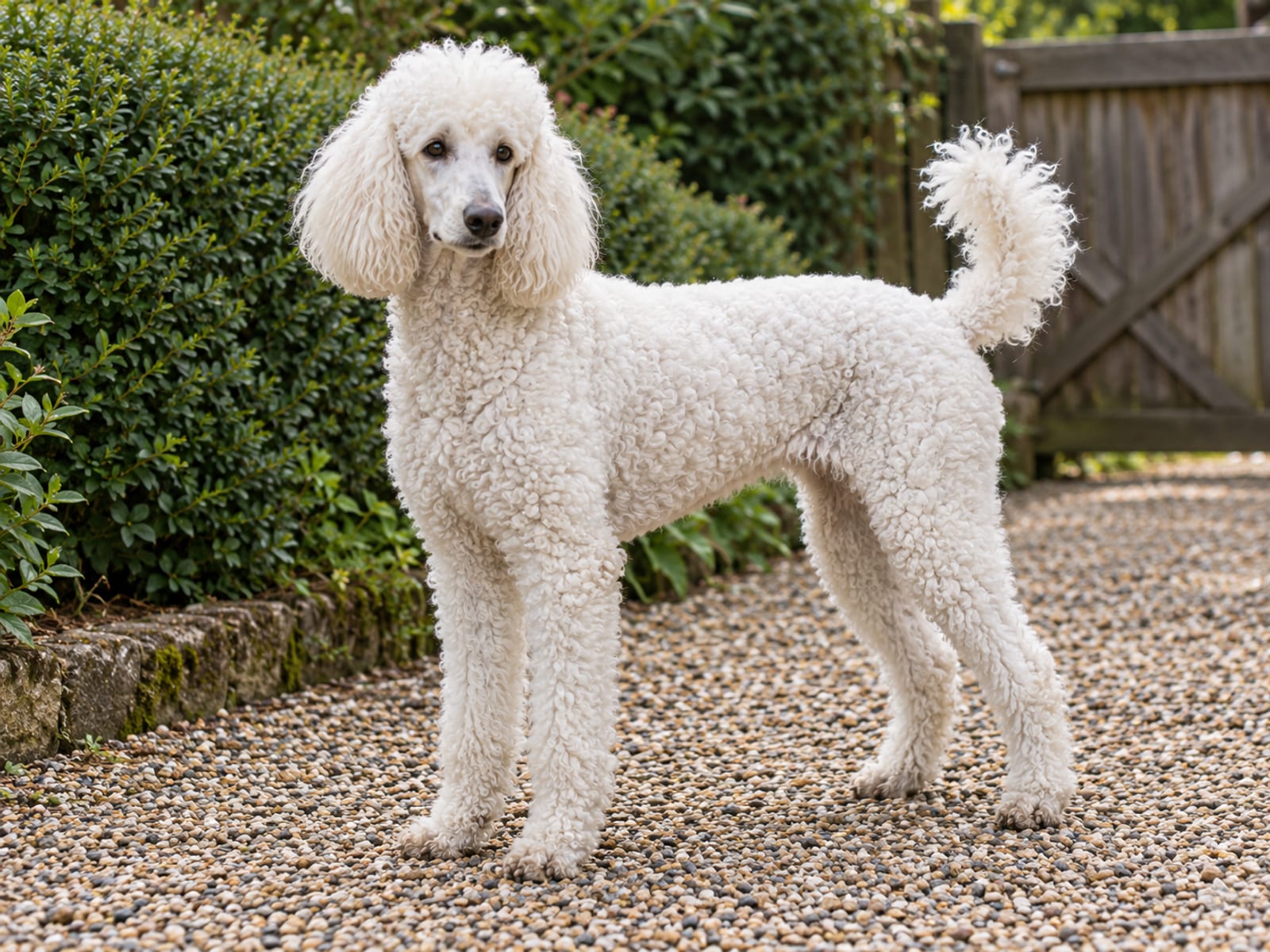
Poodles come in three sizes. The Toy stands up to 10 inches and weighs about 4 to 6 pounds, the Miniature stands over 10 and up to 15 inches at about 10 to 15 pounds, and the Standard is over 15 inches and weighs about 40 to 70 pounds. Life expectancy runs about 10 to 18 years.
The curly coat sheds very little but mats easily, so plan on thorough brushing and regular professional grooming. Poodles are highly intelligent, usually very trainable and need daily physical and mental exercise. They tend to be alert and vocal, and social individuals struggle with long hours alone.
The practical point is the choice of three sizes with three different exercise profiles. A Miniature can fit an apartment, while a Standard needs more room and activity. If you want a low-maintenance coat or a sedentary dog, another breed will fit better. Ask breeders about screening for progressive retinal atrophy, hip dysplasia and other breed-linked conditions.
2. Bichon Frise
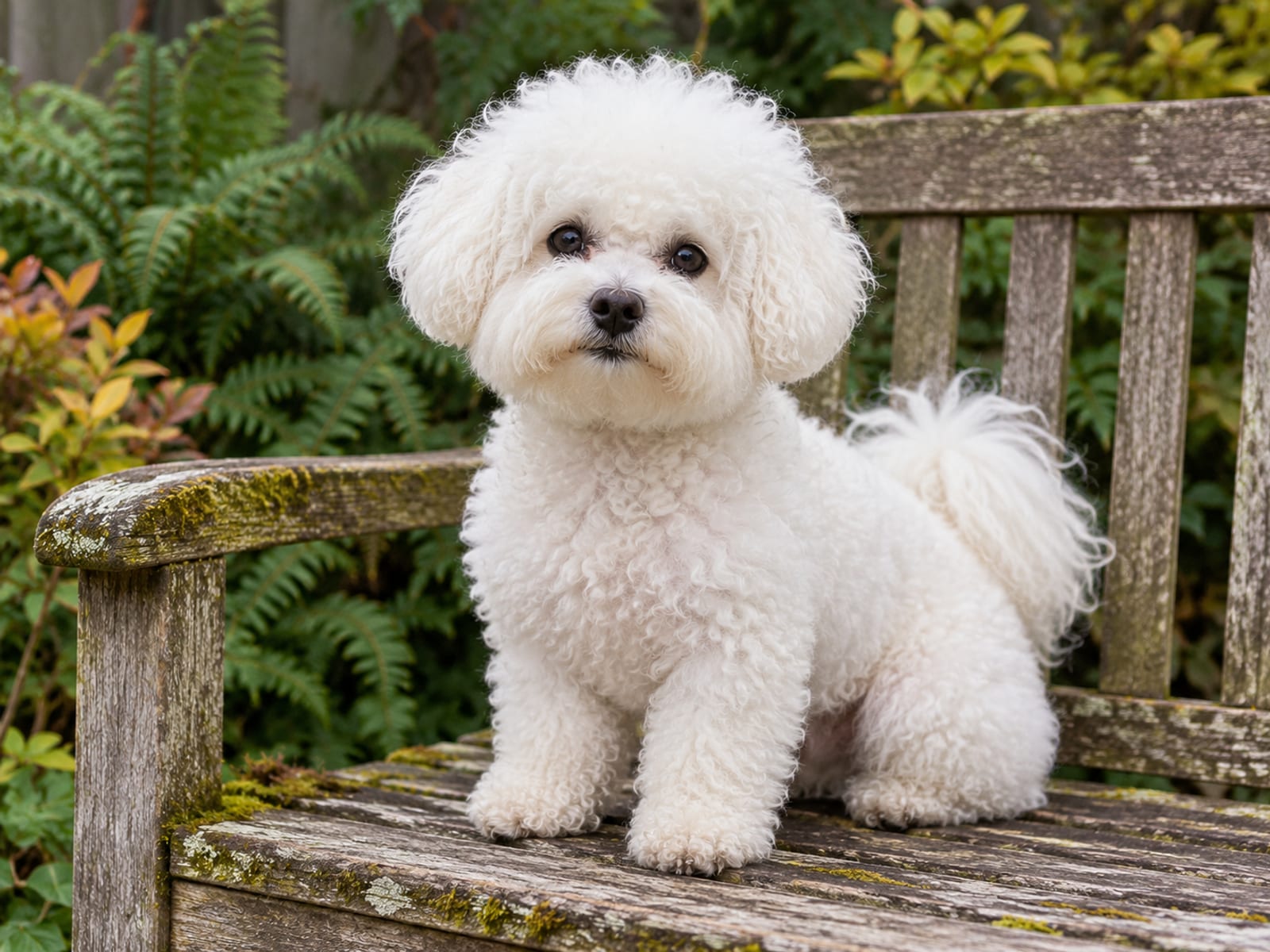
The Bichon Frise stands 9.5 to 11.5 inches and weighs 12 to 18 pounds, and it lives 14 to 15 years. The curly double coat holds on to loose hairs, so visible shedding stays low.
That detail drives the routine. Brush at least two or three times a week, and daily is better, because brushing removes the hair that would otherwise end up on your floor. Plan on a clip about every four to six weeks.
Bichons are playful, curious and generally easy to train with rewards. They need walks and play rather than strenuous work. They are social and family-oriented, may bark when alert, and do poorly with regular long stretches alone. A Bichon fits an apartment, and it suits a household with time for grooming and company. Named health concerns include patellar luxation, eye disease, dental disease and skin allergies. For more affectionate small dogs, see our companion dog breeds.
3. Miniature Schnauzer
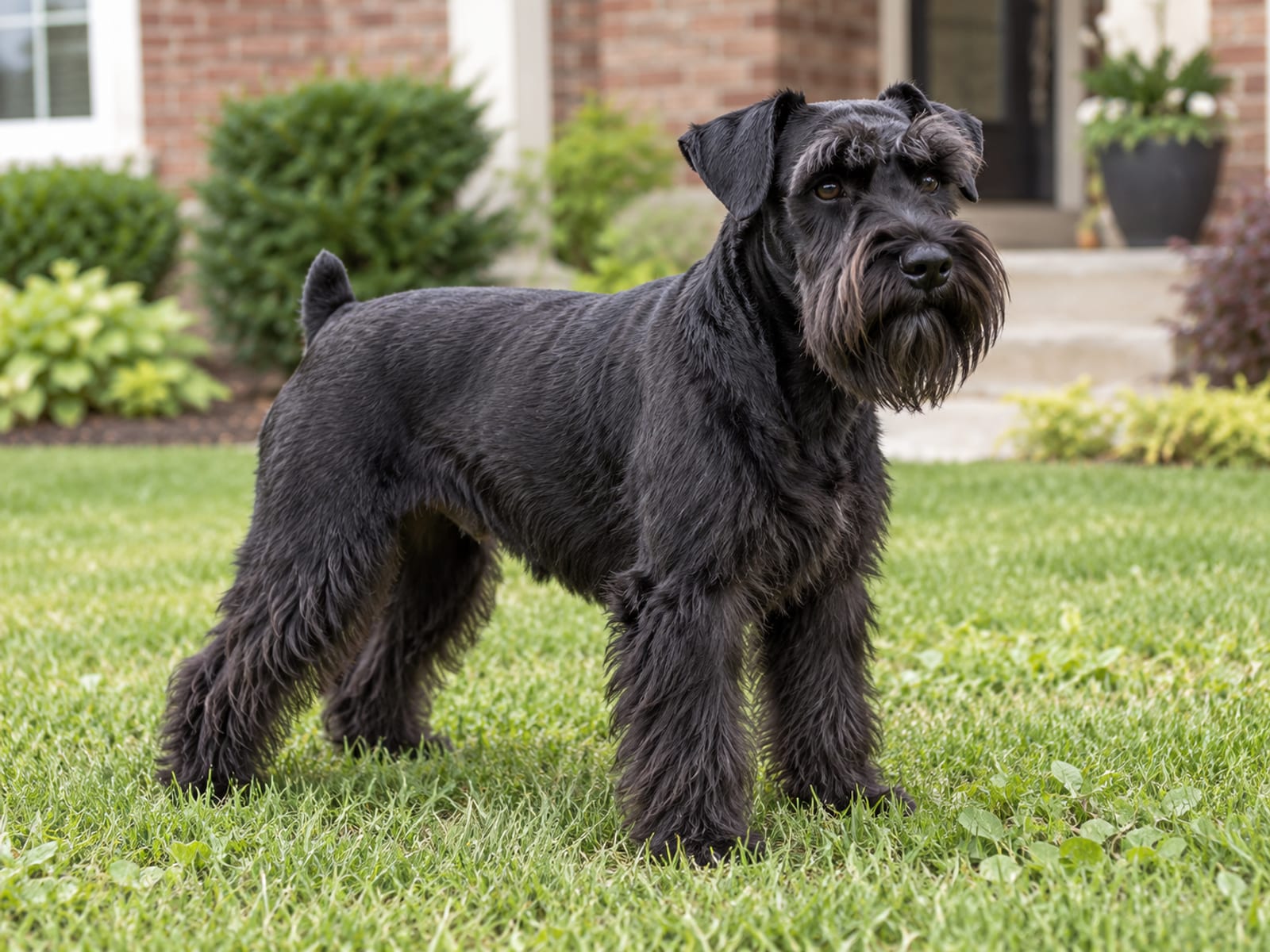
The Miniature Schnauzer stands 12 to 14 inches, weighs 11 to 20 pounds and lives 12 to 15 years. The wiry topcoat over a softer undercoat sheds little, and it needs frequent brushing and combing plus clipping or hand-stripping on a regular schedule.
These dogs are smart, lively and alert, with a watchdog and vermin-hunting background. Expect more barking than you get from a lapdog, and teach the dog early to settle when you leave. Daily walks, play and training games keep one content.
The distinctive point is a compact apartment-friendly body with a strong watchdog streak. Many fit family life well, though terrier prey drive can affect small pets. It suits people who enjoy training and want an alert small dog. If you want a very quiet home, look at another breed. The parent club recommends cardiac and eye screening.
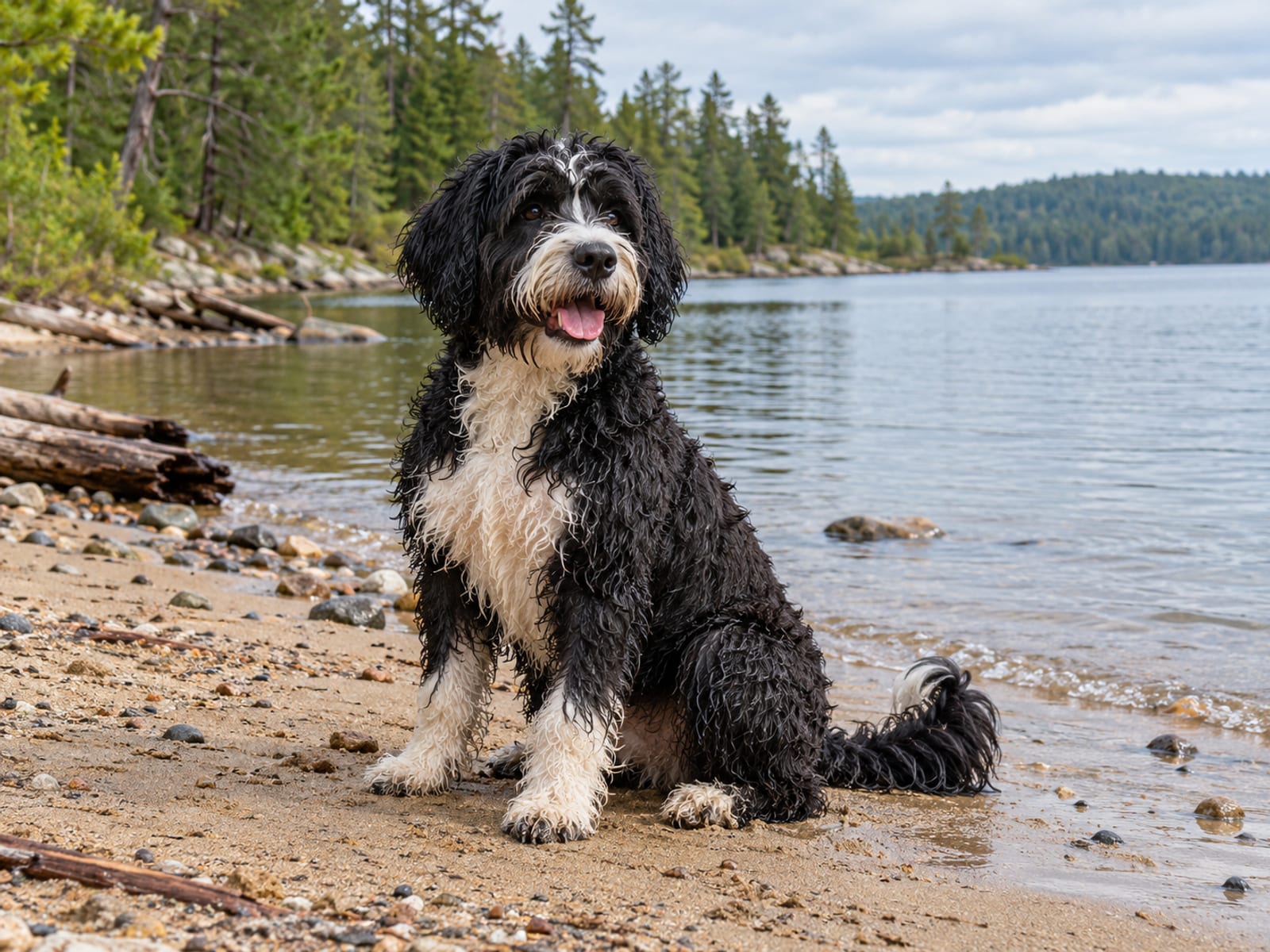
4. Portuguese Water Dog
The Portuguese Water Dog is the athletic choice on this list. Males stand 20 to 23 inches and weigh 42 to 60 pounds, females stand 17 to 21 inches and weigh 35 to 50 pounds, and the breed lives 11 to 13 years. The curly or wavy coat sheds little and needs regular brushing, bathing and clipping.
Webbed feet and a history of working with fishermen explain the strong love of water and activity. Bo, the Portuguese Water Dog who joined the Obama family in 2009, brought the breed wide attention. Expect vigorous daily exercise and purposeful jobs such as swimming, retrieving and training games.
This dog suits an active household with time and a plan for a demanding coat. A bored Portuguese Water Dog may bark or get into trouble, and long workday absences are hard on one. It can be good with children and active dogs when socialized. Ask breeders about hip dysplasia, juvenile dilated cardiomyopathy and progressive retinal atrophy testing.
5. Maltese
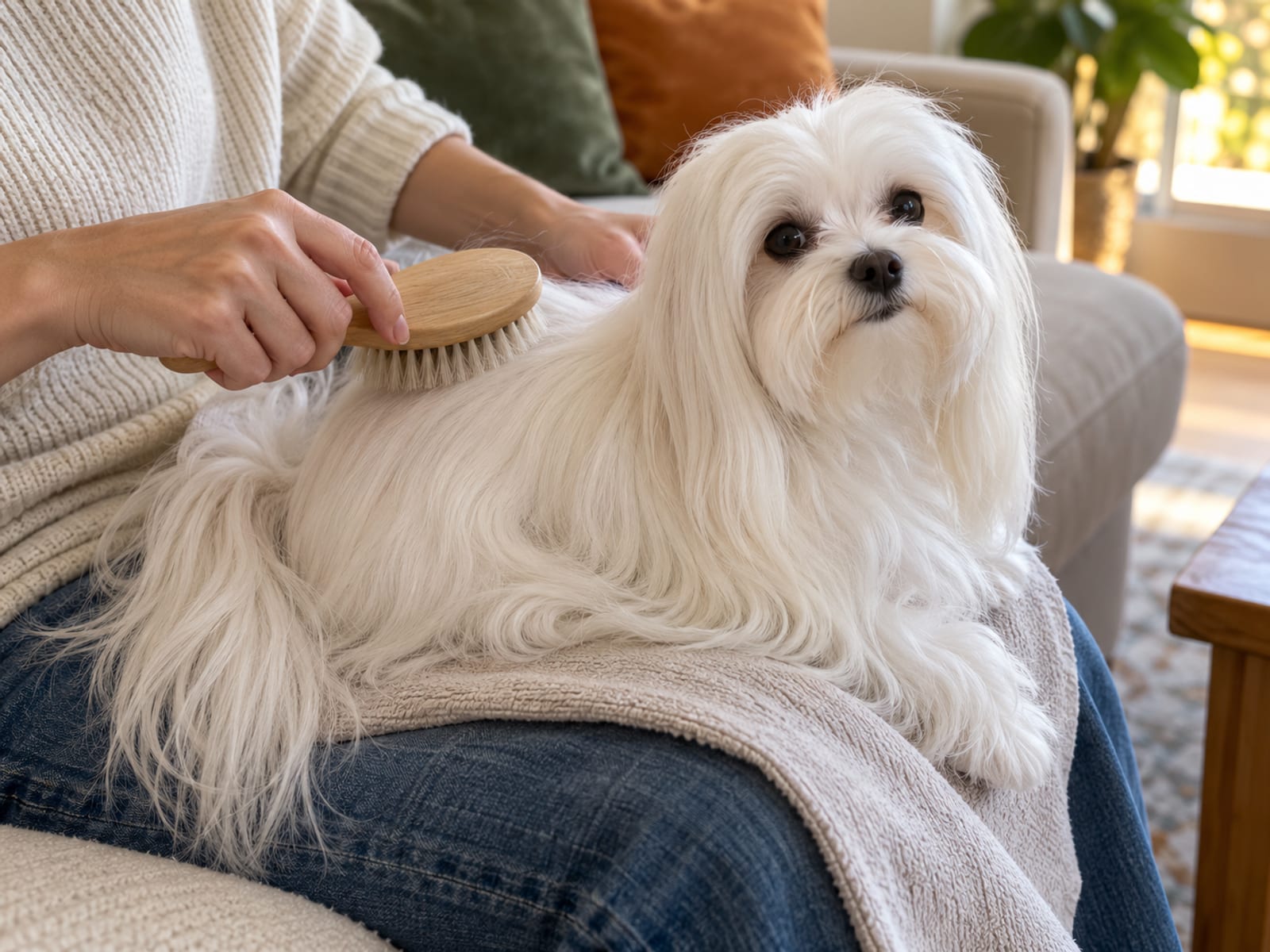
The Maltese is among the smallest breeds here, standing about 7 to 9 inches and weighing under 7 pounds, and it commonly lives 12 to 15 years or longer. The long, straight, silky hair sheds minimally.
A small body does not remove the daily routine. Plan on daily brushing and combing, regular baths and attention to dental care. A shorter trim is one way to make the coat easier to manage.
Maltese are intelligent and lively, they respond to positive training, and they can be stubborn. Exercise needs are modest, with daily walks and indoor play. They can be vocal and may develop separation-related behavior. They suit apartments and respectful older children. Because of their size, homes with rough handling, young children or large pets need extra care. See our small dog breeds for more compact companions. Patellar luxation, liver shunts and dental disease are named health concerns.
6. Havanese
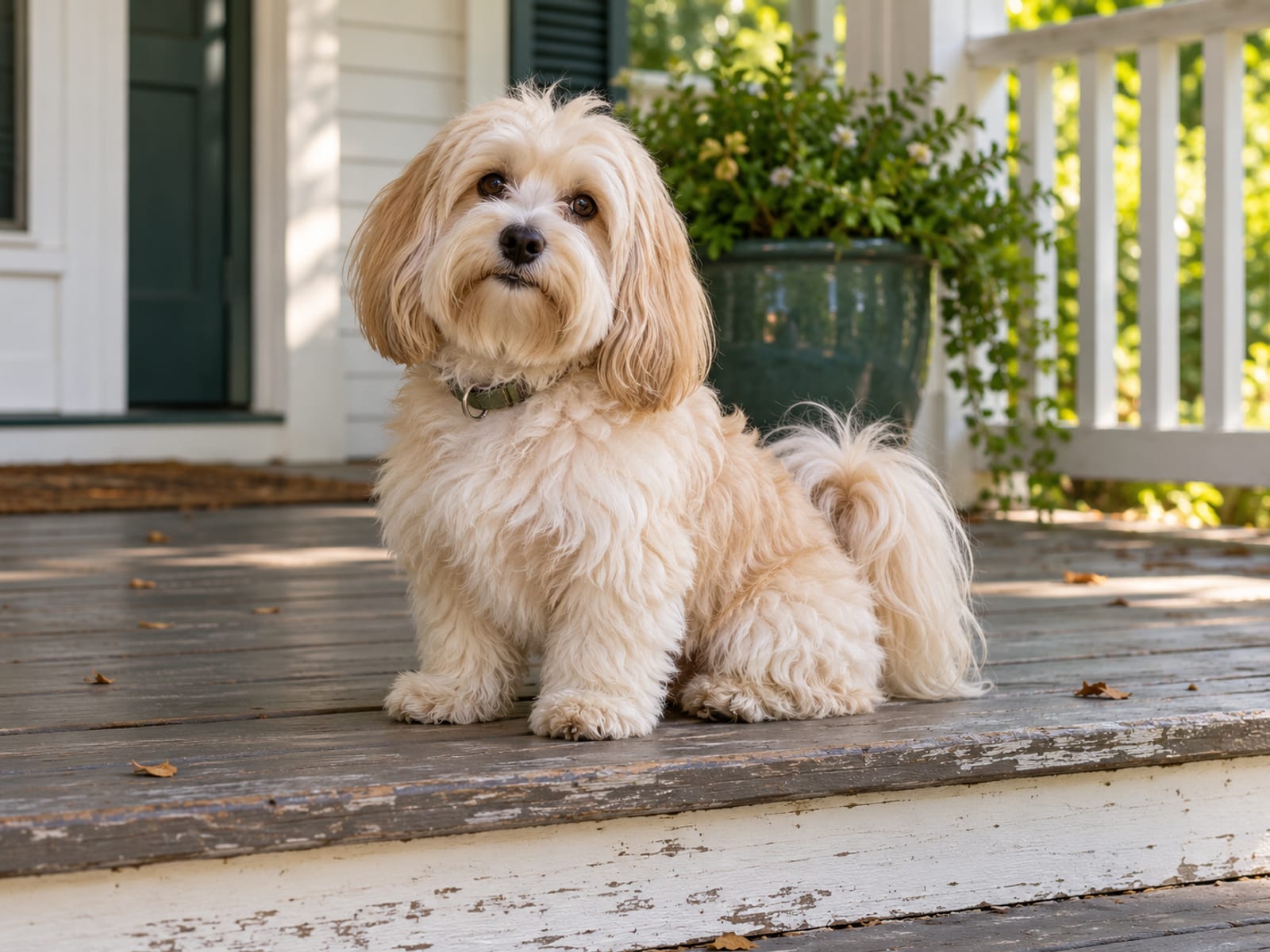
The Havanese stands 8.5 to 11.5 inches, weighs 7 to 13 pounds and lives 14 to 16 years. The long, soft, silky coat sheds relatively little, and daily brushing keeps it tangle-free unless you keep it in a short trim.
That short-trim option is the practical point. Clipping the coat changes your grooming time, but it leaves the dog's social needs the same. Havanese are intelligent, outgoing and usually eager to please, with moderate exercise needs.
They usually get along with children and nonaggressive pets. They can be serious watchdogs, though barking often stays moderate. They do poorly when left alone for hours, so they suit a home where someone is around. Apartments are a good match. If you want an independent dog, another breed fits better. Eye disorders, patellar luxation and heart murmurs are among the named health concerns. Spanish speakers may know it as Bichón habanero.
7. Shih Tzu
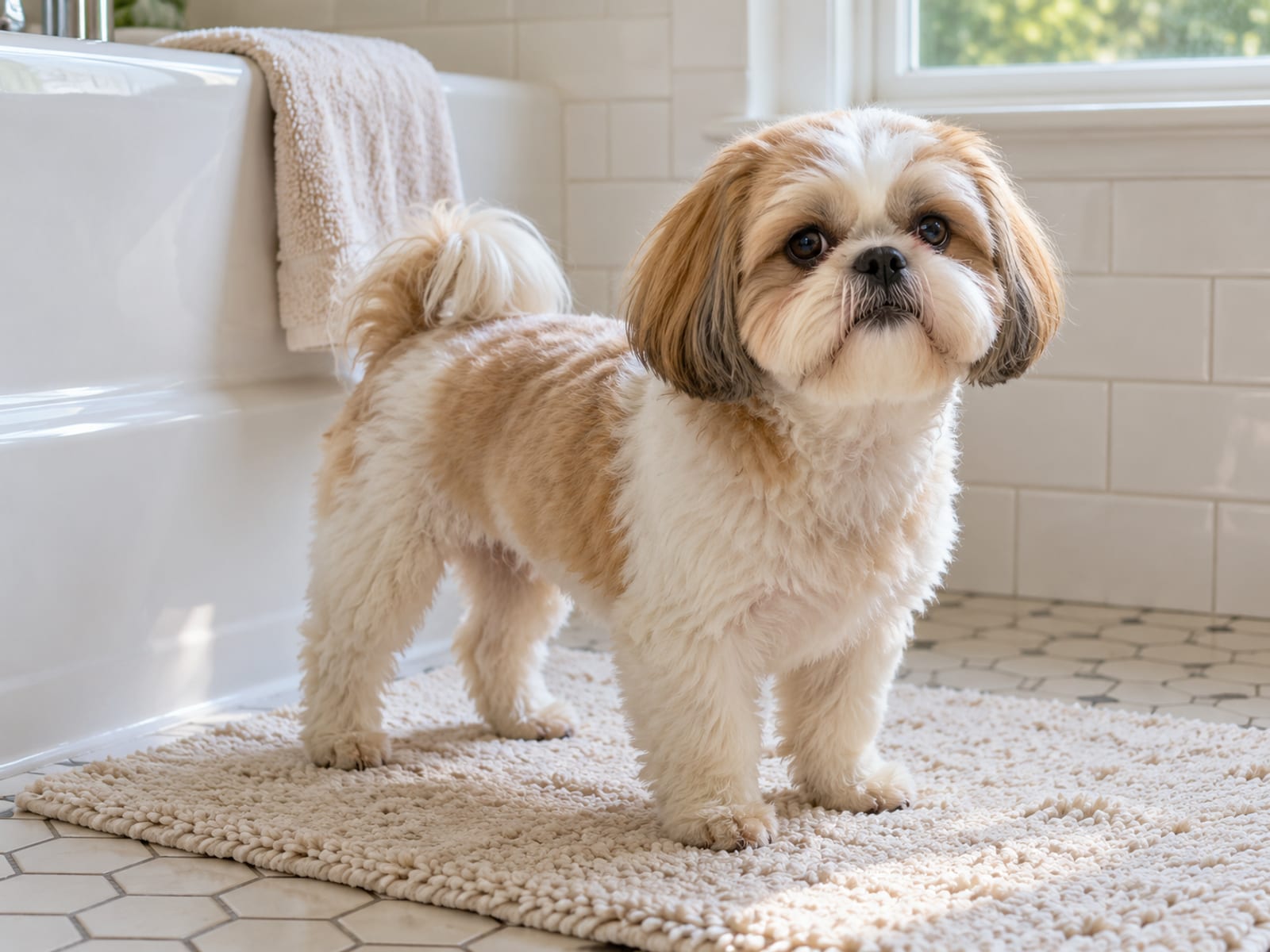
The Shih Tzu stands 9 to 10.5 inches, weighs 9 to 16 pounds and lives 10 to 18 years. The long, flowing hair has low visible shedding, and it needs daily brushing, regular baths, eye-area care and professional trimming.
This breed has unusually low exercise needs for a low-shedding dog. Shih Tzus are affectionate, playful and outgoing, and they do best with praise and rewards, though house-training can take patience. The flat face adds heat and eye-care considerations, so keep exercise gentle in warm weather and keep up with eye care.
A Shih Tzu suits an apartment and indoor family life with supervision, and it handles company better than long isolation. Barking varies and can increase with boredom. If you want a rugged outdoor jogging partner, choose another breed. Named health concerns include hip dysplasia, cataracts and corneal dryness. For apartment living in general, see our apartment dog breeds.
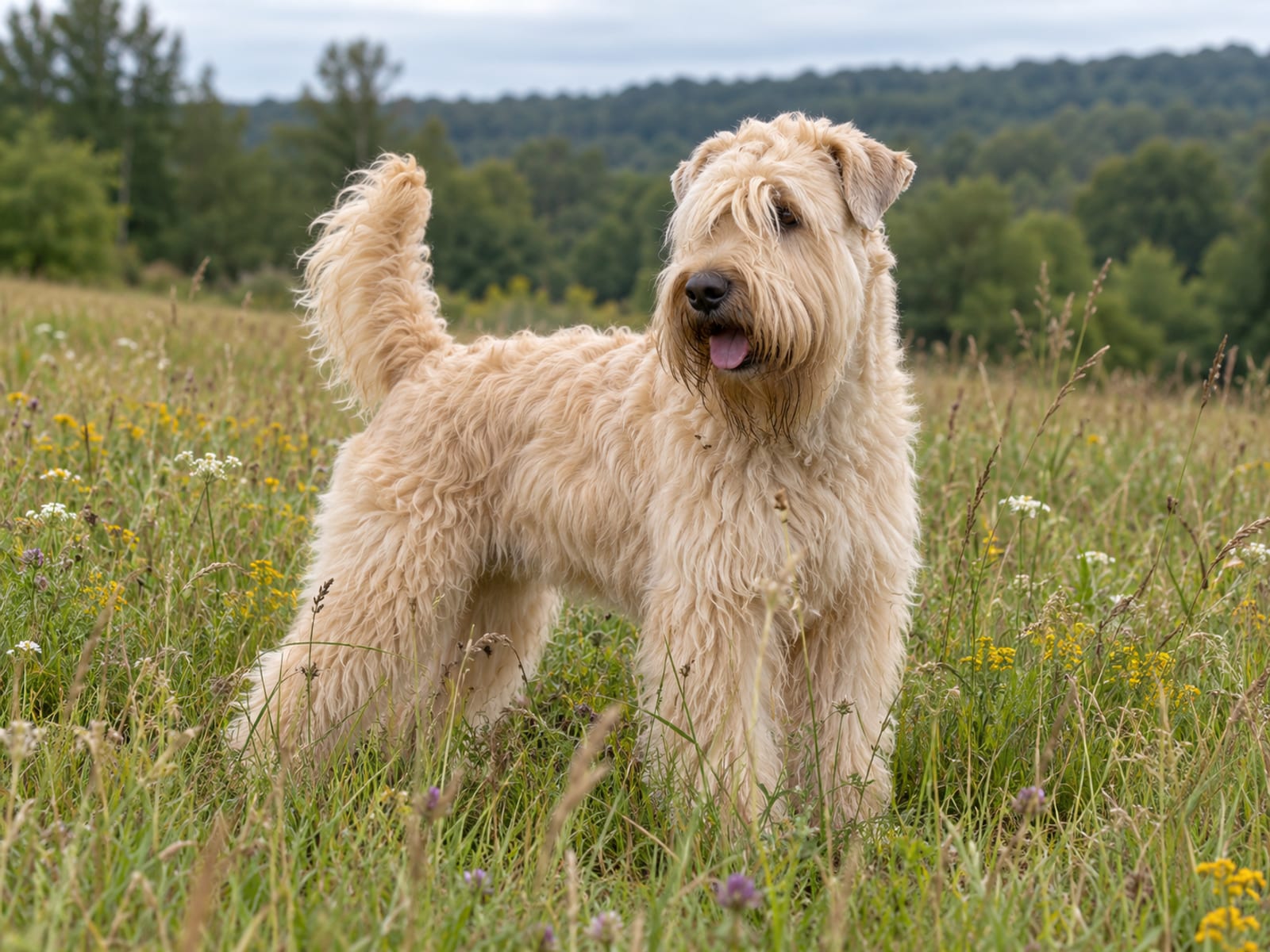
8. Soft Coated Wheaten Terrier
Males stand about 18.5 to 19 inches and weigh 35 to 40 pounds, females about 17.5 to 18 inches and 30 to 35 pounds, and the breed lives about 12 to 14 years. The silky, softly wavy, low-shedding coat needs daily brushing and combing to prevent mats.
The soft look comes with working-terrier intensity. Wheatens are exuberant, friendly and devoted, sometimes stubborn, and their energy stays medium to high into adulthood. That makes this the choice for someone who wants a medium-sized, energetic terrier rather than a lapdog.
Terrier alertness can produce barking. Wheatens are usually affectionate with children and compatible with pets when socialized, but prey drive and exuberance call for training. Apartment living works only with substantial daily exercise. Breed-club health screening matters here, because named concerns include protein-losing nephropathy, protein-losing enteropathy, renal disease and hip dysplasia.
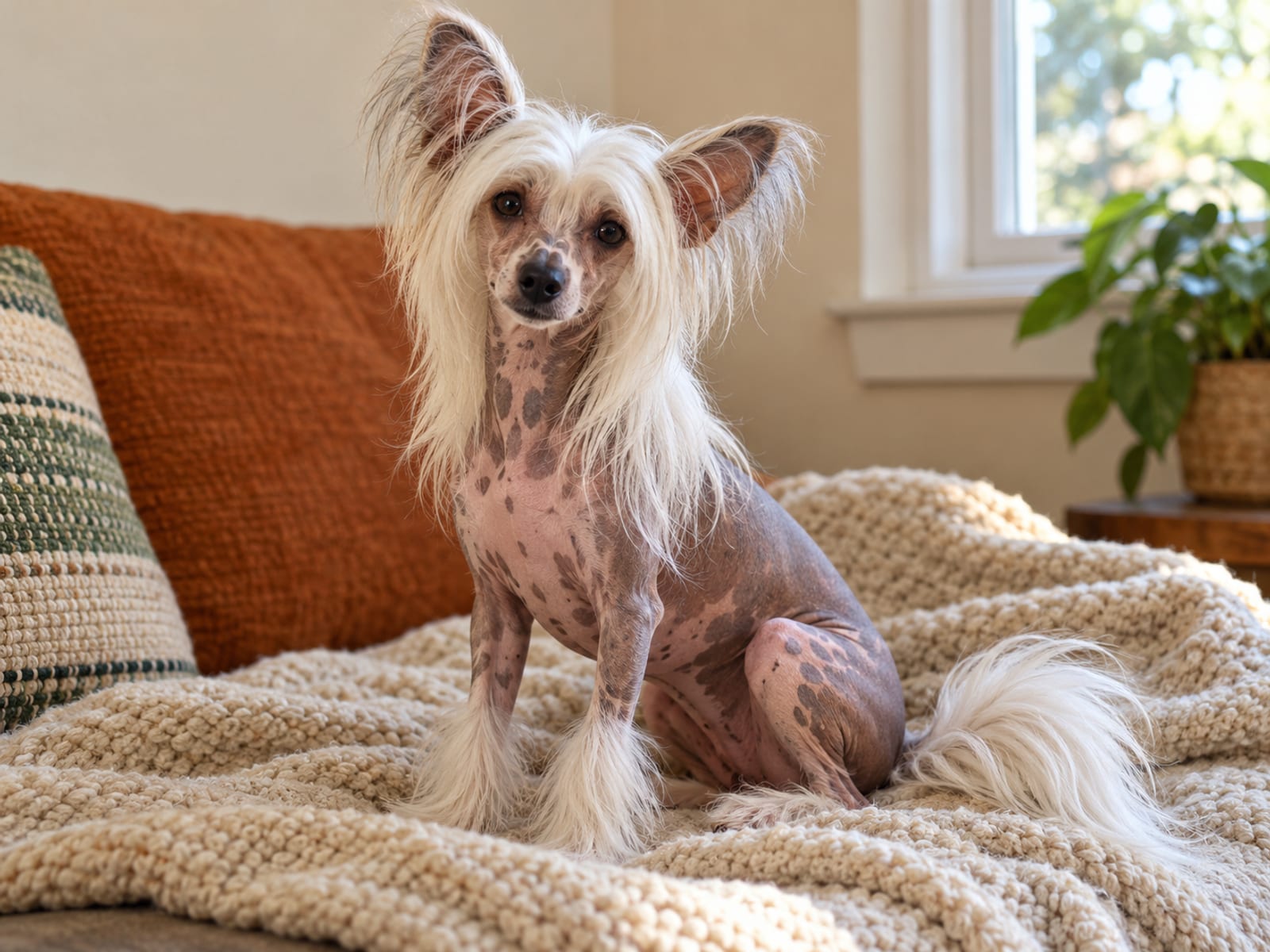
9. Chinese Crested
The Chinese Crested stands about 11 to 13 inches, weighs 8 to 12 pounds and lives about 13 to 18 years. It comes in two varieties. The Hairless has exposed skin with hair on the head, feet and tail, and the Powderpuff has a fine, full coat.
The Hairless variety shifts the routine from coat brushing toward sunscreen, skin care, temperature management and dental care. It sheds little loose hair, but the skin still needs attention. Powderpuffs need regular grooming of the full coat.
Cresteds are lively, affectionate, playful and strongly people-oriented. Moderate exercise with short walks and indoor play is typical. They can be alert and vocal, they fit apartments, and they often do well with respectful children and other pets. Their social nature makes long isolation hard. Rough children can hurt a fragile dog. Dental disease, patellar luxation, eye disease and sunburn or skin problems in hairless dogs are named health concerns.
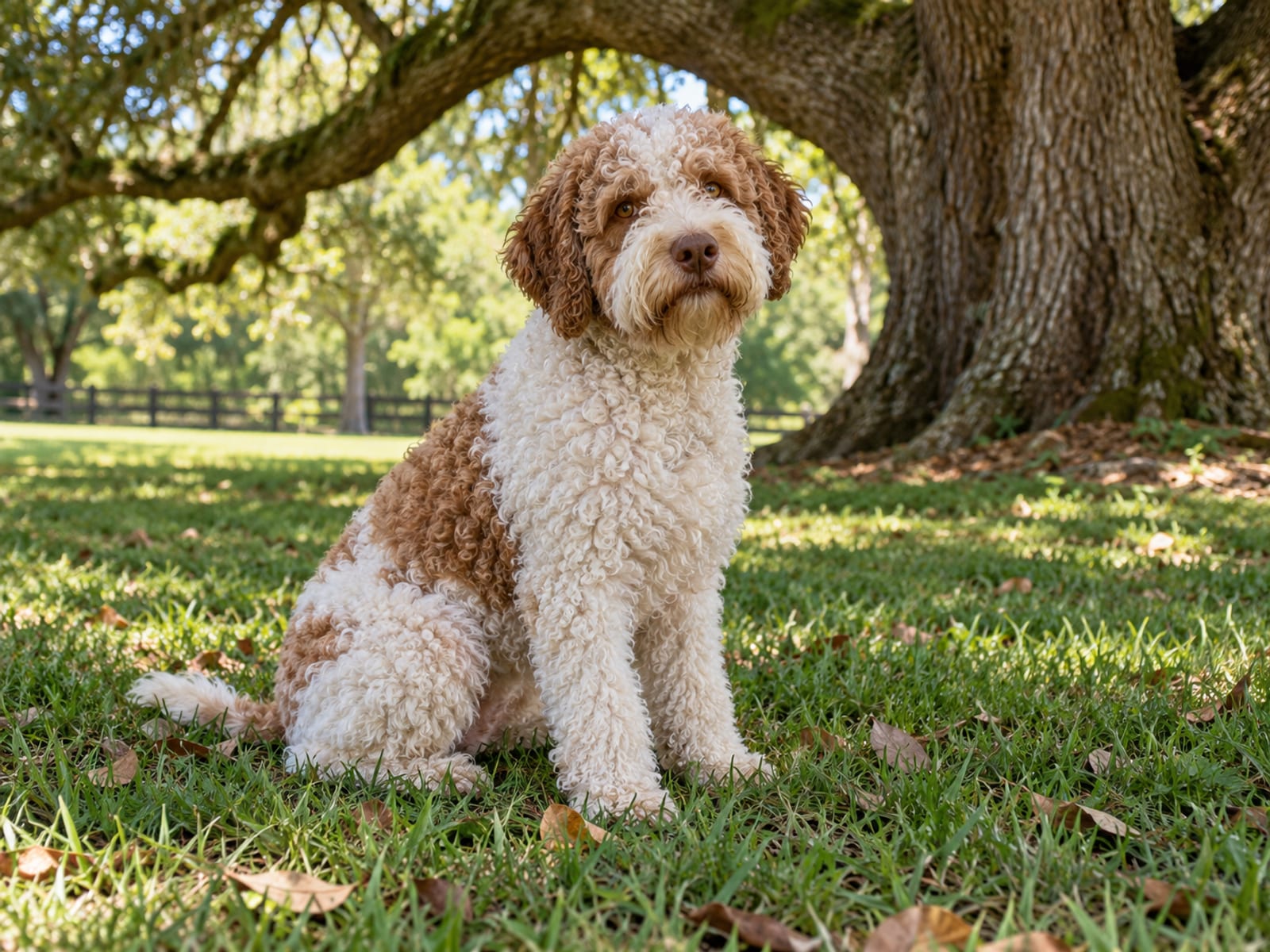
10. Lagotto Romagnolo
Males stand about 17 to 19 inches and weigh 28 to 35 pounds, females about 16 to 18 inches and 24 to 31 pounds, and the breed lives about 15 to 17 years. The woolly, curly coat sheds little, but it needs regular brushing and controlled trimming, because neglect can produce dense mats.
This is a truffle-hunting breed, so scent games and search work are natural outlets. Lagotti are intelligent, affectionate and energetic, and they need daily exercise, training and nose-based activities. Hiding treats around the yard or house gives one a job that matches its history.
With socialization, the Lagotto is usually family-compatible. Work drive can make long isolation difficult, and bored dogs may bark. Apartment living requires serious daily activity. The breed suits an active household that enjoys training. If you want a decorative companion that lounges, choose another breed. Juvenile epilepsy, storage disease and hip and elbow dysplasia are named concerns.
How do the ten breeds compare side by side?
The table puts the size, lifespan, coat and exercise facts from the sections above in one place.
Tap or hover a row to highlight it.
| Breed | Weight | Lifespan | Coat and shedding | Exercise |
|---|---|---|---|---|
| BreedPoodle | WeightToy 4 to 6 lb, Miniature 10 to 15 lb, Standard 40 to 70 lb | Lifespan10 to 18 years | Coat and sheddingCurly, very low shedding, mats easily | ExerciseDaily physical and mental exercise |
| BreedBichon Frise | Weight12 to 18 lb | Lifespan14 to 15 years | Coat and sheddingCurly double coat, low visible shedding | ExerciseWalks and play |
| BreedMiniature Schnauzer | Weight11 to 20 lb | Lifespan12 to 15 years | Coat and sheddingWiry topcoat, low shedding | ExerciseDaily walks, play and mental work |
| BreedPortuguese Water Dog | WeightMales 42 to 60 lb, females 35 to 50 lb | Lifespan11 to 13 years | Coat and sheddingCurly or wavy, low shedding | ExerciseVigorous daily exercise |
| BreedMaltese | WeightUnder 7 lb | Lifespan12 to 15 years or longer | Coat and sheddingLong, silky, minimal shedding | ExerciseModest, daily walks and indoor play |
| BreedHavanese | Weight7 to 13 lb | Lifespan14 to 16 years | Coat and sheddingLong, silky, sheds relatively little | ExerciseModerate |
| BreedShih Tzu | Weight9 to 16 lb | Lifespan10 to 18 years | Coat and sheddingLong hair, low visible shedding | ExerciseLow |
| BreedSoft Coated Wheaten Terrier | WeightMales 35 to 40 lb, females 30 to 35 lb | Lifespan12 to 14 years | Coat and sheddingSilky, softly wavy, low shedding | ExerciseMedium to high |
| BreedChinese Crested | Weight8 to 12 lb | Lifespan13 to 18 years | Coat and sheddingHairless or Powderpuff, low shedding | ExerciseModerate |
| BreedLagotto Romagnolo | WeightMales 28 to 35 lb, females 24 to 31 lb | Lifespan15 to 17 years | Coat and sheddingWoolly, curly, low shedding | ExerciseDaily exercise, training and nose work |
How can you test your reaction before getting a dog?
Start with an allergist or immunologist. Skin-prick or blood testing can identify dog sensitization and, when appropriate, sensitivity to individual dog allergen components. For example, Can f 5 is associated mainly with intact male dogs, so some people sensitized mainly to it may tolerate a female dog or a neutered male better. Your allergist can tell you whether that applies to you.
Then spend several hours with the specific dog, preferably more than once and indoors. Your reaction to one dog tells you about that dog, and a different dog of the same breed may feel different. AKC also recommends spending time with a dog before committing. Make the decision as a household before accepting the dog permanently.
How do you live with a dog when you have allergies?
ACAAI states that avoidance is the most effective management strategy. If your household keeps a dog, these steps can reduce your exposure:
- Keep the dog out of the allergic person's bedroom.
- Run a HEPA air cleaner continuously in the bedroom or main living area.
- Vacuum regularly with a HEPA-equipped vacuum, and wash bedding, throws and other washable fabrics.
- Wash your hands after touching the dog, and skip hugging, kissing and face licks.
- Ask a non-allergic person to brush and bathe the dog, outside or in a controlled area.
Cutting back on carpets and upholstered furniture where practical also helps. Ask your allergist whether medication or allergen immunotherapy fits your situation, especially if symptoms include wheezing or asthma. For questions about your dog's grooming or health care, DogServ can help.
Questions about dogs and allergies
These are the questions readers ask most about allergy-friendly breeds.
Are there 100% hypoallergenic dogs?
No. All dogs produce allergen proteins, and hairless dogs also produce them through skin, saliva and other biological sources. What you can do is choose a dog you tolerate well, based on allergy testing and time with the specific dog.
What is the 1 hypoallergenic dog?
No single dog fits everyone. If you want one breed to investigate first, the Poodle is a practical starting point because it comes in three sizes and has a low-shedding coat. See an allergist and meet the specific dog before you decide.
What are the top 10 hypoallergenic dogs?
The ten breeds in this post are Poodle, Bichon Frise, Miniature Schnauzer, Portuguese Water Dog, Maltese, Havanese, Shih Tzu, Soft Coated Wheaten Terrier, Chinese Crested and Lagotto Romagnolo. AKC commonly suggests low-shedding and hairless breeds like these for people with allergies.
Which dog is the most allergy friendly?
The most allergy-friendly dog is the individual dog that gives you the fewest symptoms. A low-shedding breed spreads less loose hair, and home Can f 1 levels did not differ by breed label in the 2011 household study, so test your reaction directly.
Which dog breeds should I avoid if I have allergies?
No breed is on a reliable avoid list. Heavy-shedding breeds may spread more hair and attached dander through a home, and a low-shedding breed can still cause symptoms. Step back from a specific dog if repeated exposure causes significant symptoms, especially breathing symptoms, and ask your allergist for guidance.
Can I keep my dog if I'm allergic?
Some people can, with an allergist's plan, a bedroom the dog stays out of, HEPA filtration, frequent cleaning, hand washing, grooming by someone else and medication or immunotherapy when appropriate. Avoidance is the most effective option, so households with asthma or severe reactions should get medical advice before deciding.
What is the easiest hypoallergenic dog?
Ease depends on your household. The Shih Tzu and Maltese need relatively little exercise but daily coat and dental care. Miniature Schnauzers are adaptable and trainable, bark more and need regular grooming, and Bichons are friendly and apartment-capable but need frequent brushing and clipping. Choose by whether you have more time for grooming, exercise, training or company.
What's the cheapest hypoallergenic dog?
Cost varies by dog and location. Acquisition cost or adoption fees, grooming, food, insurance, veterinary care and inherited health risks all add up, and low-shedding coats often need professional grooming. Compare the full expected annual cost, and consider adoption, with allergy testing and time with the dog first.
Which breeds are best for allergic children?
Poodles, Bichons, Havanese, Shih Tzus, Maltese, Miniature Schnauzers and Portuguese Water Dogs are commonly suggested lower-shedding options. The child should meet the specific dog, the family should see an allergist, and an adult should supervise every interaction. For more on matching a dog to children, see our family-friendly dog breeds.
Which large breeds are lower-shedding?
The larger lower-shedding options AKC lists include Standard Poodle, Portuguese Water Dog, Standard Schnauzer, Giant Schnauzer, Soft Coated Wheaten Terrier and Irish Water Spaniel. They differ in exercise, grooming and temperament, so match the dog to your routine and test your exposure before adoption.
Is a Shih Tzu hypoallergenic?
The Shih Tzu sheds relatively little and has a long, hair-like coat, so it is often called hypoallergenic. It still produces allergen proteins in dander, saliva and other sources. Some people tolerate an individual Shih Tzu well, so allergy testing and time with the dog tell you more than the label.
Is a Poodle hypoallergenic?
The Poodle is a low-shedding breed often suggested for people with allergies. A Standard, Miniature or Toy can still cause symptoms in an allergic person. Plan on regular brushing and professional grooming, and meet the dog before you commit.
What should I do if I have a dog and I'm allergic?
Make an appointment with an allergist or immunologist. Keep the dog out of the bedroom, use a HEPA air cleaner, vacuum regularly, wash fabrics and wash your hands after contact. Ask a non-allergic person to handle grooming when possible. For more breeds and daily-life guides, browse our dog breeds.
Where to go from here
If grooming time matters too, our lower-shedding dog breeds list is a good next read. Woof Wag Nation has more breed guides in the dog breeds library, and the free Woof Wag Nation newsletter sends one practical dog guide each week.
Sources
- American Academy of Allergy, Asthma & Immunology, Pet Allergy
- American College of Allergy, Asthma & Immunology, Pet Allergies
- Allergy, Asthma & Immunology Research, Dog and Cat Allergens, 2017
- AKC, Best Dog Breeds for People With Allergies
- AKC, Can I Have a Dog If I Have Allergies?
- Nicholas et al., Dog Allergen Levels in Homes with Hypoallergenic Compared with Nonhypoallergenic Dogs, American Journal of Rhinology & Allergy, 2011
- Vredegoor et al., Can f 1 levels in hair and homes of different dog breeds, Journal of Allergy and Clinical Immunology, 2012
- AKC, Poodle
- AKC, Bichon Frise
- AKC, Miniature Schnauzer
- AKC, Portuguese Water Dog
- AKC, Portuguese Water Dog history
- AKC, Maltese
- AKC, Havanese
- AKC, Shih Tzu
- AKC, Soft Coated Wheaten Terrier
- AKC, Chinese Crested
- AKC, Lagotto Romagnolo