

Breed list
10 Rare Dog Breeds Worth Knowing, and What Makes Each One Rare
Ten of the rarest AKC breeds by 2025 registrations, with size, lifespan, coat care, temperament and what living with an uncommon breed involves.
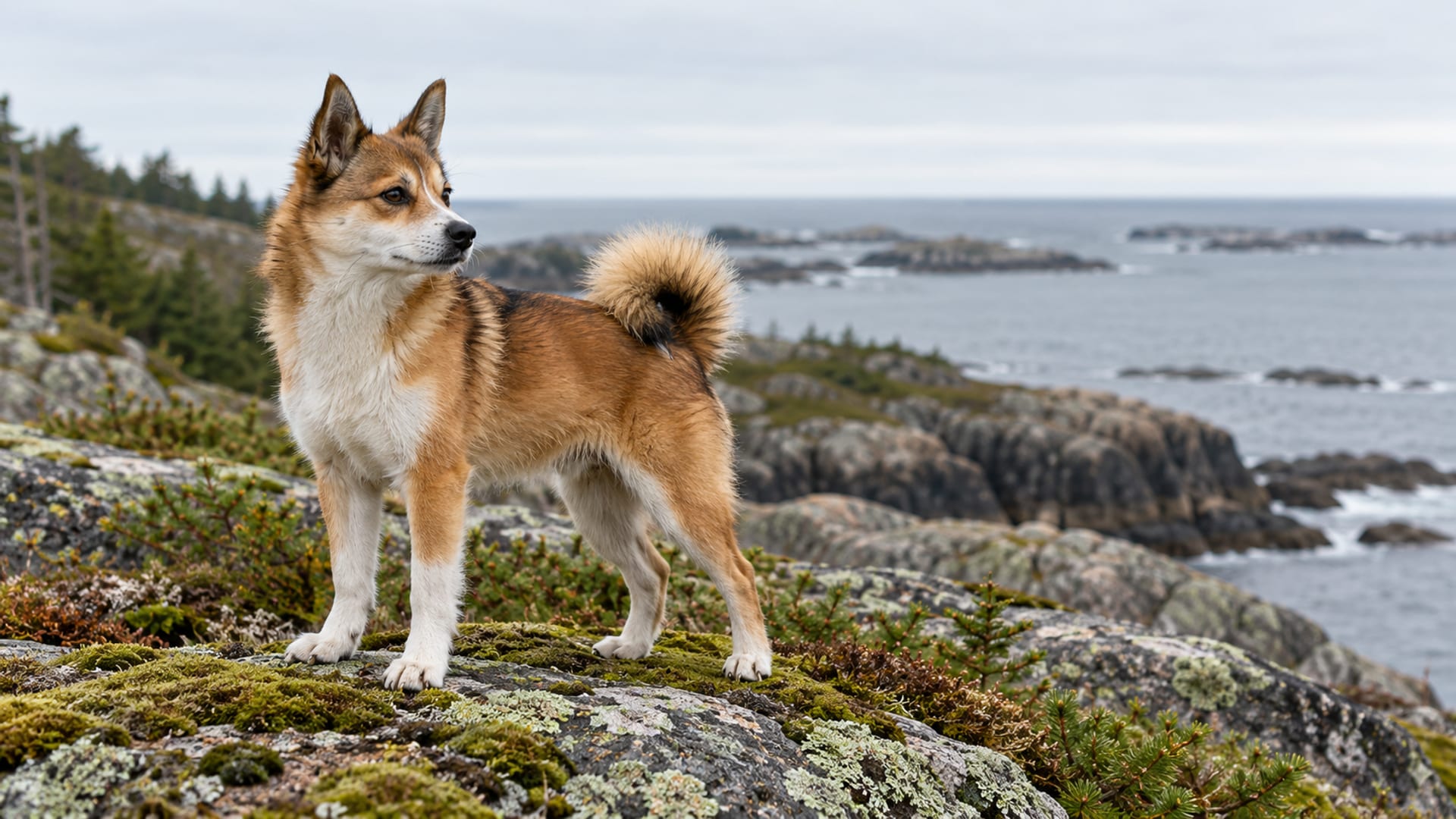
Rare means different things, so start with the measure. In the United States, the AKC's 2025 registration ranking places the Norwegian Lundehund, Sloughi, Grand Basset Griffon Vendéen, Harrier, Chinook, Cesky Terrier, Belgian Laekenois, Azawakh, Finnish Spitz and Canaan Dog at the bottom of 202 breeds. Worldwide rankings need dated population data from breed organizations.
Key takeaways
Tap a card to bring it forward.
- Rare here means the lowest ten ranks among 202 breeds in the AKC's 2025 U.S. registration ranking, from No. 193 to No. 202.
- The ranking counts AKC registrations, not every dog in the country, and it leaves out mixed-breed dogs.
- A breed can be rare in the United States and still be common in the country where it began.
- Rare does not mean better, healthier or an investment; it means fewer dogs, and sometimes fewer vets, rescues and playmates nearby.
- Each of these ten has a working past that still shapes daily life, from cliff climbing to sled pulling to scent tracking.
What "rare" means in this list
The ten breeds below are the bottom ten of the AKC's 2025 ranking, which placed the Norwegian Lundehund at No. 202, the Sloughi at No. 201, the Grand Basset Griffon Vendéen at No. 200, the Harrier at No. 199, the Chinook at No. 198, the Cesky Terrier at No. 197, the Belgian Laekenois at No. 196, the Azawakh at No. 195, the Finnish Spitz at No. 194 and the Canaan Dog at No. 193. Every breed is judged by the same dated yardstick, and together they cover very different sizes, jobs, coats and energy levels.
That yardstick has limits. Registration is voluntary, and it excludes mixed-breed dogs and dogs registered elsewhere, so it counts registrations, a subset of the total dog population. No single census ranks every recognized breed worldwide. The AKC also notes that a breed can be rare in the United States but relatively common in its country of origin.
What living with a rare breed can involve
Rarity shows up in small, practical ways. A smaller local vet network may mean a longer drive to someone who has treated the breed, so it helps to ask a practice whether it has, and whether it can refer you for breed-related conditions. There may be fewer dogs of the same breed nearby for socializing, and breed rescue is uneven: the AKC Rescue Network lists participating groups, but being listed does not mean a particular breed is available near you.
Health planning works the same way. Small populations can bring genetic-management challenges, and the AKC explains that genetic testing has to be breed-specific and that removing every carrier of a variant can shrink genetic diversity. The AKC's breed health testing requirements and each breed club's health statement show which screenings are recommended. For general care and safety questions along the way, DogServ is a good place to start.
1. Norwegian Lundehund
The Norwegian Lundehund ranked No. 202 of 202 in the 2025 AKC ranking. It was developed on Norway's island of Værøy to climb cliffs and retrieve puffins from narrow crevices, and each foot has at least six fully functioning toes. The neck bends far enough for the head to reach back toward the spine, and the shoulders let the front legs spread wide. According to the AKC, males stand 13 to 15 inches and weigh 15 to 18 pounds; females stand 12 to 14 inches and weigh 12 to 15 pounds; life expectancy is 12 to 15 years.
The AKC's breed history says only six purebred Lundehunds remained in Norway by the 1960s, and conservation breeding kept the breed going.
The dense double coat sheds moderately and needs weekly brushing. This dog tends to be clever, sensitive, energetic and sometimes wary of strangers, with medium to high exercise needs and a need for daily problem-solving. Breed-linked concerns include intestinal lymphangiectasia, patellar luxation and eye disease, so a vet experienced with this unusual anatomy is especially useful.
It can suit respectful children, compatible dogs and apartments if it is exercised, but it is a poor fit for a household that wants an easygoing or highly independent dog.
2. Sloughi
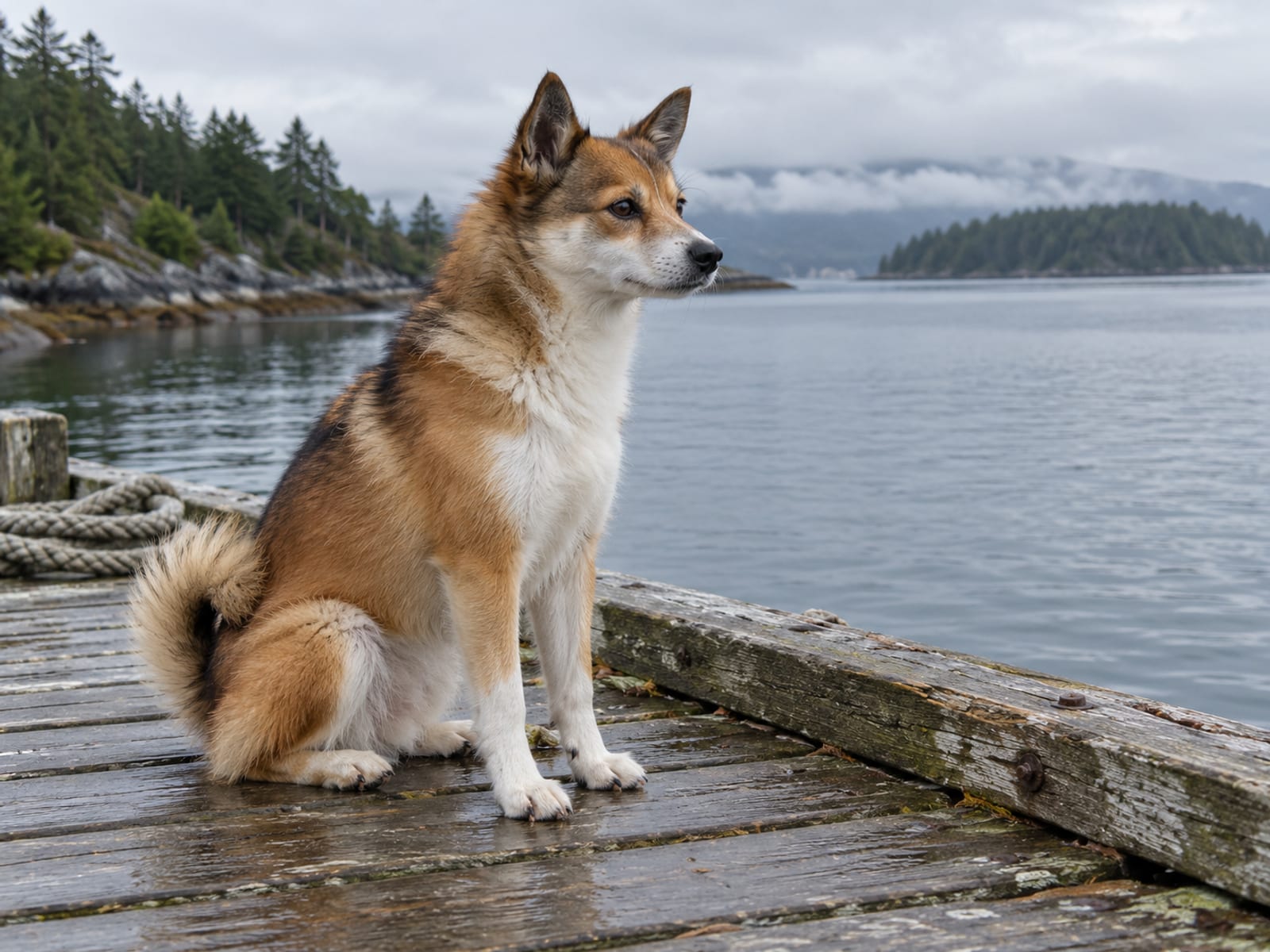
The Sloughi sits at No. 201. This North African coursing hound was used by nomadic peoples to hunt game across desert and semi-desert terrain, and it also guarded camps. The AKC lists males at 26 to 29 inches and females at 24 to 27 inches, typically about 35 to 50 pounds, with a life expectancy of about 10 to 15 years. The short, smooth coat has low grooming needs and moderate shedding.
Indoors, a Sloughi is usually quiet, but it needs daily exercise plus safe places to sprint. Secure sprinting space matters more than a large house. It tends to be sensitive, intelligent, independent and reserved with strangers, and its prey drive makes reliable fencing and careful leash handling important. Long stretches alone can be hard on it. Health concerns include progressive retinal atrophy, autoimmune disease, cardiac disease and seizures. An apartment can work with substantial daily exercise, but the breed is not an ideal fit for homes with small animals or for inexperienced owners.
3. Grand Basset Griffon Vendéen
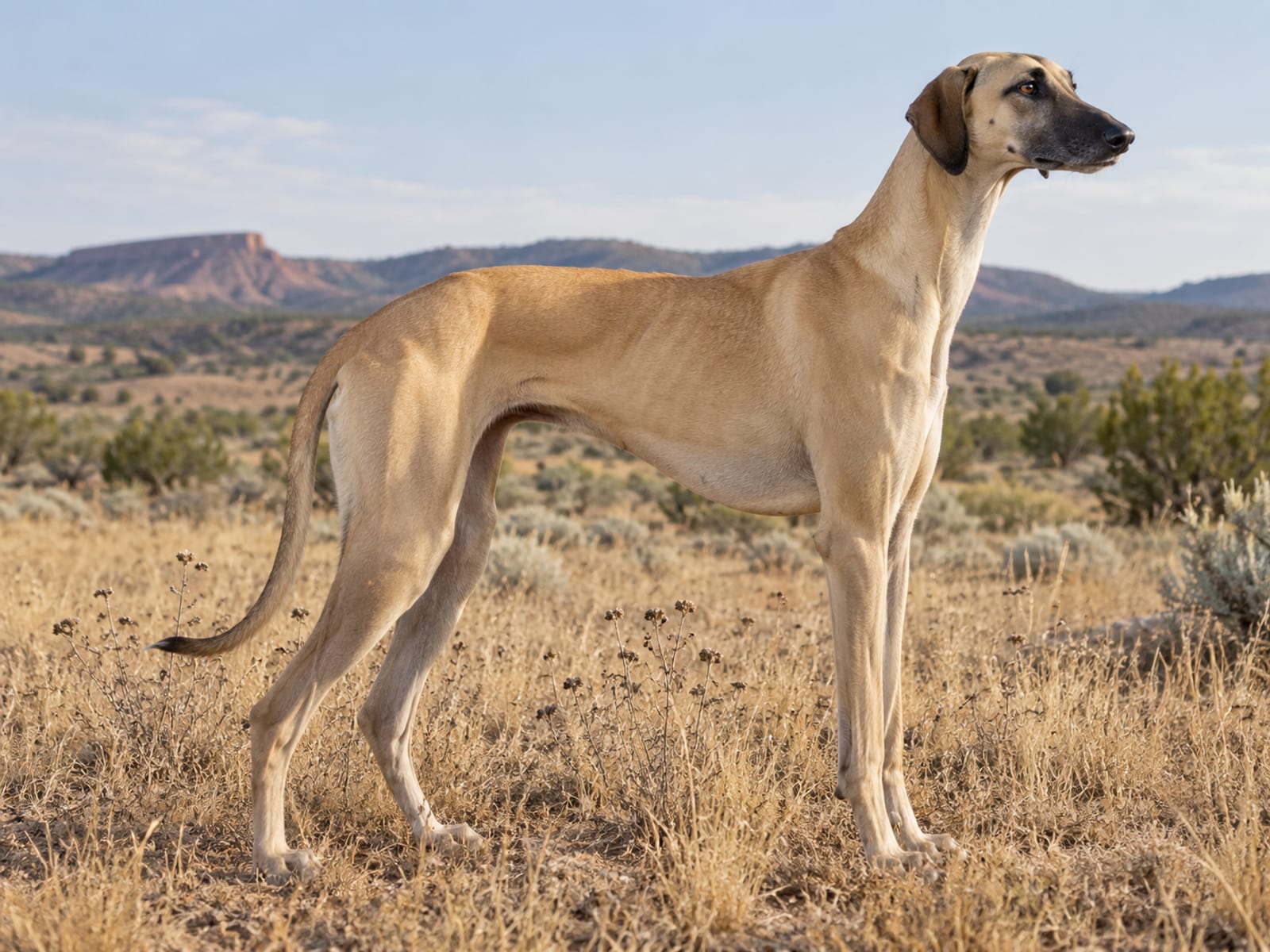
Rank No. 200 belongs to the Grand Basset Griffon Vendéen, a French scent hound developed to hunt small game, especially rabbit and hare, in rough terrain. The AKC gives its height as about 15.5 to 18 inches, its weight as approximately 40 to 45 pounds and its life expectancy as about 12 to 14 years. The shaggy double coat sheds moderately and needs regular brushing and occasional trimming.
Scent work and boundary control are central to daily life. This breed tends to be lively, social, curious, independent and persistent, and as a scent hound it vocalizes and follows its nose. High exercise and nose-based games keep it occupied, and its low, long body can fool people about how much activity it needs. It is usually social with children and dogs but can struggle with long solitude.
Hips, elbows, eyes and patellas are the usual health checks. Apartment living is possible only with plenty of exercise, and it is not suited to households wanting a quiet, low-energy dog or reliable off-leash behavior in open areas.
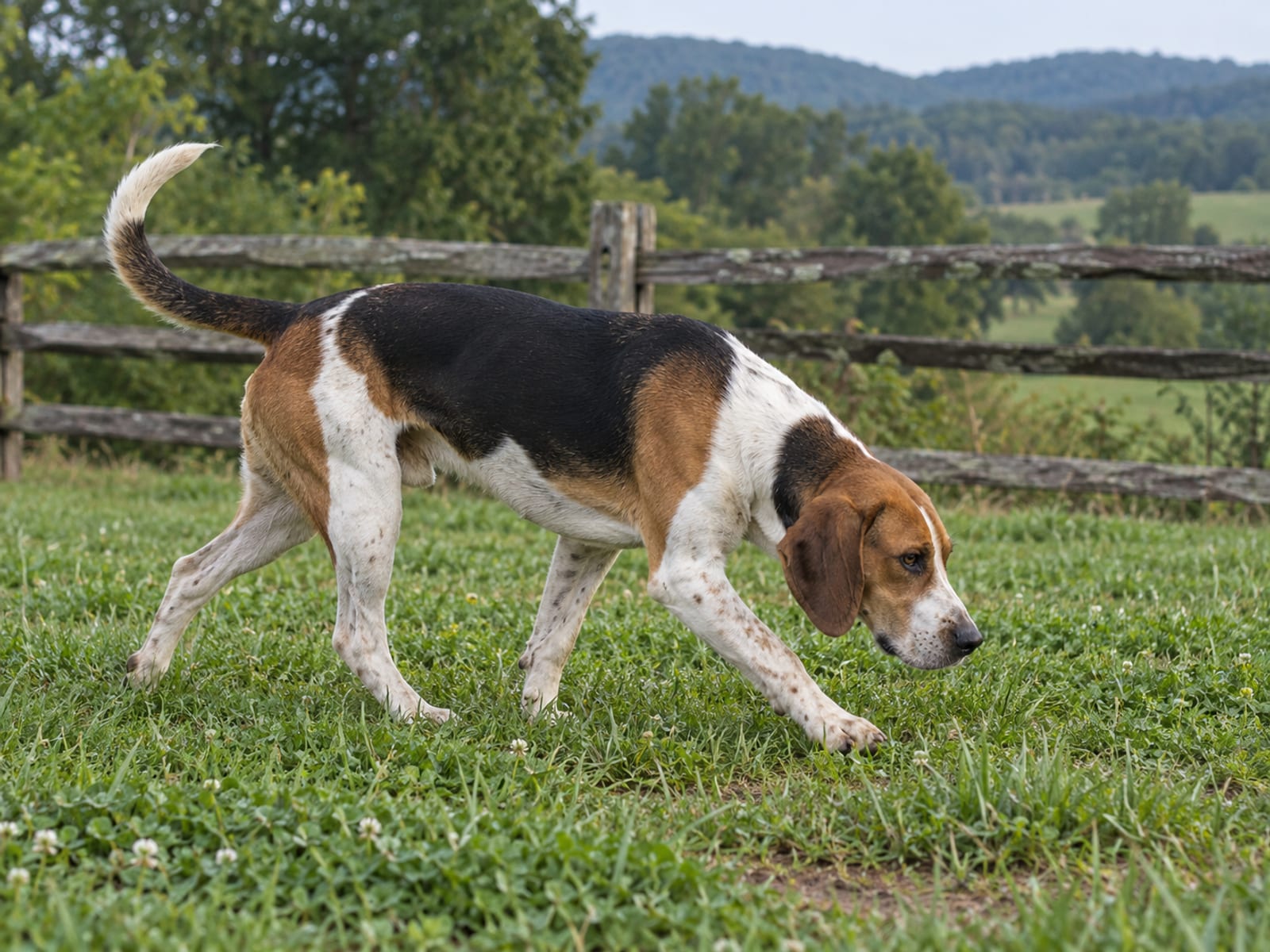
4. Harrier
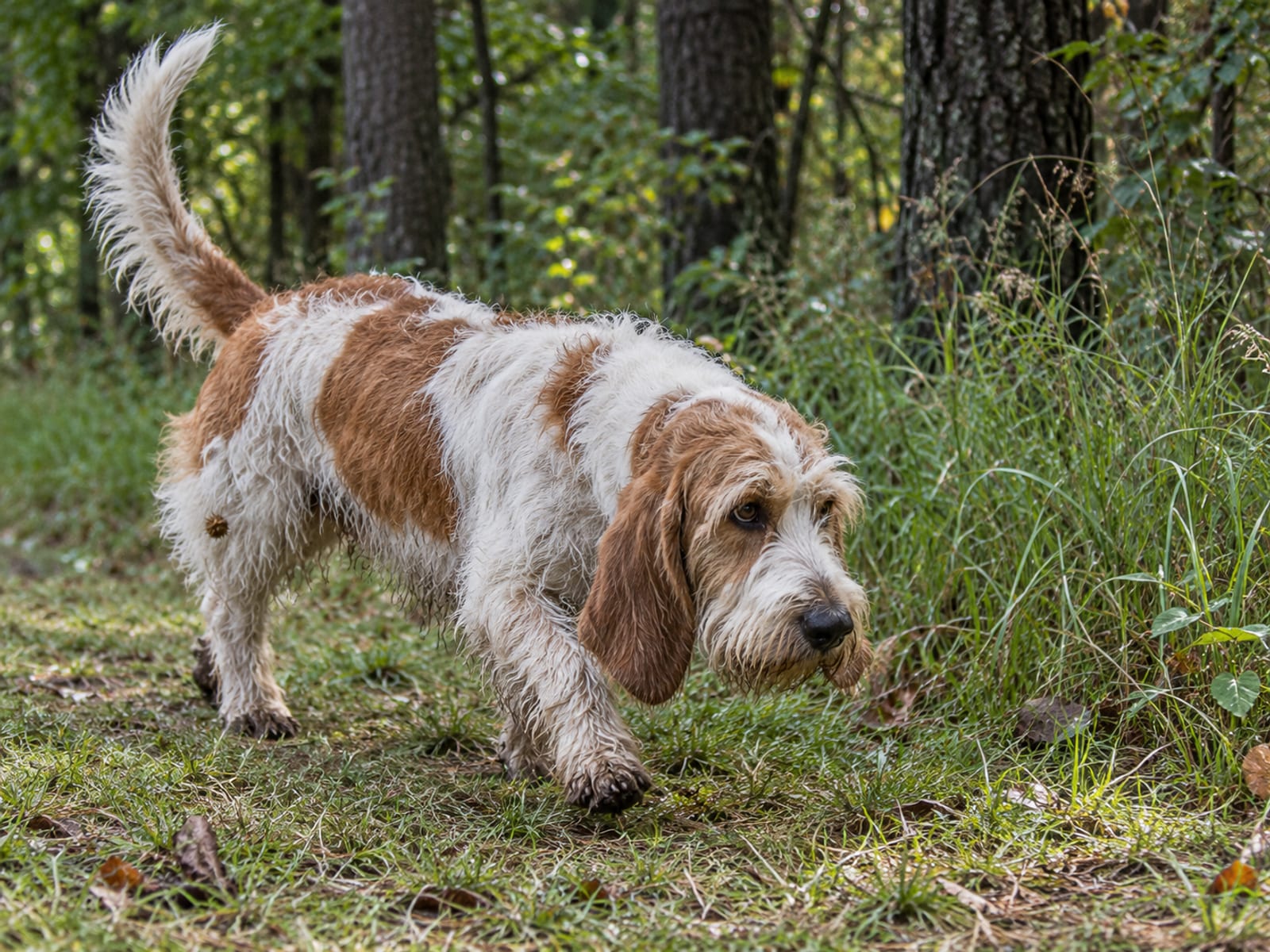
The Harrier is No. 199. It is an English pack hound bred to hunt hare by scent. The AKC lists it at 19 to 21 inches and 45 to 60 pounds, with a life expectancy of 12 to 15 years. The short coat sheds moderately and takes little grooming.
What takes time is exercise. Long walks, hikes, tracking and scent games suit a dog with a pack hound's stamina, and a leash and solid fencing are essential because of its prey drive. Harriers tend to be friendly, outgoing, people-oriented and independent, and they can be vocal and stubborn. They are usually good with children and other dogs when socialized, but they should not be trusted loose around prey or in unfenced areas.
Breed-club screening commonly includes hips and eyes. Apartment life is a difficult fit unless you provide extensive daily activity, and the breed does not suit sedentary homes, noise-sensitive neighbors or owners who want instant obedience.
5. Chinook
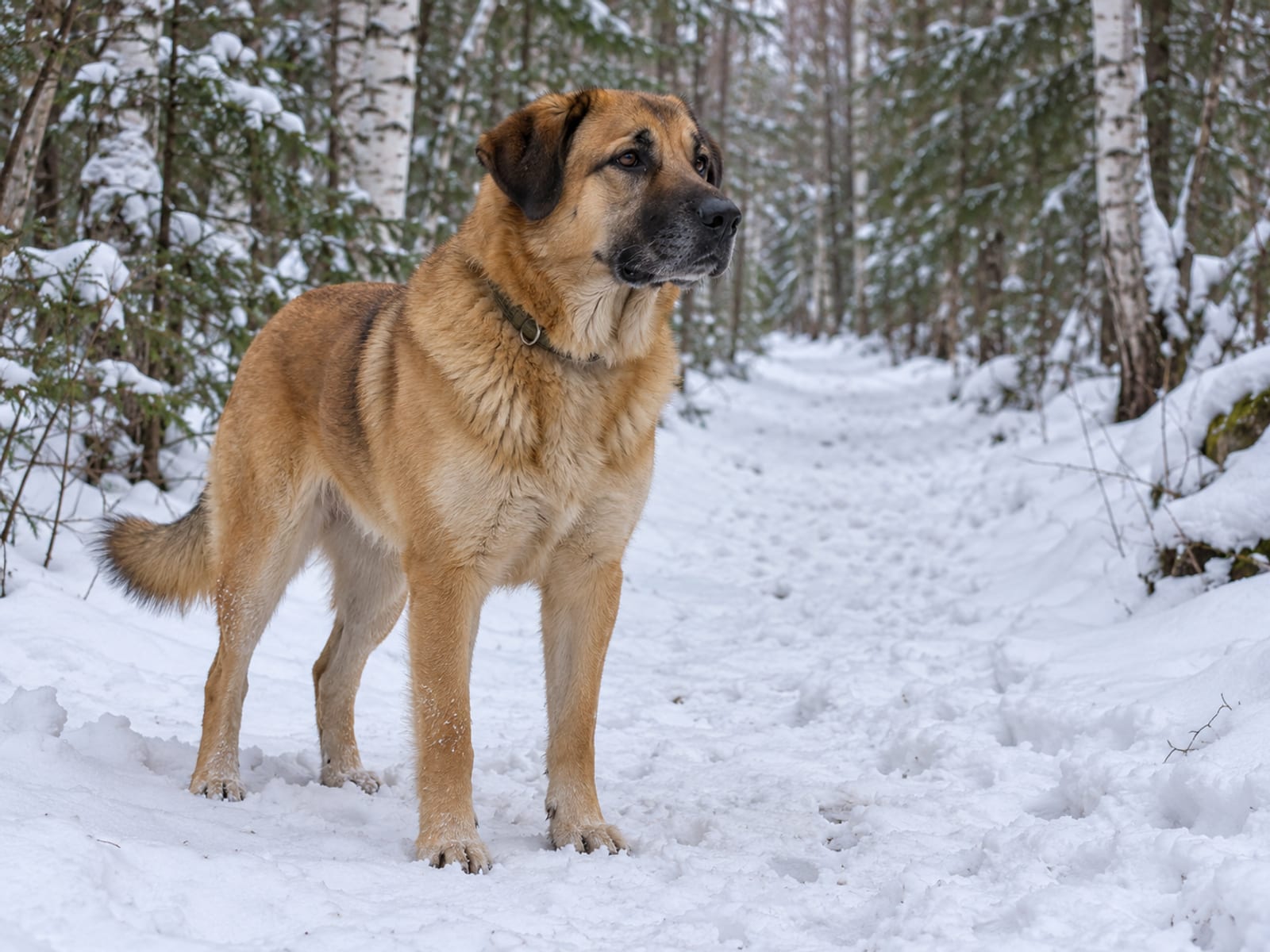
The Chinook, No. 198, was developed by Arthur Treadwell Walden in New Hampshire as a sled and freighting dog, and it was used on polar expeditions. The AKC describes it as one of the scarcest AKC breeds. Males stand 24 to 26 inches and weigh 55 to 90 pounds; females stand 22 to 24 inches and weigh 50 to 65 pounds; life expectancy is 12 to 15 years.
Pulling, hiking and outdoor family activities are especially good outlets. Chinooks tend to be intelligent, patient, affectionate, people-oriented and eager to please, and they are usually friendly with children and other dogs, though they may jump when excited. The plush double coat needs weekly brushing, with more during coat blows.
Health concerns include hip dysplasia, cryptorchidism, gastrointestinal disease, allergies and Chinook movement episodes. It is a poor guard dog, and it generally prefers family company, so long daily absences may not suit it. An apartment works only with significant outdoor exercise.
6. Cesky Terrier
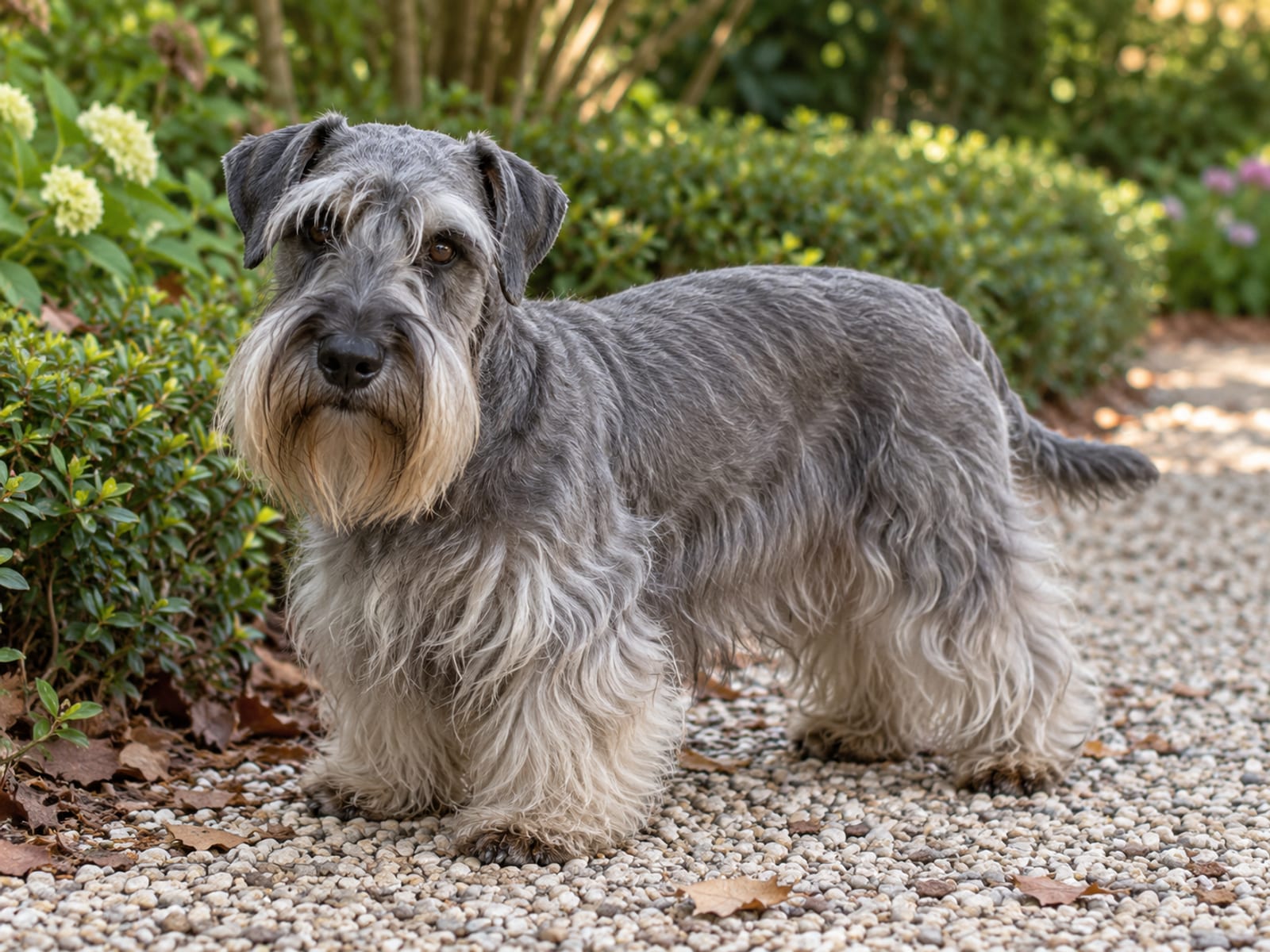
The Cesky Terrier holds No. 197. It is a Czech breed developed by František Horák to hunt vermin in packs and underground. Per the AKC, it stands no taller than 13 inches, weighs approximately 14 to 24 pounds and has a life expectancy of about 12 to 15 years.
Regular clipping is part of normal care, because the fine, silky, wavy coat needs brushing and trimming. The temperament is clever, bold and tenacious, and generally somewhat more tractable than many terriers, though often wary of strangers. Moderate exercise with play and mental work usually does the job. Prey drive remains relevant around small pets, but a respectful family and compatible pets are often workable. Breed-linked concerns include patellar luxation, cardiac disease, progressive retinal atrophy and cataracts. An apartment can suit it if it is exercised and trained, but it is not for owners who want a wash-and-wear coat or a dog without terrier persistence.
7. Belgian Laekenois
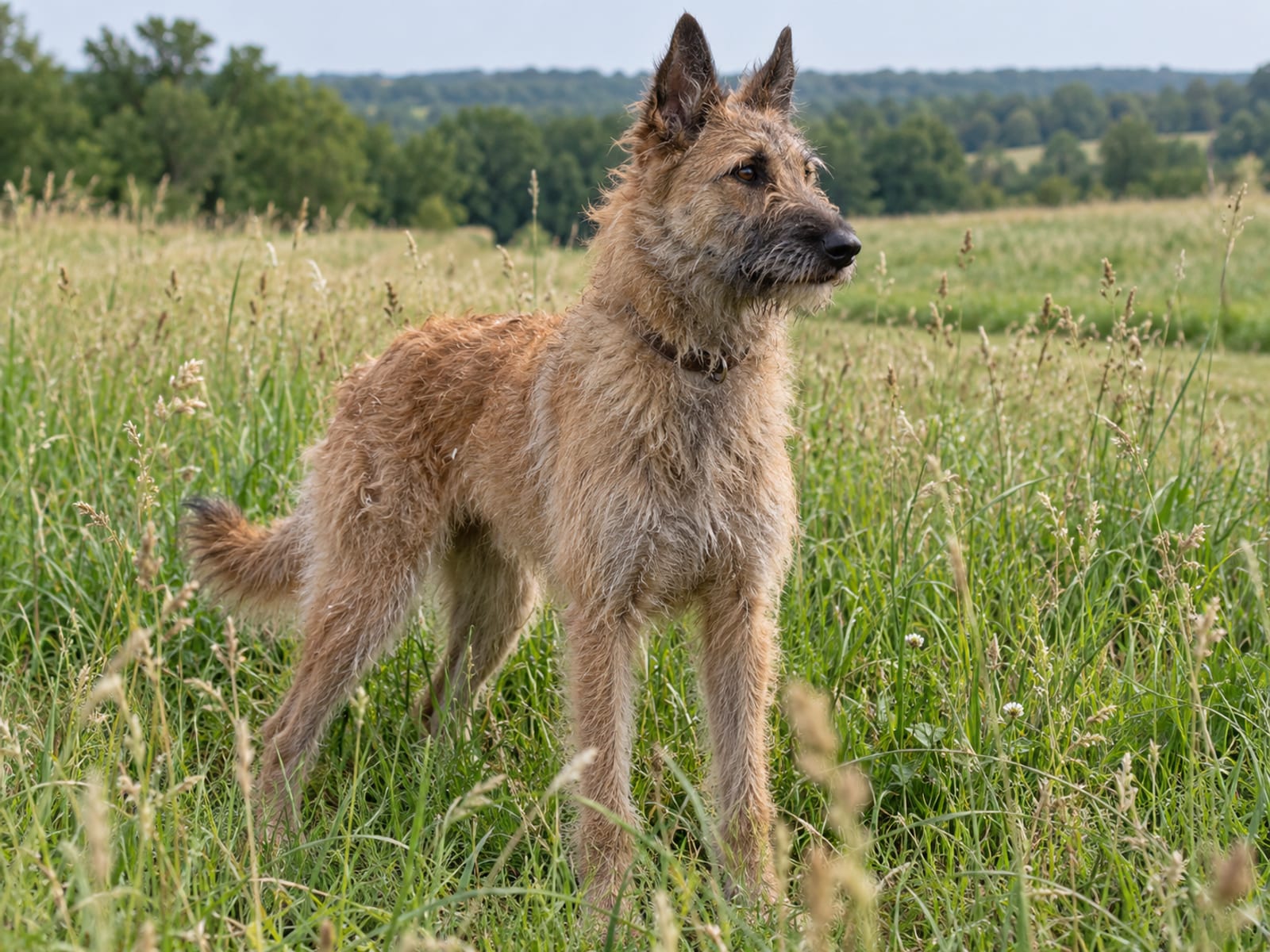
The Belgian Laekenois is No. 196, a Belgian herding and farm dog used for livestock work, guarding and messenger duties. The AKC gives its size as about 22 to 26 inches and 55 to 65 pounds, with a life expectancy of about 10 to 12 years. Among the four Belgian shepherd varieties, its rough, tousled coat creates a different grooming routine, with regular brushing and occasional bathing.
Daily work and socialization are necessary to channel its guarding instincts. It tends to be protective, watchful, agile and affectionate with familiar people, and reserved with strangers. Training potential is high, but it asks for consistent socialization and a real job. Barking and guarding can be substantial, and hips, elbows and heart are the usual screenings. It is not a good fit for long periods alone, sedentary households or inexperienced owners seeking an easy companion, and apartment living is generally a poor match unless you can offer intensive daily outlets. If guarding traits interest you, see our look at guard dog breeds.
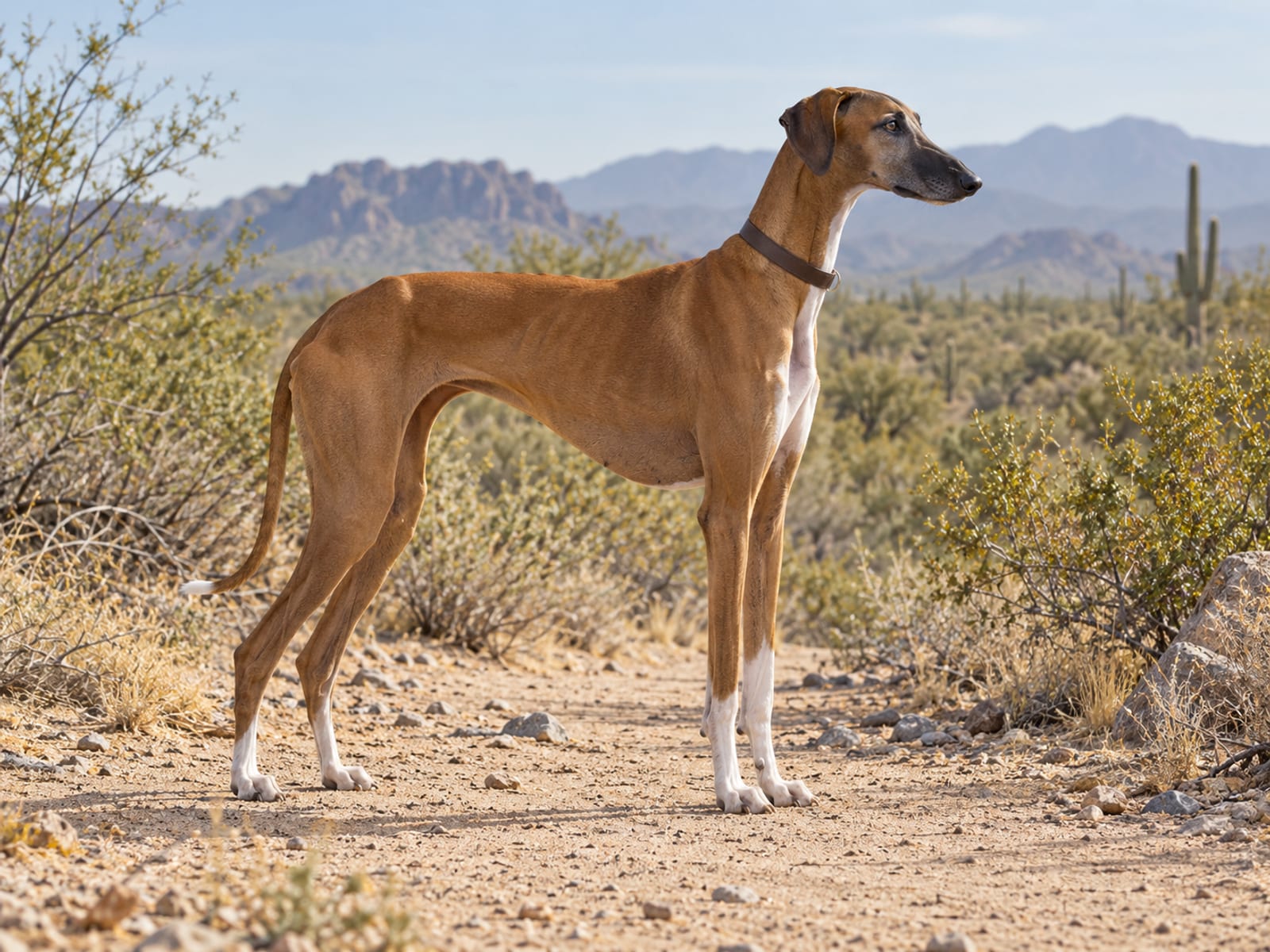
8. Azawakh
The Azawakh is No. 195, a West African sighthound used to hunt gazelle and other game, guard camps and accompany nomadic families. The AKC lists males at about 25 to 29 inches and females at about 23.5 to 27.5 inches, roughly 33 to 55 pounds, with a life expectancy of about 12 to 15 years. The very short, fine coat needs minimal grooming and sheds low to moderately.
Its thin look is normal for the breed, so owners need to learn the difference between healthy leanness and underweight; a vet can help with that. The Azawakh tends to be loyal, sensitive, independent, protective and reserved with unfamiliar people. It needs daily exercise, safe sprinting and mental engagement. Prey drive and sensitivity can complicate life with small pets and rough play.
Concerns include hypothyroidism, seizures, cardiac disease and autoimmune-mediated disease. The AKC says this breed requires experienced owners. An apartment is possible with proper exercise, but long isolation and chaotic homes are poor matches.
9. Finnish Spitz
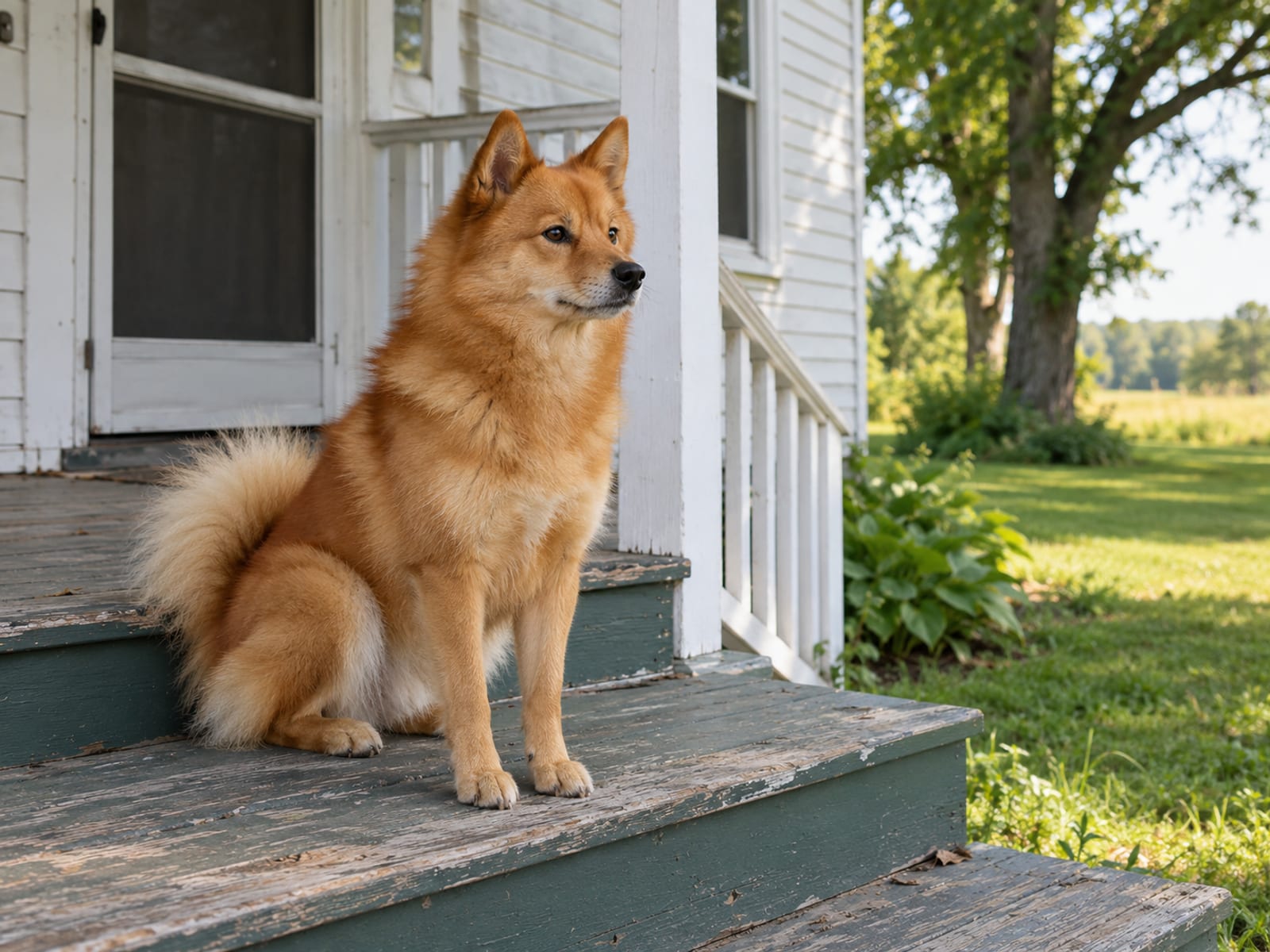
The Finnish Spitz ranks No. 194. It is a Finnish hunting dog used to locate birds and signal the quarry with distinctive vocalizations. The AKC lists males at 17.5 to 20 inches and 25 to 33 pounds, and females at 15.5 to 18 inches and 20 to 28 pounds, with a life expectancy of 13 to 15 years. The dense double coat sheds seasonally and needs weekly brushing.
Barking is a defining trait, including yodel-like sounds, and it is part of the breed's traditional hunting method rather than a stray habit. Plan for barking before you consider apartment life. It tends to be friendly, lively, smart, sensitive and alert, and it needs moderate to high exercise and regular mental work. It suits active families and compatible dogs, but prolonged solitude and close neighbors can both cause problems. Health concerns are relatively limited, though breed-club screening has included patellas, hips, elbows and eyes. Apartments are generally a poor fit unless noise and exercise are carefully managed.
10. Canaan Dog
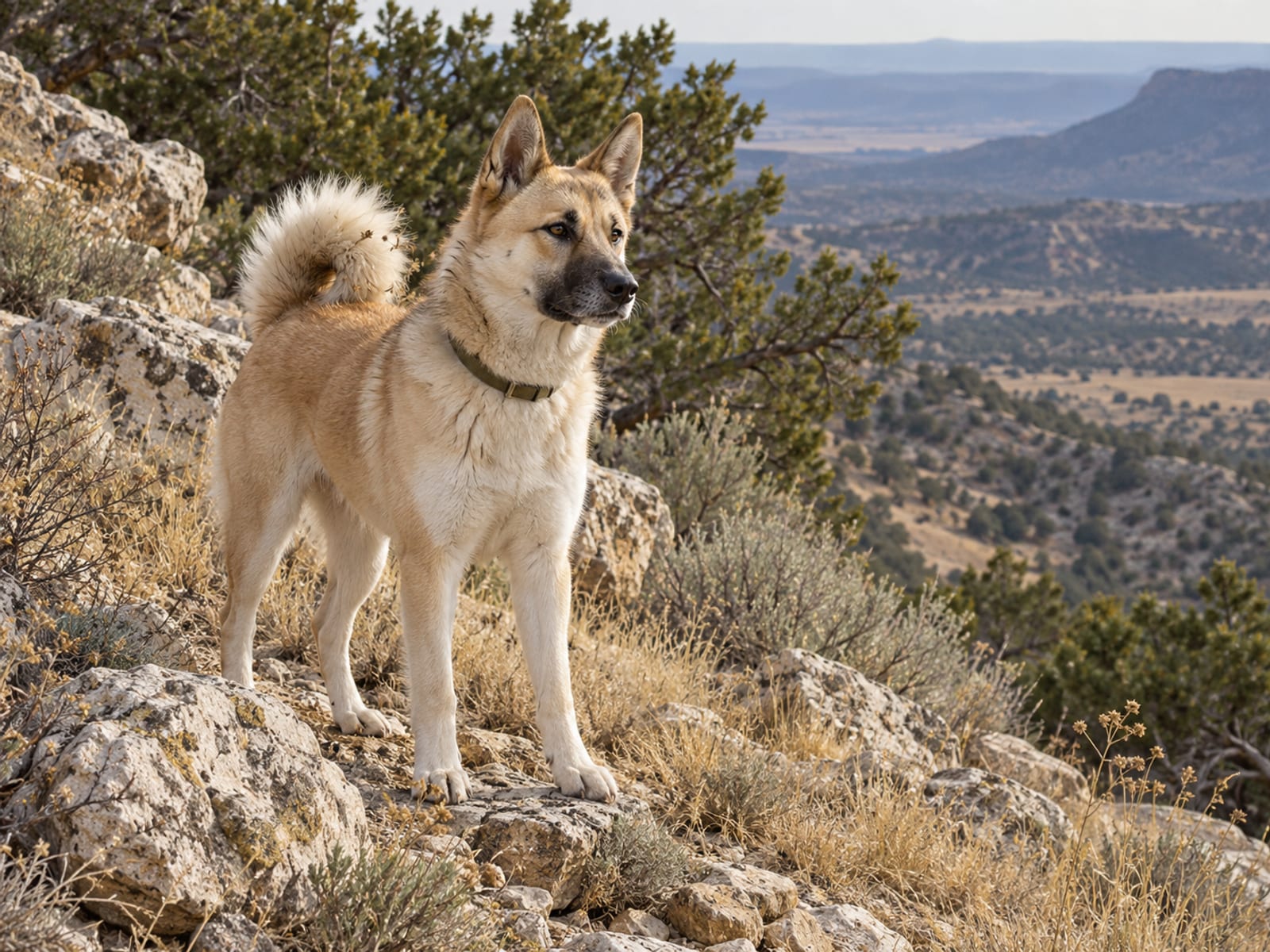
The Canaan Dog, at No. 193, is the most often registered of the ten. It is an ancient Middle Eastern pariah-type dog used for guarding camps and flocks, herding, sentry work and later military service. The AKC lists males at 20 to 24 inches and 45 to 55 pounds, and females at 19 to 23 inches and 35 to 45 pounds, with a life expectancy of 12 to 15 years. The straight, harsh double coat sheds seasonally and needs extra brushing during shedding periods.
Territorial behavior makes visitor routines and early socialization important. Canaan Dogs tend to be intelligent, alert, self-protective and reserved with unfamiliar people and dogs, and they are often vocal and persistent as guardians. Moderate exercise with training, tracking, nose work or dog sports suits them. Children and other pets need careful introductions and supervision. Screening includes patella, hip, elbow, eye and thyroid evaluations. The breed adapts to several living situations but is not suited to passive owners, chaotic homes or households expecting instant friendliness. For more working-style dogs, see working dog breeds.
How the ten compare at a glance
This table puts the main numbers side by side. Individual dogs vary around these breed ranges.
Tap or hover a row to highlight it.
| Breed | AKC 2025 rank | Weight | Lifespan | Coat and shedding | Exercise |
|---|---|---|---|---|---|
| BreedNorwegian Lundehund | AKC 2025 rank202 | Weight12 to 18 lb | Lifespan12 to 15 yrs | Coat and sheddingDense double coat, moderate shedding | ExerciseMedium to high |
| BreedSloughi | AKC 2025 rank201 | Weight35 to 50 lb | Lifespan10 to 15 yrs | Coat and sheddingShort, smooth, moderate shedding | ExerciseDaily, plus safe sprinting |
| BreedGrand Basset Griffon Vendéen | AKC 2025 rank200 | Weight40 to 45 lb | Lifespan12 to 14 yrs | Coat and sheddingRough double coat, moderate shedding | ExerciseHigh, with scent work |
| BreedHarrier | AKC 2025 rank199 | Weight45 to 60 lb | Lifespan12 to 15 yrs | Coat and sheddingShort, moderate shedding | ExerciseHigh |
| BreedChinook | AKC 2025 rank198 | Weight50 to 90 lb | Lifespan12 to 15 yrs | Coat and sheddingPlush double coat, seasonal shedding | ExerciseRegular |
| BreedCesky Terrier | AKC 2025 rank197 | Weight14 to 24 lb | Lifespan12 to 15 yrs | Coat and sheddingSilky wavy coat, needs clipping | ExerciseModerate |
| BreedBelgian Laekenois | AKC 2025 rank196 | Weight55 to 65 lb | Lifespan10 to 12 yrs | Coat and sheddingRough, tousled coat | ExerciseHigh |
| BreedAzawakh | AKC 2025 rank195 | Weight33 to 55 lb | Lifespan12 to 15 yrs | Coat and sheddingVery short, low to moderate shedding | ExerciseDaily, plus safe sprinting |
| BreedFinnish Spitz | AKC 2025 rank194 | Weight20 to 33 lb | Lifespan13 to 15 yrs | Coat and sheddingDense double coat, seasonal shedding | ExerciseModerate to high |
| BreedCanaan Dog | AKC 2025 rank193 | Weight35 to 55 lb | Lifespan12 to 15 yrs | Coat and sheddingHarsh double coat, seasonal shedding | ExerciseModerate |
Questions readers ask about rare dog breeds
These are the questions that come up most often when people start looking at unusual breeds.
What are the 10 rarest dogs in the world?
Rankings depend on the measurement used. By the AKC's 2025 U.S. registration list, the bottom ten are the Norwegian Lundehund, Sloughi, Grand Basset Griffon Vendéen, Harrier, Chinook, Cesky Terrier, Belgian Laekenois, Azawakh, Finnish Spitz and Canaan Dog. A worldwide claim needs a dated population estimate from a breed club or national registry.
What is the rarest dog breed right now?
In the United States, the Norwegian Lundehund ranked No. 202 of 202 breeds in the AKC's 2025 ranking. Elsewhere, the answer depends on which registry and which year you use.
What are the rarest dog breeds in the US?
Using AKC registration rank for 2025, the ten breeds above are the rarest recognized breeds in the country. The AKC explains that rarity can come from several causes, and that a breed rare here may be common in its homeland.
What dog costs $10,000?
A $10,000 price can reflect one particular dog, a bloodline, a location, a contract or a seller, so look for a named, dated source before accepting that a breed normally costs that much. Health and quality are separate from price. For ongoing costs, the AKC has a cost of owning a dog overview.
What is the most expensive dog?
Guinness World Records lists a red Tibetan Mastiff sold for 10 million Chinese yuan, reported as £945,000 or $1,513,417, in March 2011. That was a record sale.
What do you call a dog with no breed?
They are called mixed-breed dogs, or perros mestizos in Spanish, and sometimes dogs of no defined breed. A mestizo has parents or ancestry from more than one breed, or no documented breed at all. A dog can look like a breed without a verifiable pedigree. The AKC ranking leaves these dogs out because it counts registrations.
What are the rarest dog breeds in the world?
No single worldwide ranking exists for every breed. For readers in the United States, the clearest answer is the AKC's 2025 ranking, which measures U.S. registrations rather than world population. It starts with the Norwegian Lundehund, Sloughi, Grand Basset Griffon Vendéen, Harrier, Chinook, Cesky Terrier, Belgian Laekenois, Azawakh, Finnish Spitz and Canaan Dog.
If one of these breeds interests you
If you are leaning toward one of these breeds, start with the breed club's health statement, ask a local vet about experience with the breed and meet adult dogs of that breed if you can. For a first dog, our guide to the best breeds for first-time owners may fit better, and the full dog breeds library covers more options. The free Woof Wag Nation newsletter from Woof Wag Nation sends one practical dog guide each week,.
Sources
- AKC, Rarest Dog Breeds 2025
- AKC, Why Dog Breeds Are Rare
- AKC Rescue Network
- AKC, Genetic Testing for Dogs
- AKC, Breed Health Testing Requirements
- AKC, Norwegian Lundehund
- AKC, Norwegian Lundehund history
- AKC, Sloughi
- AKC, Grand Basset Griffon Vendéen
- AKC, Harrier
- AKC, Chinook
- AKC, Cesky Terrier
- AKC, Belgian Laekenois
- AKC, Azawakh
- AKC, Azawakh article
- AKC, Finnish Spitz
- AKC, Canaan Dog
- Guinness World Records, Most Expensive Dog
- AKC, Cost of Owning a Dog