

Breed list
10 Dog Breeds Known for Learning Quickly, and the Work a Clever Dog Needs
Border Collies, Poodles and eight more breeds learn fast. See Coren's 1994 trainability ranking, size, lifespan and the daily mental work each one needs.
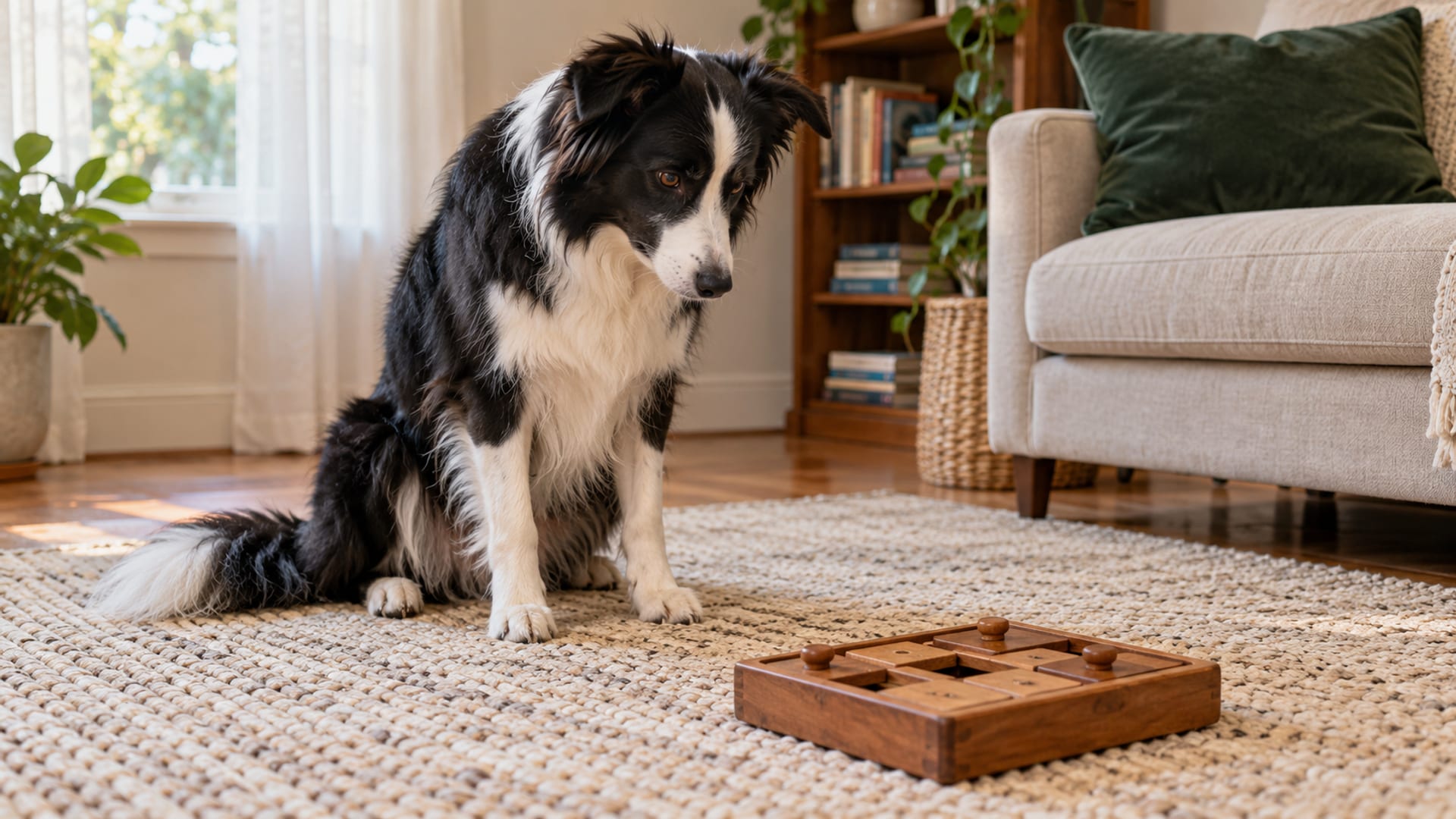
The fastest-learning breeds are usually Border Collies, Poodles, German Shepherd Dogs, Golden Retrievers, Doberman Pinschers, Shetland Sheepdogs, Labrador Retrievers, Papillons, Rottweilers and Australian Cattle Dogs. That is Stanley Coren's 1994 top ten for trainability, as AKC summarizes it. Dogs have no human-style IQ score. Each of these breeds needs daily mental work.
Key takeaways
Tap a card to bring it forward.
- Coren's 1994 ranking comes from a survey of obedience judges, so it measures how well dogs learn from people and follow trained cues.
- Border Collies rank first, followed by Poodles and German Shepherd Dogs.
- A quick learner picks up unwanted habits as fast as wanted ones, so plan short training sessions and safe outlets for breed-typical behavior.
- Herding breeds such as the Border Collie and Australian Cattle Dog need a job, not only a walk.
- Breed describes a tendency; early development, motivation and the bond with the trainer shape each dog.
- Reward-based training is the method veterinary behavior groups recommend.
You may be choosing a dog for training, for sports or for a busy household. The ten breeds below all learn quickly, and each one asks for something different once the lessons are learned.
What smart means in dogs
Dogs do not have a scientifically established human-style IQ score. What exists is a set of narrower measures, and the one behind this list is Stanley Coren's The Intelligence of Dogs (1994). Coren separated canine intelligence into three kinds: instinctive (what a dog was bred to do, such as herding or retrieving), adaptive (problem-solving and learning from experience) and working and obedience intelligence (learning from people and obeying trained cues).
His well-known breed ranking measures the third kind. It came from surveys of roughly 200 North American obedience judges. Dogs in his top tier learned a new command in fewer than five repetitions and obeyed a known command on the first try at least 95% of the time, according to AKC's summary of the ranking.
In practice, these ten breeds are quick to train and strong at the work they were bred for. A breed can be excellent at herding or scent work and still sit lower on an obedience list, and a dog from a breed that never made the list can shine at a particular task.
Newer research looks at memory, problem-solving and social learning. Arden and Adams (2016) found evidence of a general cognitive-performance factor in tested dogs, alongside large differences between individuals. MacLean and colleagues (2019) analyzed behavior data from more than 14,000 dogs across 101 breeds and found real breed-level differences with genetic links. Morrill and colleagues (2022) found that breed explained a limited share of individual behavior. Use breed as one useful clue about the dog in front of you.
What a clever dog needs from you each day
A fast-learning dog usually needs regular training, physical exercise and problem-solving. AKC's trainable-breeds guide points the same way. Short sessions spread through the day often work better than one long lesson, and daily needs vary by breed, age, health and working line.
Mental work can be scent games, food puzzles, retrieving, trick training, obedience, agility or learning useful house manners. For a herding or working breed, exercise alone rarely fills the day.
When a clever dog has too little to do, owners often see destructive chewing, nuisance barking, digging, escape attempts, chasing or herding of people and pets. The Merck Veterinary Manual notes that these behaviors can also come from anxiety, pain, poor sleep or gaps in training, so a vet visit is a sensible first step when a habit appears suddenly. DogServ can help you find training and care support.
For method, the American Veterinary Society of Animal Behavior recommends reward-based training for all dogs, using food, play, praise or access to something the dog wants. It advises against electronic collars, prong collars, choke chains, leash corrections and physical or psychological punishment. Reward-based training works best with clear cues, steady routines and management that prevents unwanted behavior from being practiced.
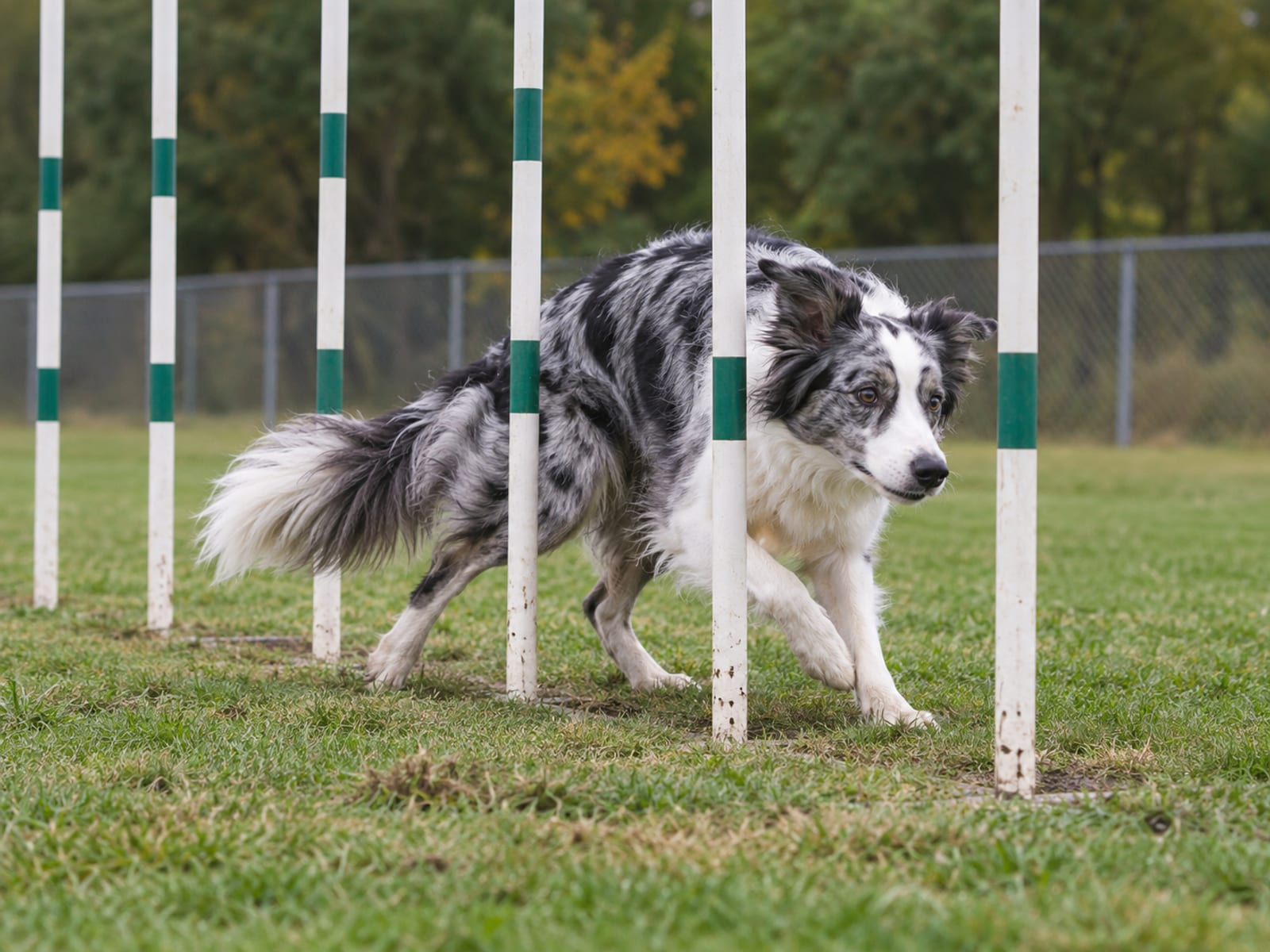
1. Border Collie
The AKC lists Border Collie males at 19 to 22 inches and females at 18 to 21 inches, about 30 to 55 pounds, with a life expectancy of 12 to 15 years. The coat is a rough or smooth double coat with moderate shedding, and weekly brushing is usually enough outside seasonal shedding. Hip dysplasia, epilepsy, collie eye anomaly and progressive retinal atrophy are the main health concerns to ask a breeder about.
Border Collies rank first in Coren's list, and one of them, Chaser, learned the names of 1,022 objects in published research. That result came from intensive training of one dog. It shows what the breed can learn when someone teaches it.
The practical point: a Border Collie needs a meaningful job, not merely a daily walk. Distance-based herding work and advanced problem-solving can satisfy it more than repetitive basic obedience. It suits you if you play dog sports or want a constant training partner. It is a hard fit for a sedentary home or an apartment without substantial daily outlets, and its herding instinct can mean chasing or nipping at children and pets.
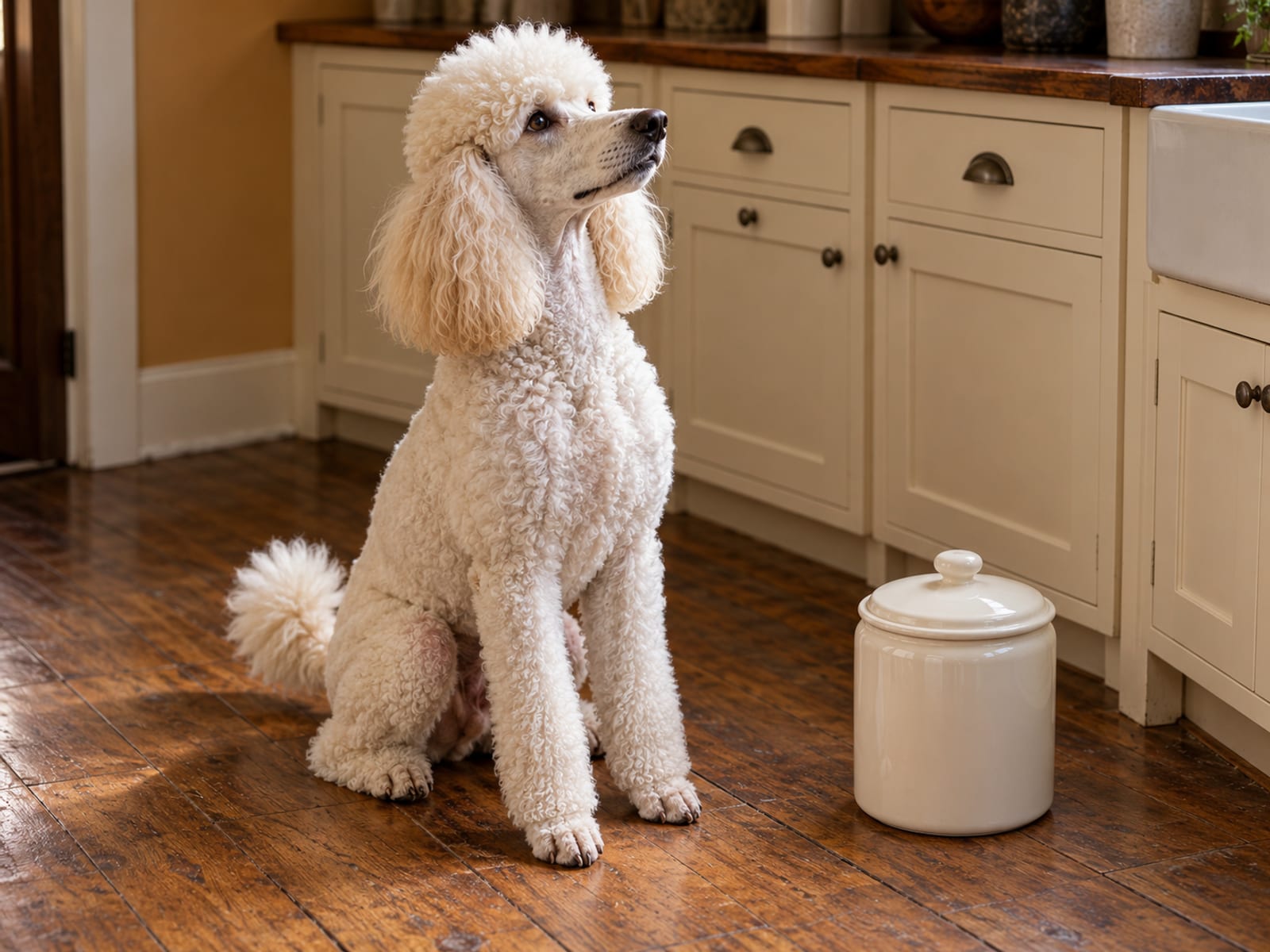
2. Poodle
Coren ranks the Poodle second. The AKC describes the Standard Poodle as standing over 15 inches and weighing roughly 40 to 70 pounds, and Poodle life expectancy runs 10 to 18 years depending on size. Poodles are active, people-oriented and alert, and they take to training easily.
The curly coat grows continuously and sheds little, yet it asks a lot of you. Professional grooming is commonly needed every 4 to 8 weeks, so low shedding does not mean low maintenance. Budget the time and money for coat care before you commit.
Health concerns include hip dysplasia, progressive retinal atrophy, sebaceous adenitis, von Willebrand disease and, in Standards, gastric dilatation-volvulus (bloat), an emergency where a vet should see the dog right away. Poodles can be vocal and may struggle with long days alone. A Standard Poodle can live in an apartment when exercise and mental work are part of the day. This breed suits people who like training, grooming routines and a dog that follows them from room to room.
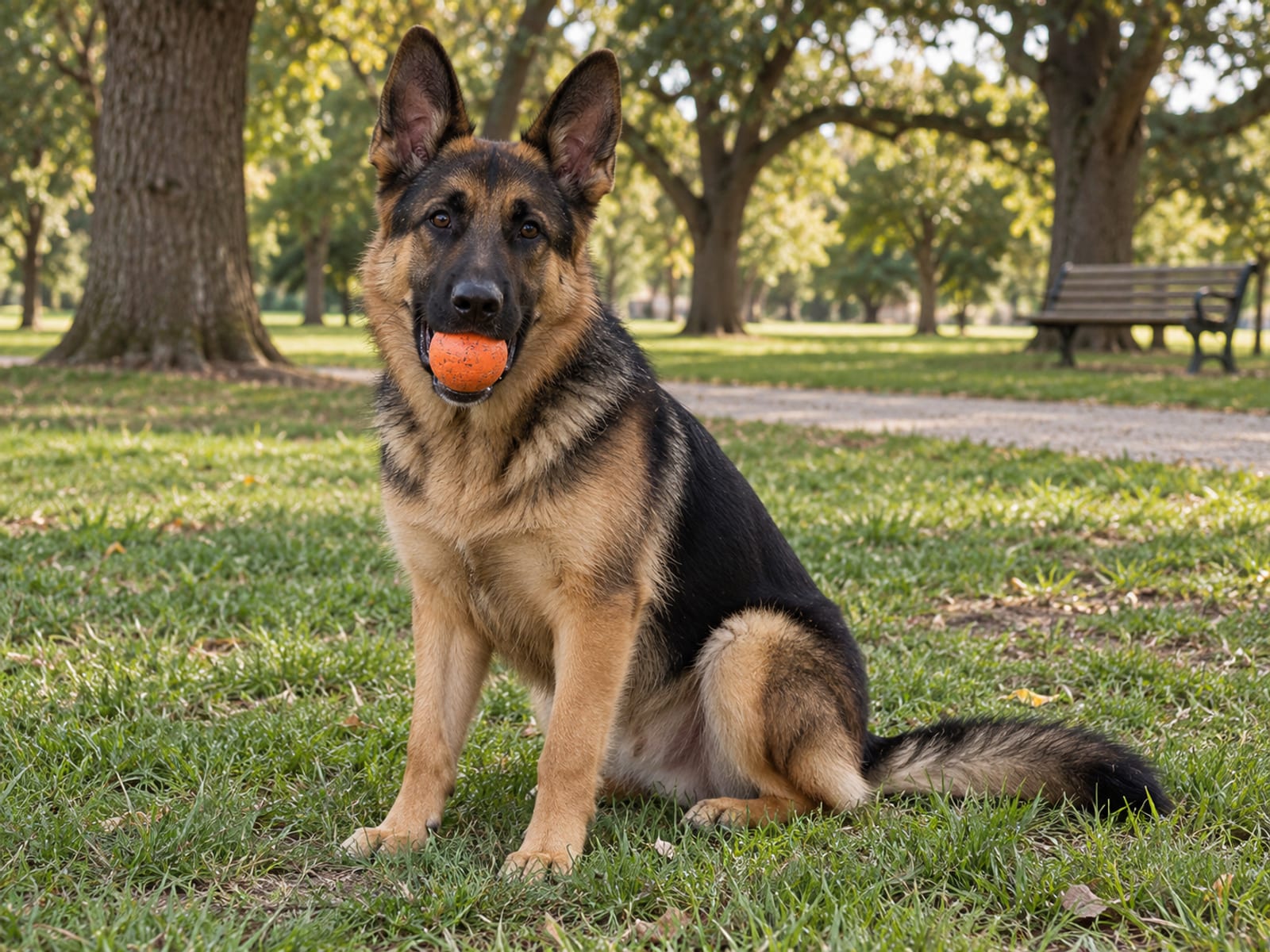
3. German Shepherd Dog
The AKC lists German Shepherd males at 24 to 26 inches and females at 22 to 24 inches, about 50 to 90 pounds, living 9 to 13 years. The dense double coat sheds moderately to heavily, so regular brushing belongs on your schedule. Hip and elbow dysplasia, degenerative myelopathy, exocrine pancreatic insufficiency and bloat risk are the health topics to raise with a breeder and your vet.
The breed is confident, courageous, intelligent and loyal. That protective streak is the distinctive practical point: structured socialization and management matter from puppyhood, because a sensitive, watchful dog needs wide, calm experience with people, places and sounds. Alert barking is common.
A German Shepherd suits an active owner who will train every day and keep the dog included in family life. It is less suited to long isolation, an inactive home or a first dog in an owner without training support. Apartment living takes serious daily work. Our guard dog breeds guide compares other watchful breeds.
4. Golden Retriever
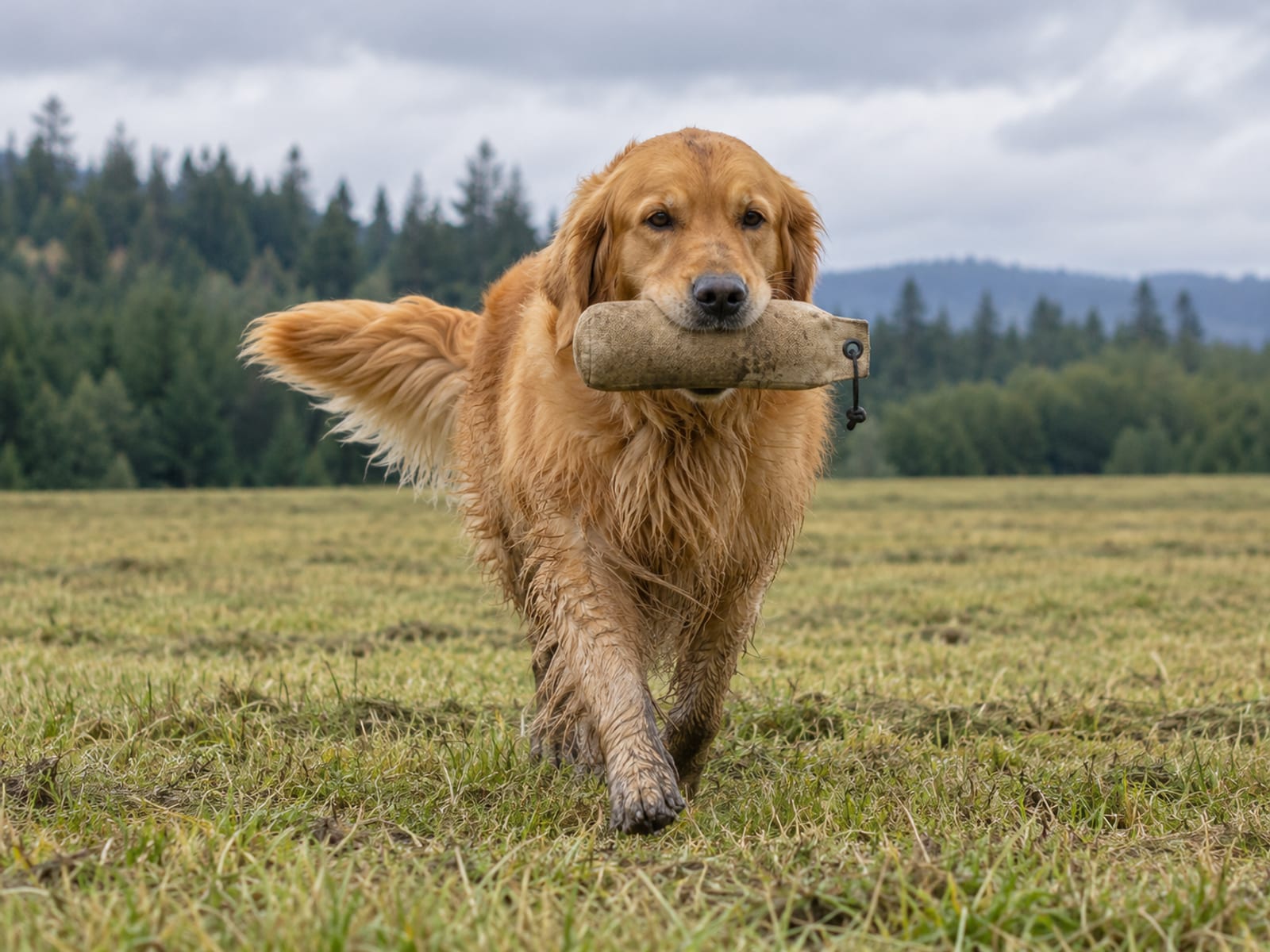
The AKC lists Golden Retriever males at 23 to 24 inches and females at 21.5 to 22.5 inches, at 55 to 75 pounds, living 10 to 12 years. The dense, water-repellent double coat sheds moderately and needs regular brushing. Hip and elbow dysplasia, cancer, pigmentary uveitis, heart disease and skin disease are the health concerns listed.
Goldens are eager to please, friendly and trainable. Their exercise needs are high but manageable, and they usually bark moderately. What stands out is how naturally retrieving, carrying and cooperative games fit their day. A game of fetch with a few trained cues folded in gives a Golden both exercise and training.
This breed is social, and many struggle with long stretches alone. Goldens commonly get along with children and other dogs, and apartment life can work with enough exercise. They are a poor match if you want a low-shedding or very independent dog. For more options, see our guide to family-friendly dog breeds.
5. Doberman Pinscher
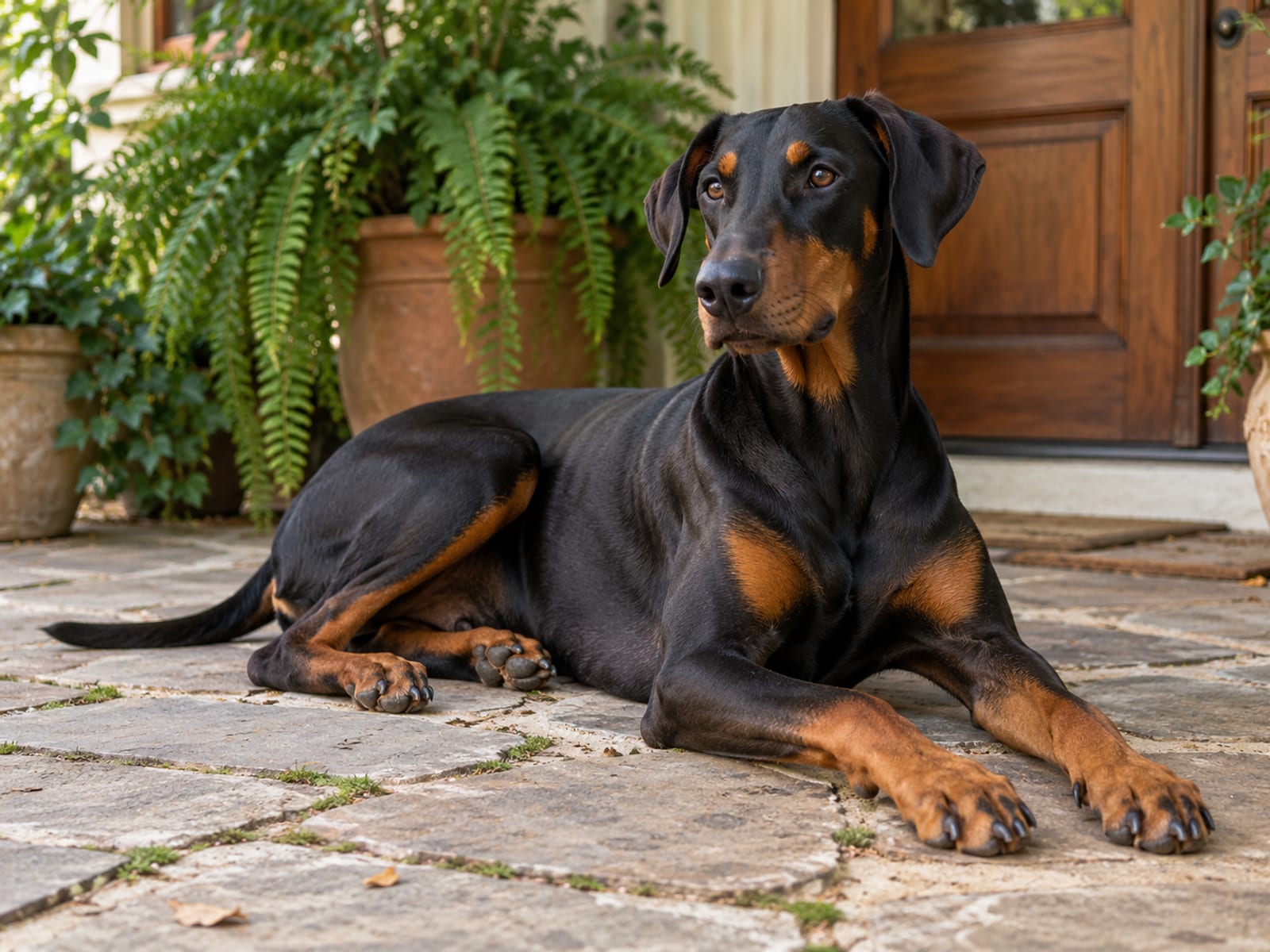
The AKC lists Doberman males at 26 to 28 inches and females at 24 to 26 inches, at 60 to 100 pounds, living 10 to 12 years. The short, smooth coat sheds lightly to moderately and needs minimal grooming. Dobermans are alert, loyal, fearless, watchful and highly trainable, with high exercise and mental-work needs.
The distinctive practical point is heart health. Dilated cardiomyopathy is a known concern, along with von Willebrand disease, cervical vertebral instability, hip dysplasia and hypothyroidism. Cardiac screening is an especially important part of responsible ownership, so ask a breeder about it and keep up with your vet's heart checks.
Alert barking can be significant. Dobermans often bond closely and may not tolerate long isolation. They can live with children and pets with careful socialization, and a well-exercised individual can manage an apartment. The breed suits a steady, experienced household with time for daily training, and chaotic homes or first-time owners without support will find it harder.
6. Shetland Sheepdog
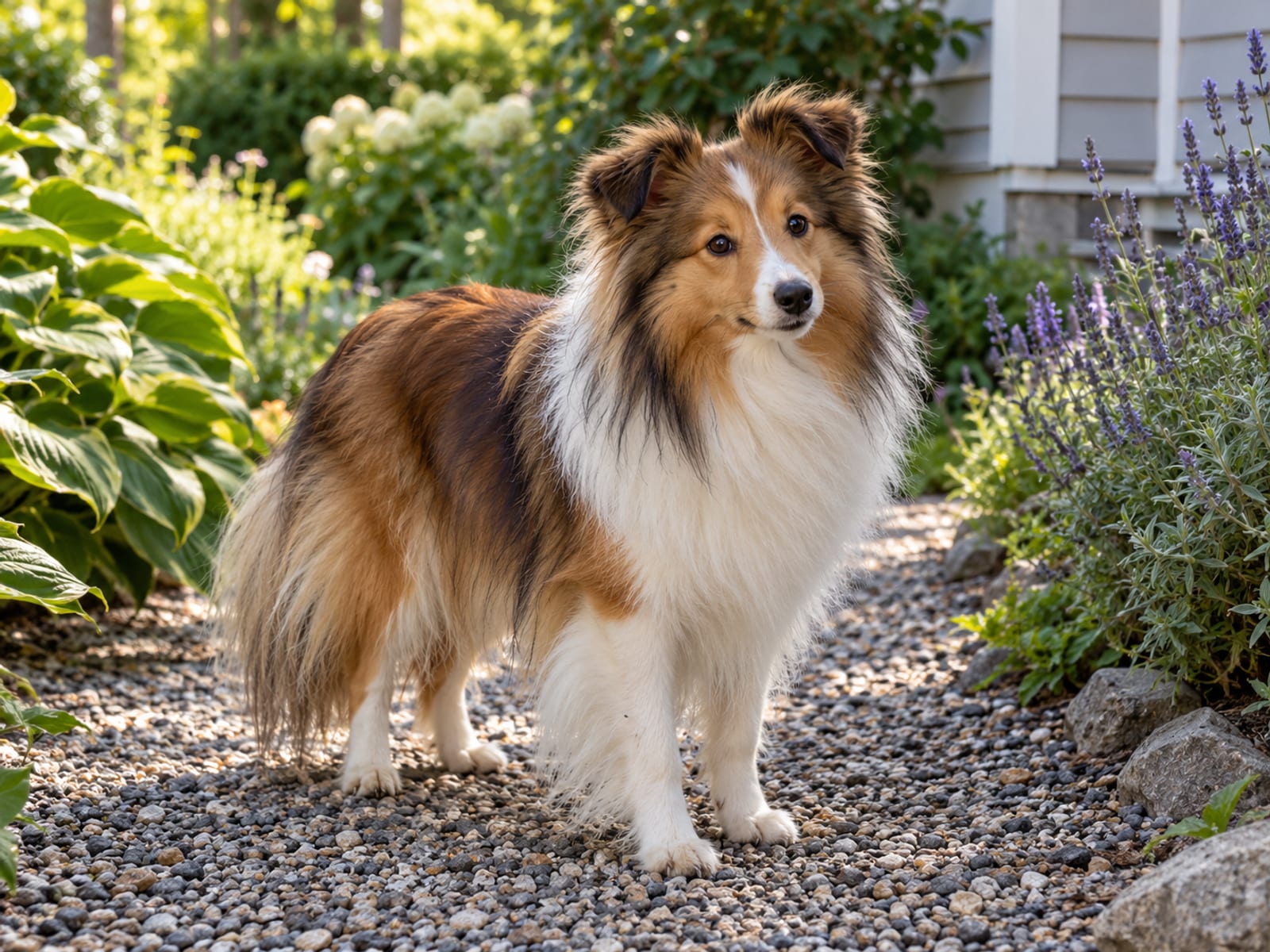
The AKC lists the Shetland Sheepdog at 13 to 16 inches for both sexes, about 15 to 25 pounds, living 12 to 14 years. The long double coat sheds heavily in season and needs brushing several times a week. Hip dysplasia, eye disease, dermatomyositis, von Willebrand disease and hypothyroidism are the health topics to raise.
Shelties are intelligent, affectionate and responsive, with high mental needs and moderate-to-high physical needs. They are often reserved with strangers. The central routine issue is barking. A Sheltie alert to every hallway sound can wear on shared walls, so early training for a quiet cue and plenty of exercise decide whether the breed fits an apartment or townhouse.
The breed suits a household that enjoys training, agility or obedience and can calmly manage sound. Shelties commonly do well with respectful children and pets, and may be sensitive to isolation. A noise-intolerant home is the poor fit. If space is tight, compare the options in our apartment dog breeds list.
7. Labrador Retriever
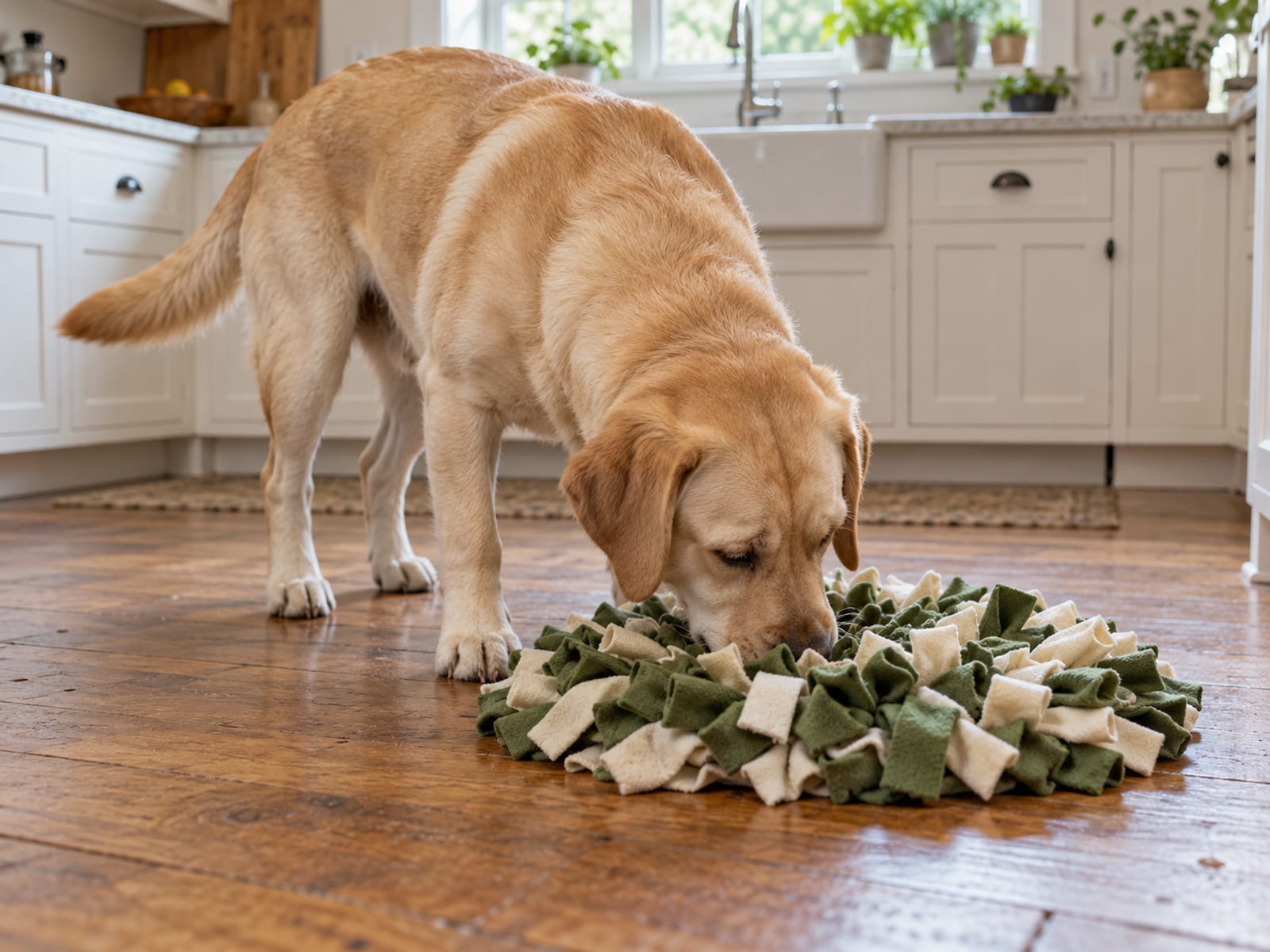
The AKC lists Labrador males at 22.5 to 24.5 inches and females at 21.5 to 23.5 inches, at 55 to 80 pounds, living 11 to 13 years. The short, dense double coat sheds moderately to heavily, and weekly brushing helps. Hip and elbow dysplasia, obesity, exercise-induced collapse, progressive retinal atrophy and other eye disease are the health concerns listed.
Labs are friendly, outgoing, eager to please and trainable, with high exercise needs, especially when young. Food motivation makes training easy, and it also creates a strong obesity risk. Measure meals, use part of the daily food ration as training rewards and keep treats small.
Labs are generally excellent with children and other dogs when socialized, usually bark moderately and are often poor at long isolation. They suit active families and sport-minded owners. Apartment living is possible but demanding, so the breed is a poor fit for homes unable to manage exuberant exercise and a dog that wants every snack.
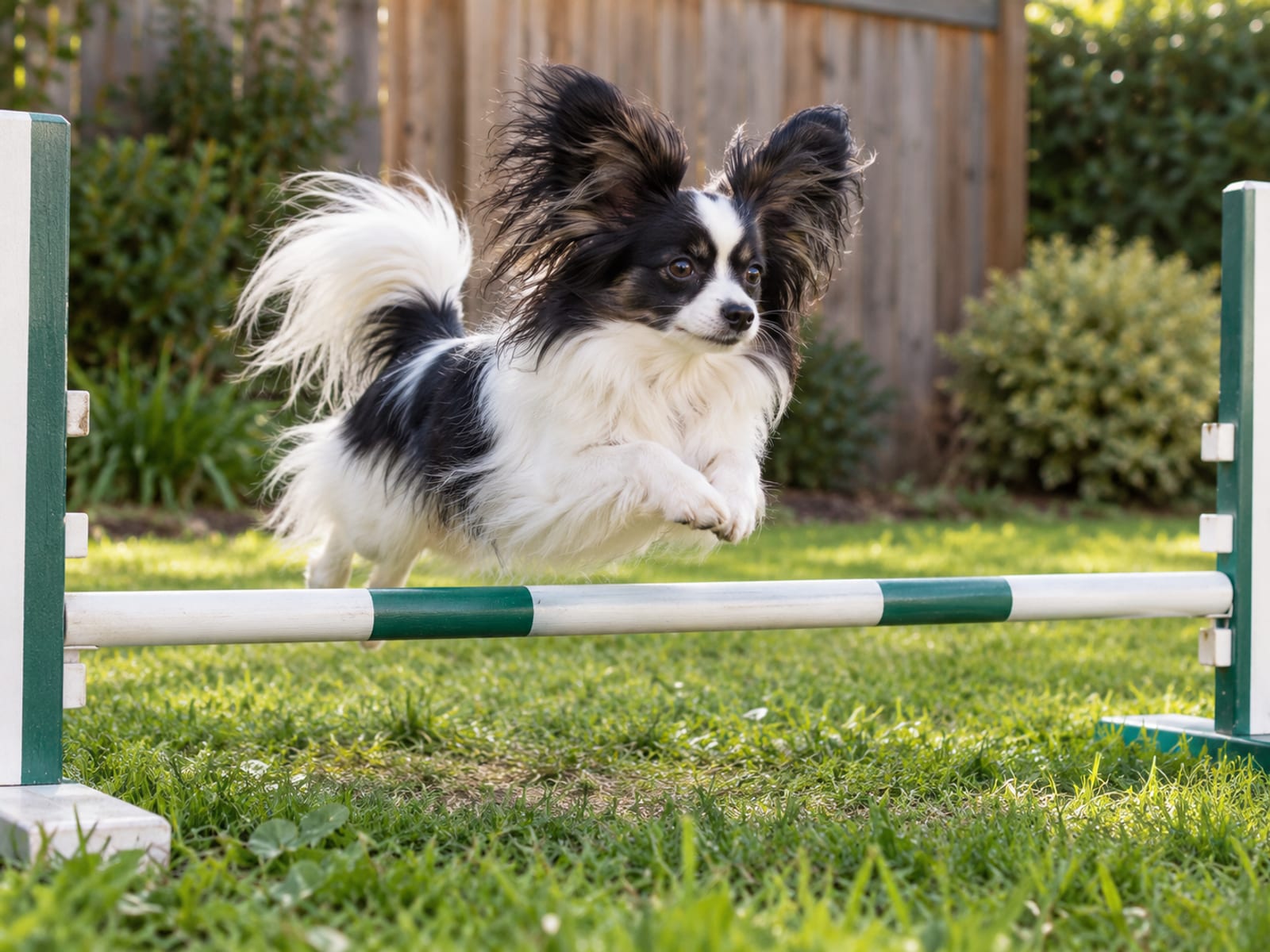
8. Papillon
The AKC lists the Papillon at 8 to 11 inches, approximately 5 to 10 pounds, living 14 to 16 years. The long, fine, single coat has fringes, sheds lightly to moderately and needs brushing several times a week. Patellar luxation, progressive retinal atrophy, dental disease and tracheal problems are the health concerns listed.
Papillons are surprisingly athletic and mentally active, alert, friendly and confident. Their small body makes them apartment-friendly, yet their training and activity needs remain substantial. A Papillon with nothing to do can become vocal and may be distressed when left alone.
This is a small dog for people who want a training partner in agility or obedience. Papillons are usually good with older, respectful children and compatible pets, and a poor fit for rough handling. Browse our small dog breeds guide to compare other compact choices.
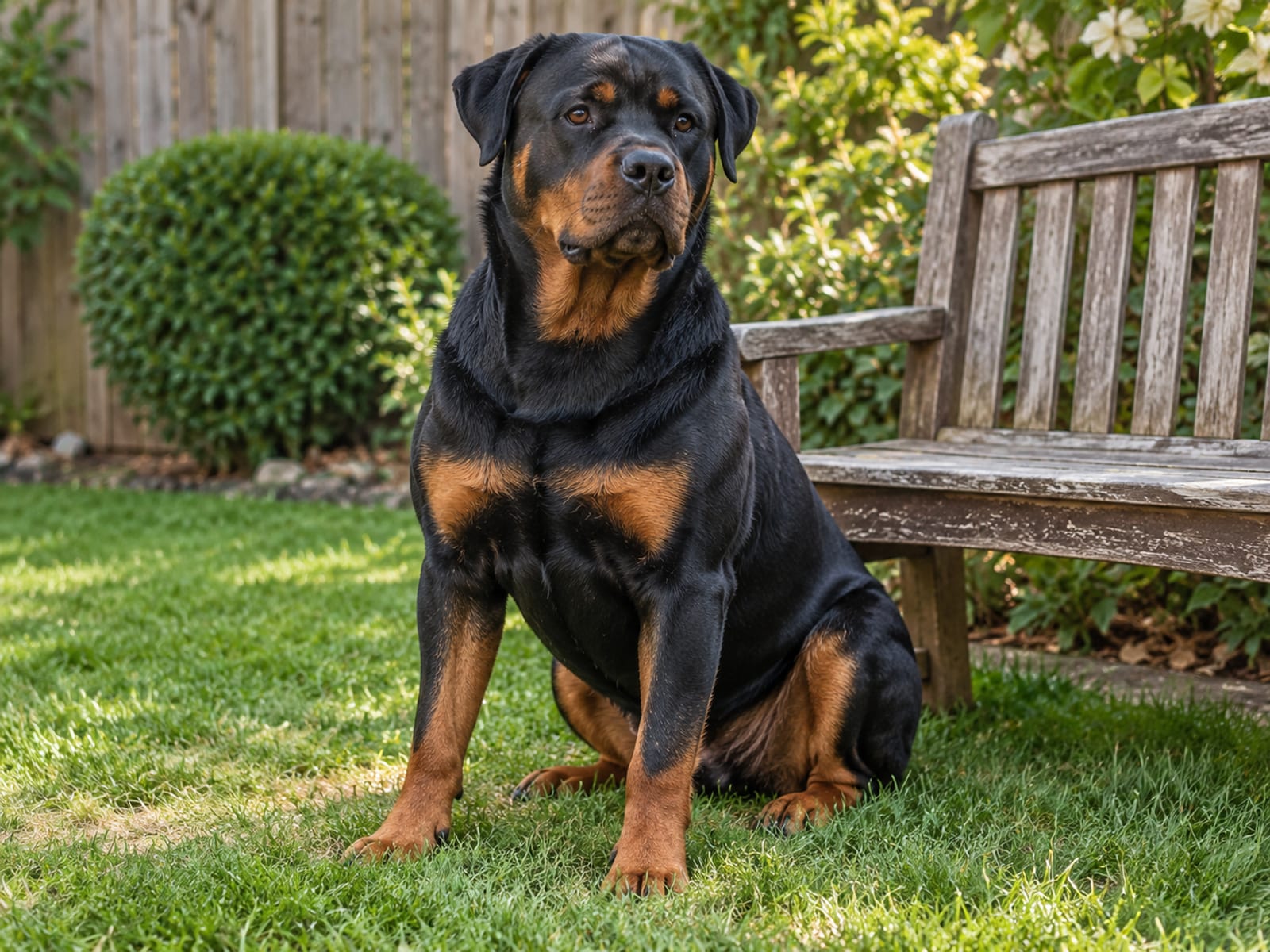
9. Rottweiler
The AKC lists Rottweiler males at 24 to 27 inches and females at 22 to 25 inches, about 80 to 135 pounds, living 9 to 10 years. The short double coat sheds moderately and brushes out weekly. Hip and elbow dysplasia, osteosarcoma, subaortic stenosis, cruciate disease and bloat risk are the health concerns listed.
The breed is confident, calm, protective and powerful, with moderate-to-high exercise and mental needs, and it responds to consistent handling. Size and strength make obedience and management essential: leash manners, door control and calm greetings need to be taught early, while the dog is still easy to handle.
Rottweilers bond closely, may not do well alone for long stretches and bark when alert. Children and other pets need careful socialization and supervision. Apartment living works only with strong management. The breed suits an owner who is physically prepared for a strong dog and committed to steady training, and less suits a first-time owner. See working dog breeds for related breeds.
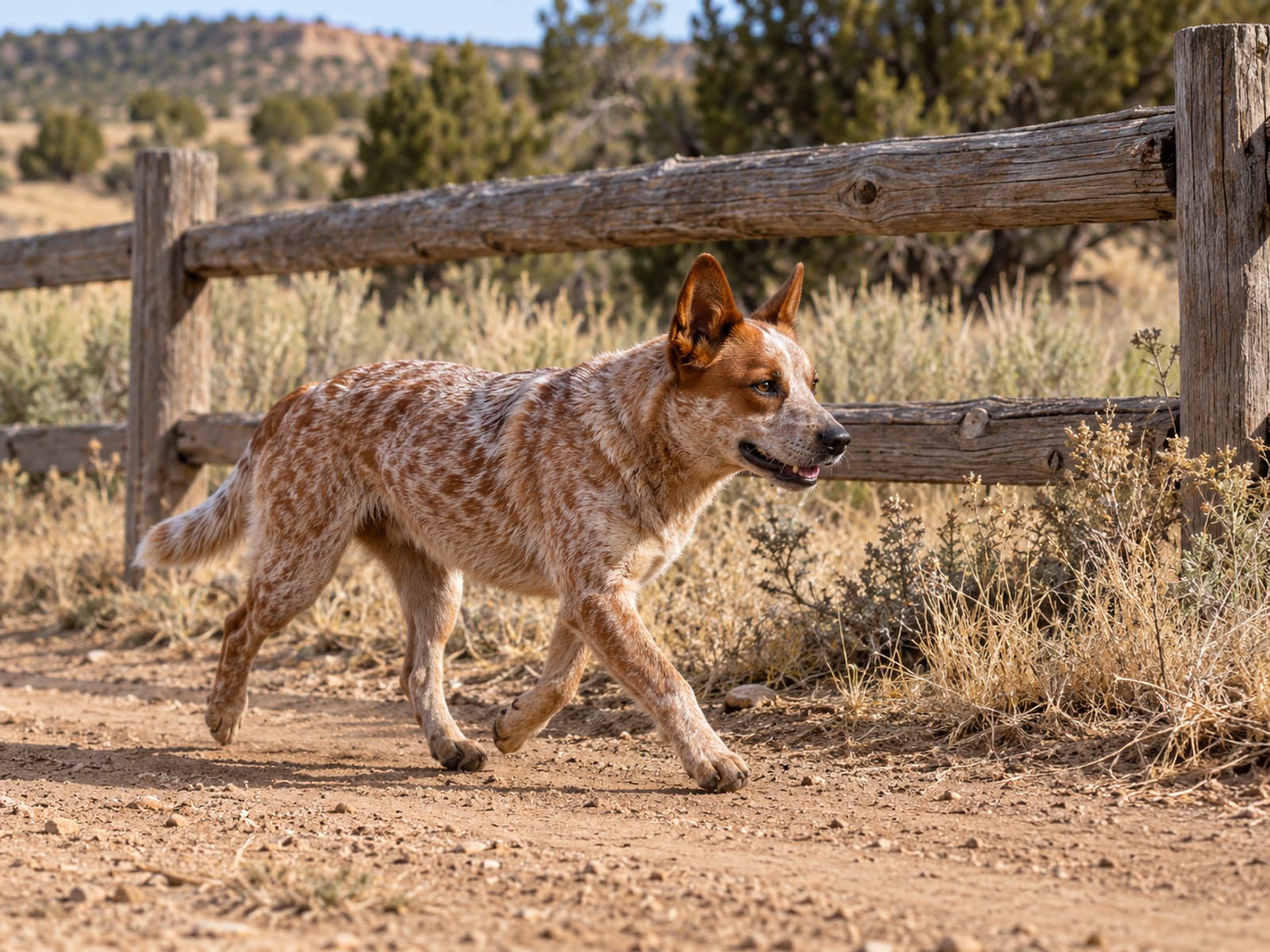
10. Australian Cattle Dog
The AKC lists Australian Cattle Dog males at 18 to 20 inches and females at 17 to 19 inches, at 35 to 50 pounds, living 12 to 16 years. The short, dense double coat sheds seasonally, with weekly brushing and more during shedding. Progressive retinal atrophy, deafness, hip dysplasia and elbow dysplasia are the health concerns listed.
This dog is alert, intelligent, loyal, energetic and independent, with very high exercise and mental-work needs. When it is under-employed, it can bark and turn destructive.
The distinctive practical point is movement-sensitive herding behavior. A cattle dog may chase or nip at running children, cats and other dogs, so you need a plan: teach a reliable "leave it," give it a herding or fetch-type outlet and supervise play. The breed often does poorly with long isolation. It suits an active owner with a training habit and a home with structure. A sedentary, novice or low-structure home is a poor match, and an apartment is difficult.
The ten breeds side by side
The ten compare like this on size, lifespan, coat and exercise.
Tap or hover a row to highlight it.
| Breed | Weight | Lifespan | Coat and shedding | Exercise |
|---|---|---|---|---|
| BreedBorder Collie | WeightAbout 30 to 55 lb | Lifespan12 to 15 years | Coat and sheddingRough or smooth double coat, moderate | ExerciseVery high |
| BreedPoodle (Standard) | WeightRoughly 40 to 70 lb | Lifespan10 to 18 years by size | Coat and sheddingCurly, low shedding, grooming every 4 to 8 weeks | ExerciseHigh |
| BreedGerman Shepherd Dog | WeightAbout 50 to 90 lb | Lifespan9 to 13 years | Coat and sheddingDense double coat, moderate to heavy | ExerciseHigh |
| BreedGolden Retriever | Weight55 to 75 lb | Lifespan10 to 12 years | Coat and sheddingDense double coat, moderate | ExerciseHigh but manageable |
| BreedDoberman Pinscher | Weight60 to 100 lb | Lifespan10 to 12 years | Coat and sheddingShort, smooth, low to moderate | ExerciseHigh |
| BreedShetland Sheepdog | WeightAbout 15 to 25 lb | Lifespan12 to 14 years | Coat and sheddingLong double coat, heavy in season | ExerciseModerate to high |
| BreedLabrador Retriever | Weight55 to 80 lb | Lifespan11 to 13 years | Coat and sheddingShort, dense, moderate to heavy | ExerciseHigh, especially young |
| BreedPapillon | WeightAbout 5 to 10 lb | Lifespan14 to 16 years | Coat and sheddingLong, fine single coat, light to moderate | ExerciseAthletic and mentally active |
| BreedRottweiler | WeightAbout 80 to 135 lb | Lifespan9 to 10 years | Coat and sheddingShort double coat, moderate | ExerciseModerate to high |
| BreedAustralian Cattle Dog | Weight35 to 50 lb | Lifespan12 to 16 years | Coat and sheddingShort, dense, seasonal | ExerciseVery high |
If you are still deciding between a fast learner and an easier routine, our guides to first-time-owner breeds and low-maintenance breeds cover other fits. The full dog breed directory lists more.
Questions about the smartest dog breeds
Dog intelligence and training raise the same handful of questions again and again, and short answers follow.
What dog breed has the highest IQ?
Dogs have no human-style IQ score, so no breed holds the highest one. Border Collies rank first in Stanley Coren's 1994 working and obedience ranking, which measures how quickly dogs learn commands and obey them. A Border Collie usually learns commands fast and responds consistently.
What is the top 10 smartest dog breed?
The commonly cited Coren top ten are Border Collie, Poodle, German Shepherd Dog, Golden Retriever, Doberman Pinscher, Shetland Sheepdog, Labrador Retriever, Papillon, Rottweiler and Australian Cattle Dog. The first three are the answer to "the 3 smartest breeds" under that ranking: Border Collie, Poodle and German Shepherd Dog.
What are the 12 smartest dogs?
Under Coren's working and obedience ranking, ranks 11 and 12 are the Pembroke Welsh Corgi and the Miniature Schnauzer. They follow the ten breeds above.
What is the top 20 smartest dog?
Coren's next group, depending on the edition, includes the Pembroke Welsh Corgi, Miniature Schnauzer, English Springer Spaniel, Belgian Tervuren, Schipperke, Belgian Sheepdog, Collie, Keeshond, German Shorthaired Pointer and Flat-Coated Retriever, per Coren. Treat the order as Coren's obedience ranking.
What are the 10 least intelligent dogs?
Coren's lower obedience ranks mark dogs that respond more slowly or less consistently to human commands. Independent problem-solving, instinctive skill and motivation can be strong in those dogs. Afghan Hounds, for example, often sit lower in obedience rankings and are still capable dogs, so choose by the work and routine you want.
What's the hardest dog to train?
Training difficulty comes from the match between dog and household. Independence, low interest in rewards, fear, pain, inconsistent handling and unmet needs can all slow learning. Finding the reward a dog loves and training in short, regular sessions helps most, and a qualified trainer or DogServ can help with the rest.
What are the top 5 most loyal dogs?
Loyalty has no standard breed score. AKC breed pages describe German Shepherd Dogs, Doberman Pinschers, Rottweilers, Labrador Retrievers and Golden Retrievers as devoted, bonded or people-oriented. Individual temperament varies within each breed.
Which dog is most ADHD?
Veterinary behavior uses terms such as hyperactivity, impulsivity or hyperkinesis for particular clinical situations. Border Collies, Australian Cattle Dogs and Belgian Malinois can look intensely active because they were bred for demanding work. A vet can look at a dog that seems unable to settle, and a daily job often helps a high-energy working breed.
Where to go from here
If you want a smart dog that also keeps up on long days outside, our active dog breeds list is a good next read. Woof Wag Nation has more breed guides in the dog breeds library, and the free Woof Wag Nation newsletter sends one practical dog guide each week,.
Sources
- Stanley Coren, The Intelligence of Dogs (1994), HarperCollins
- American Kennel Club, Measuring Canine Intelligence: Ranking the Smartest Dog Breeds
- American Kennel Club, 13 of the Most Trainable Dog Breeds
- Arden and Adams, A general intelligence factor in dogs, Animal Cognition (2016)
- Pilley and Reid, Border collie comprehends object names as verbal referents, Behavioural Processes (2011)
- MacLean et al., Highly heritable and functionally relevant breed differences in dog behaviour, Proceedings of the Royal Society B (2019)
- Morrill et al., Ancestry-inclusive dog genomics challenges popular breed stereotypes, Science (2022)
- Merck Veterinary Manual, Behavior Problems of Dogs
- American Veterinary Society of Animal Behavior, Position Statement on Humane Dog Training (2021)
- AKC, Border Collie
- AKC, Poodle
- AKC, German Shepherd Dog
- AKC, Golden Retriever
- AKC, Doberman Pinscher
- AKC, Shetland Sheepdog
- AKC, Labrador Retriever
- AKC, Papillon
- AKC, Rottweiler
- AKC, Australian Cattle Dog