

Breed list
7 Active Dog Breeds for People Who Love to Move
Border Collie, Aussie, Malinois, Vizsla, Weimaraner, Husky and Lab: exercise needs, mental work, safe running ages and workday tips for each.
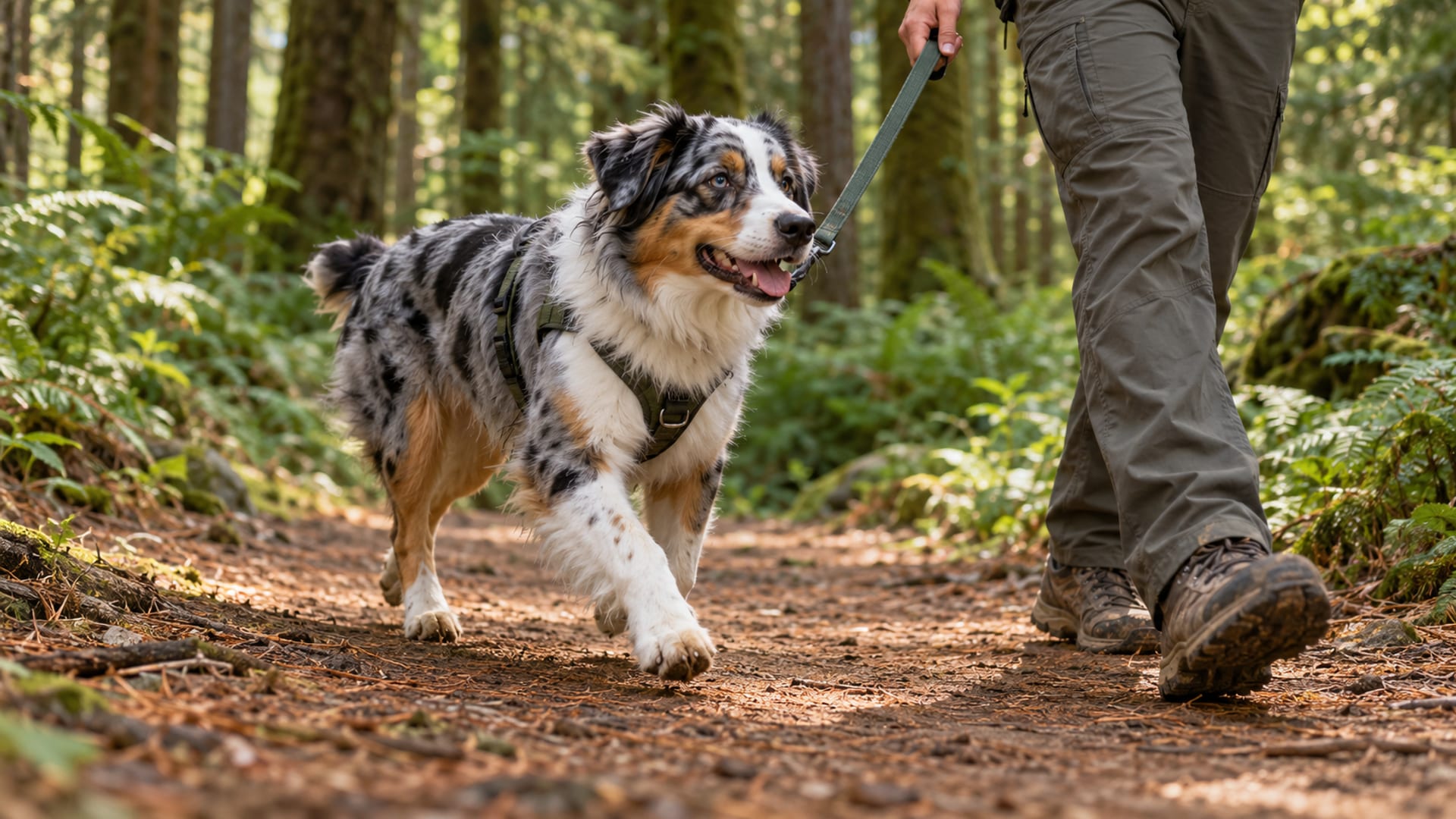
Border Collies, Australian Shepherds, Belgian Malinois, Vizslas, Weimaraners, Siberian Huskies and Labrador Retrievers are the seven breeds below for people who run, hike, cycle or play dog sports. Match the breed to your activity, the mental work it needs and how long it can stay home, and build exercise gradually after the dog matures.
If you run, hike, cycle or play a dog sport, the useful questions are practical. How much exercise and mental work does each breed need, when can a young dog start running, and what does a Tuesday look like when you work a full day? The seven breeds below answer those in turn.
Key takeaways
Tap a card to bring it forward.
- Each breed here needs both physical exercise and mental work, and the mix differs: herding and training for the Border Collie, retrieving and swimming for the Labrador.
- Sustained running, long hikes and hard-surface jogging wait until the dog is physically mature and a veterinarian approves the plan.
- Skeletal maturity is roughly 6 to 9 months for small breeds, 12 months for medium, 16 to 18 months for large and 18 to 24 months for giant breeds.
- Vizslas, Malinois and Huskies need a plan for the workday, such as a morning outlet and a midday walker.
- Check the pavement with your own hand; if you cannot hold it there for 10 seconds, it is too hot for paws.
What makes a dog an active breed
Active breeds, as grouped by the American Kennel Club, were developed for sustained work such as herding, hunting, retrieving, sled work or working with a handler. They need substantial exercise, stamina and mental work, and once physically mature each can join in running, hiking, cycling, swimming, retrieving or dog sports.
Each also has a trait that matters in an ordinary household: alone-time tolerance, prey drive, heat sensitivity, training intensity or grooming. The seven cover different active lifestyles, from a herding athlete to a sled-dog specialist, so you can match the dog to the activity you really do. All seven also appear among the breeds registered in the U.S. in 2025.
1. Border Collie
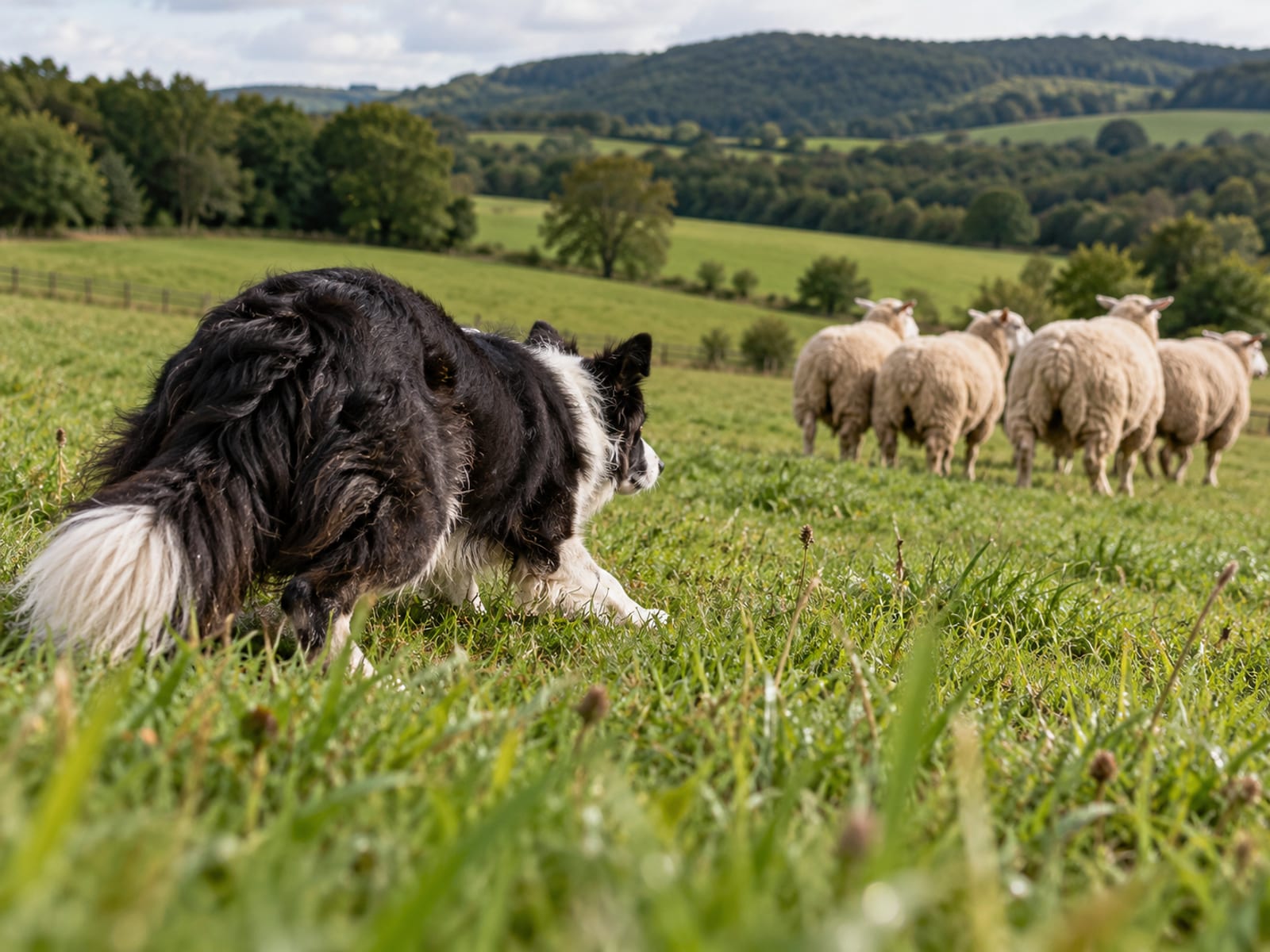
The Border Collie stands 19 to 22 inches (males) or 18 to 21 inches (females) and weighs 30 to 55 pounds, with a life expectancy of 12 to 15 years. The rough or smooth double coat is dense and weather resistant; expect regular shedding, heavier in season, and brushing once or twice a week.
The mental workload can be as demanding as the physical one. A long walk alone may not be enough; the breed needs vigorous daily exercise plus a job or structured problem-solving, such as agility, herding, obedience, tracking or flyball. It is exceptionally intelligent, highly trainable, affectionate with family and often reserved with strangers, with a strong herding instinct that may show up as chasing or controlling children and animals. Barking can rise when the dog is bored. This breed suits people with time for daily training, and it is a poor fit for owners who travel often or want a low-maintenance companion. Hip dysplasia, progressive retinal atrophy, collie eye anomaly and epilepsy are among the listed health concerns.
2. Australian Shepherd
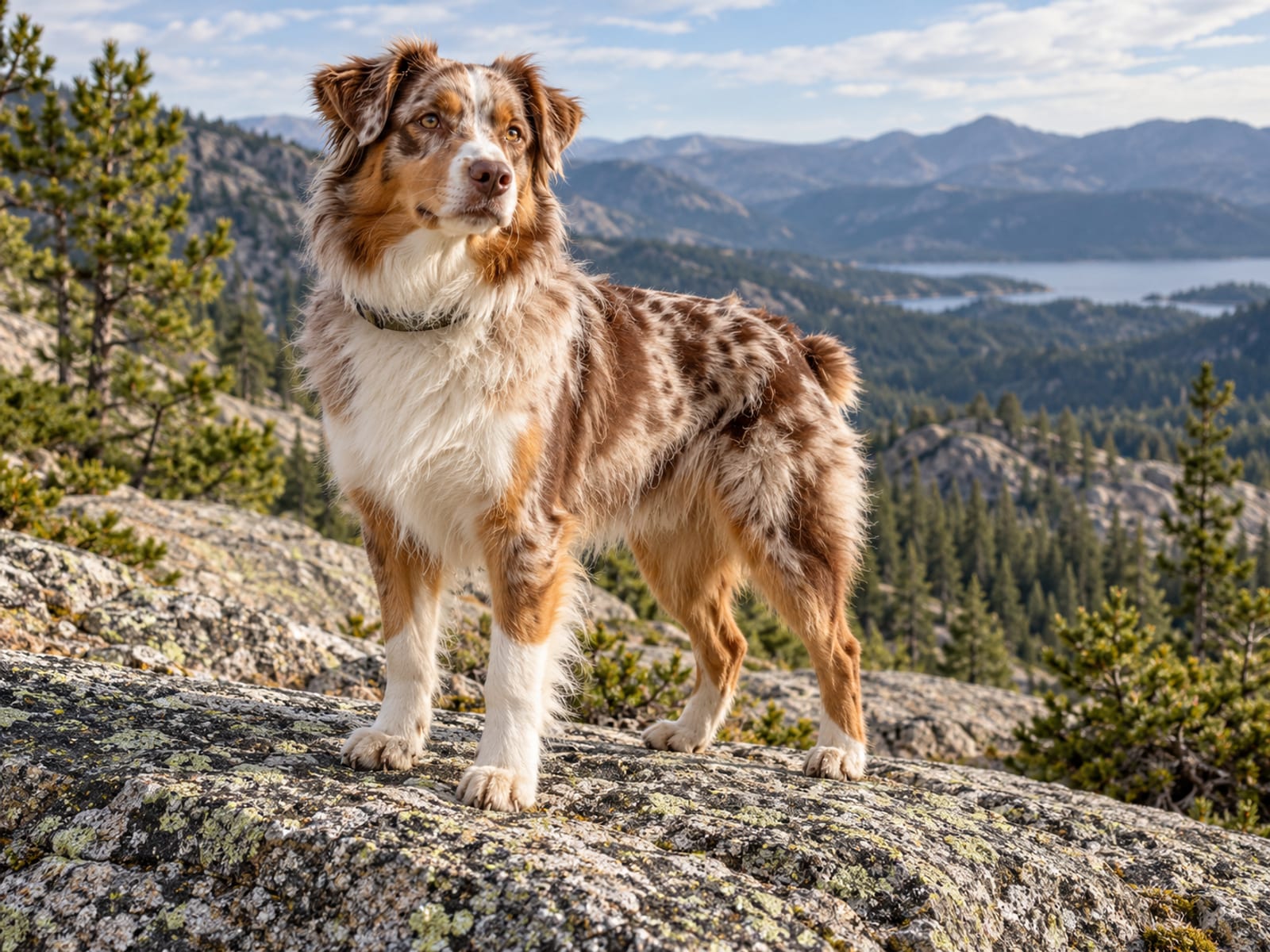
The Australian Shepherd comes in two sizes: males 20 to 23 inches and 50 to 65 pounds, females 18 to 21 inches and 40 to 55 pounds. Life expectancy is 12 to 15 years. AKC puts its exercise needs at about one to two hours of daily running or equivalent activity, plus training or a canine sport such as herding, obedience, agility, dock diving or hiking.
Coat care is the distinctive practical point. The medium-length, waterproof double coat sheds regularly and more heavily in season, calling for weekly brushing and every two or three days during heavy shedding, and outdoor days commonly bring in dirt, burrs and debris. The temperament is intelligent, work-oriented and closely bonded, sometimes territorial or overprotective, and the dog may herd children. Hip dysplasia, elbow dysplasia and inherited eye disorders are the main screening concerns. Aussies suit people who want a sport partner, and they are a harder match for homes where the dog is expected to exercise alone in a yard or stay home through long workdays.
3. Belgian Malinois
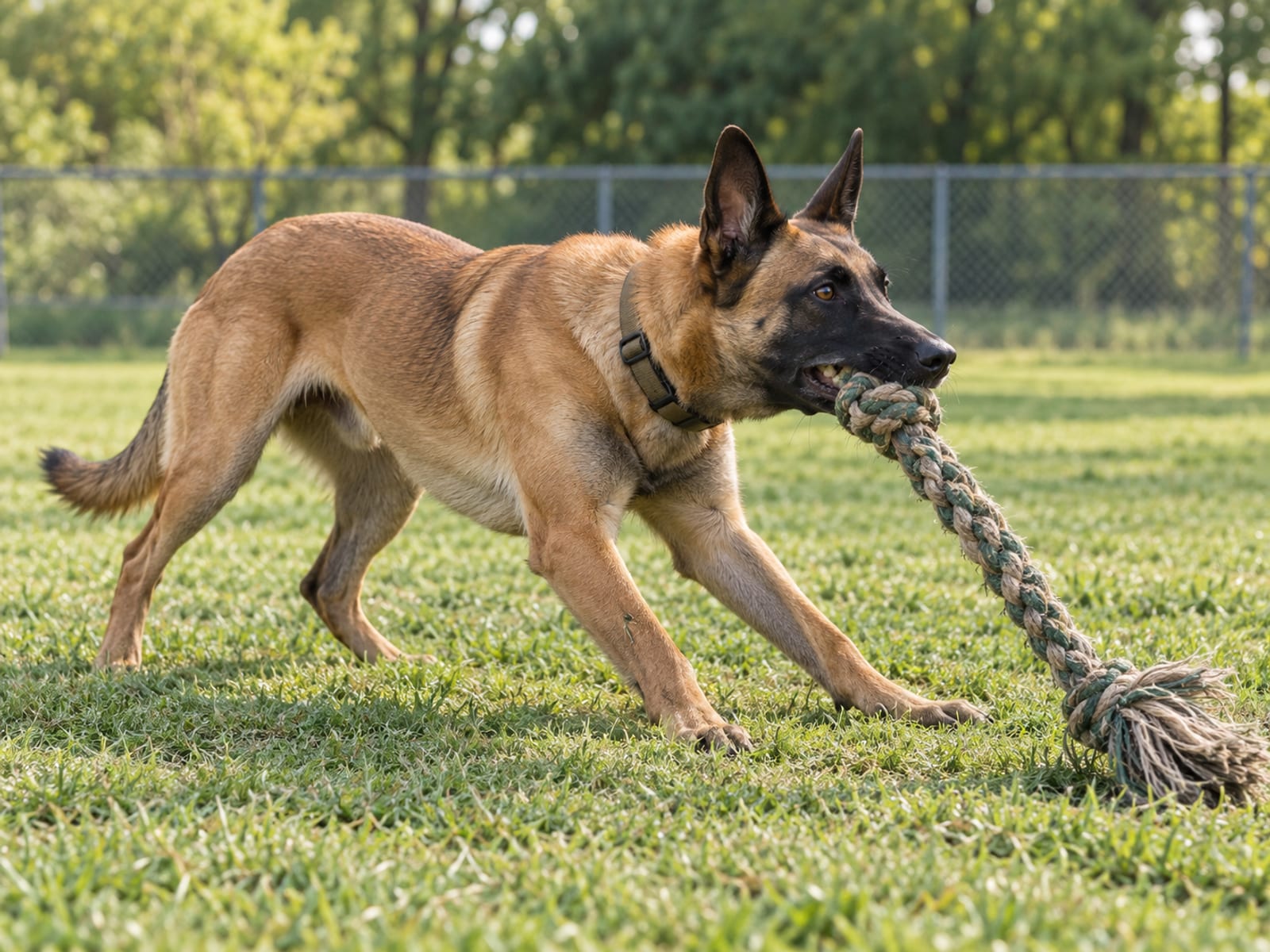
The Belgian Malinois stands 24 to 26 inches and weighs 60 to 80 pounds (males), or 22 to 24 inches and 40 to 60 pounds (females). Life expectancy is 14 to 16 years. The short, waterproof coat sheds regularly, with heavier shedding twice a year, and daily brushing helps during those periods.
This dog needs more than daily exercise. The breed needs a working relationship with its owner: close engagement, training and purposeful work, with running, hiking, biking, agility, tracking, herding and obedience as options for suitable dogs. It is confident, intelligent, hardworking and devoted, with strong prey drive and interest in moving objects. AKC lists it as not well suited to first-time owners, and apartment living is generally difficult. Alone tolerance is poor. Careful socialization and supervision matter around children and pets. Hip dysplasia, elbow dysplasia and some eye problems are listed. It fits experienced handlers; see working dog breeds for context.
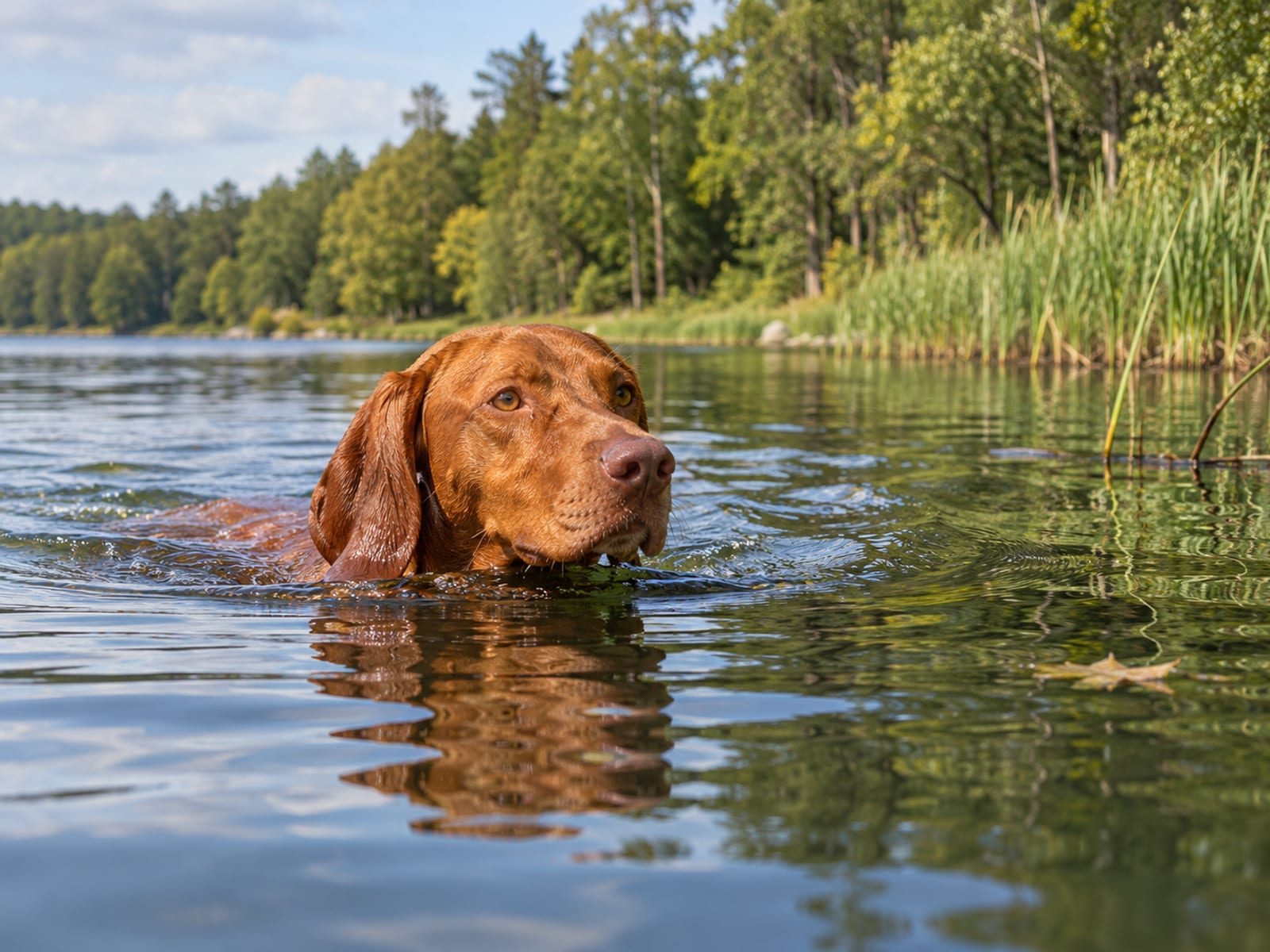
4. Vizsla
The Vizsla stands 21 to 24 inches at the shoulder and lives about 12 to 15 years. The short, sleek coat has no undercoat, sheds lightly to moderately and needs only occasional brushing, plus regular nail, ear and teeth care.
The breed's "velcro" attachment makes it a strong partner for people who want a dog in every part of the day, and a poor match for frequent solitude. AKC gives at least 30 minutes of active exercise daily, with many Vizslas needing much more, including regular chances to run hard. It is intelligent, curious, sensitive, affectionate and generally eager to learn, but untrained dogs can be hard to manage and vocal behavior can rise with frustration or isolation. Prey drive calls for management around small pets. Hip dysplasia, epilepsy, eye disorders, seasonal allergies, ear infections and cancer are the listed concerns. A Vizsla suits runners and hikers who work from home or can arrange company during the day.
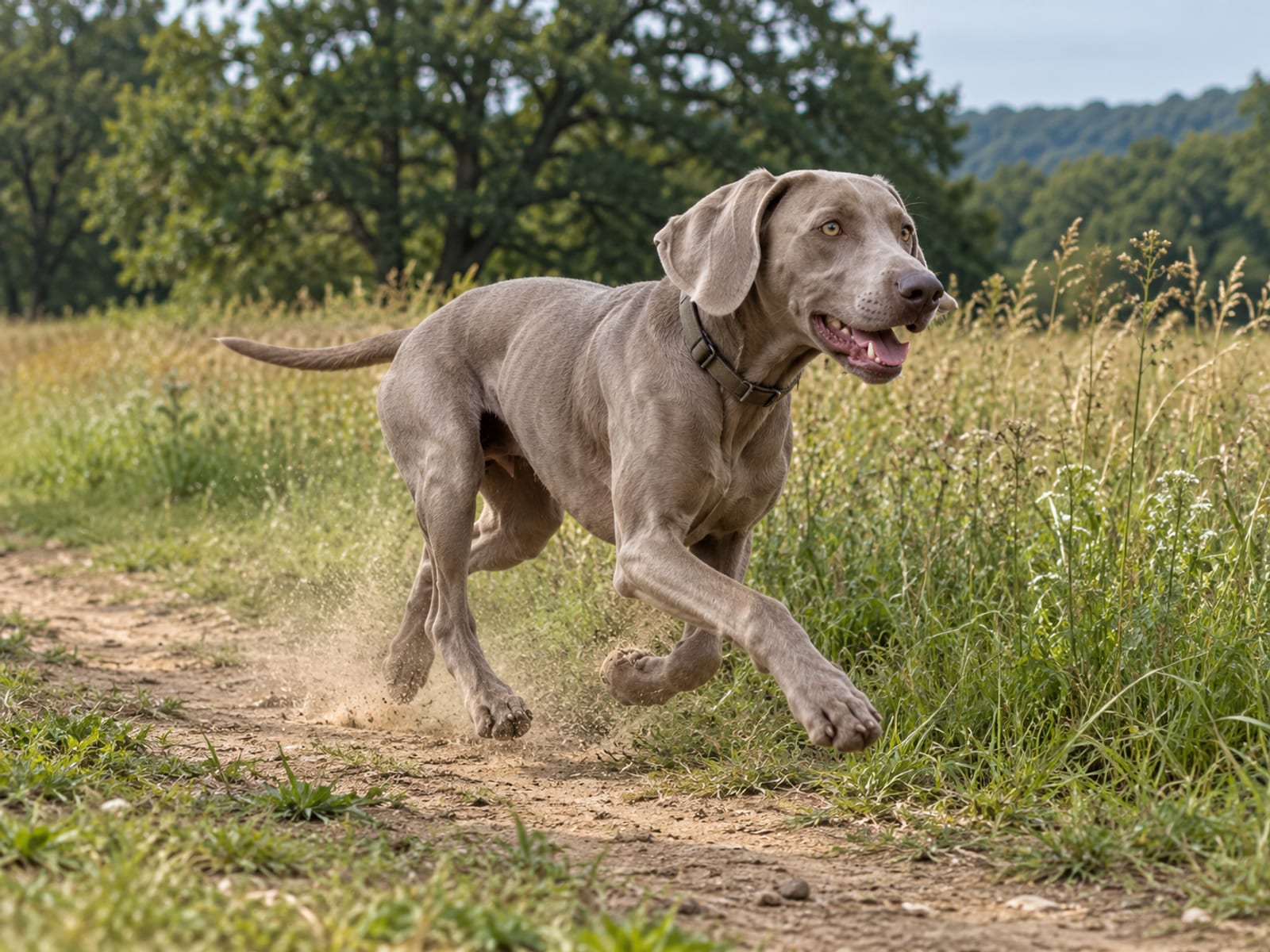
5. Weimaraner
The Weimaraner is a powerful running and hunting companion, with males at 25 to 27 inches and 70 to 90 pounds, and females at 23 to 25 inches and 55 to 75 pounds. Life expectancy is 10 to 13 years. The short, smooth silver-gray coat sheds lightly and needs simple brushing to remove dead hair, plus regular nail and ear care.
The coat is easy to maintain, but the breed's physical power and tendency toward accidental injury make conditioning and a safe home environment important. It needs consistent physical and mental exercise, including regular chances to run, and it learns unwanted behavior quickly if training is inconsistent. It is friendly, obedient, intelligent and energetic, generally good with children when trained and supervised, with strong prey drive around small pets. Gastric torsion, or bloat, is a major concern; hip, cardiac, thyroid, eye and spinal conditions are screening considerations. Alone tolerance is often poor. This breed suits experienced, consistent owners, and sedentary homes or people who want a quiet dog that stays home most of the day will find it a harder match.
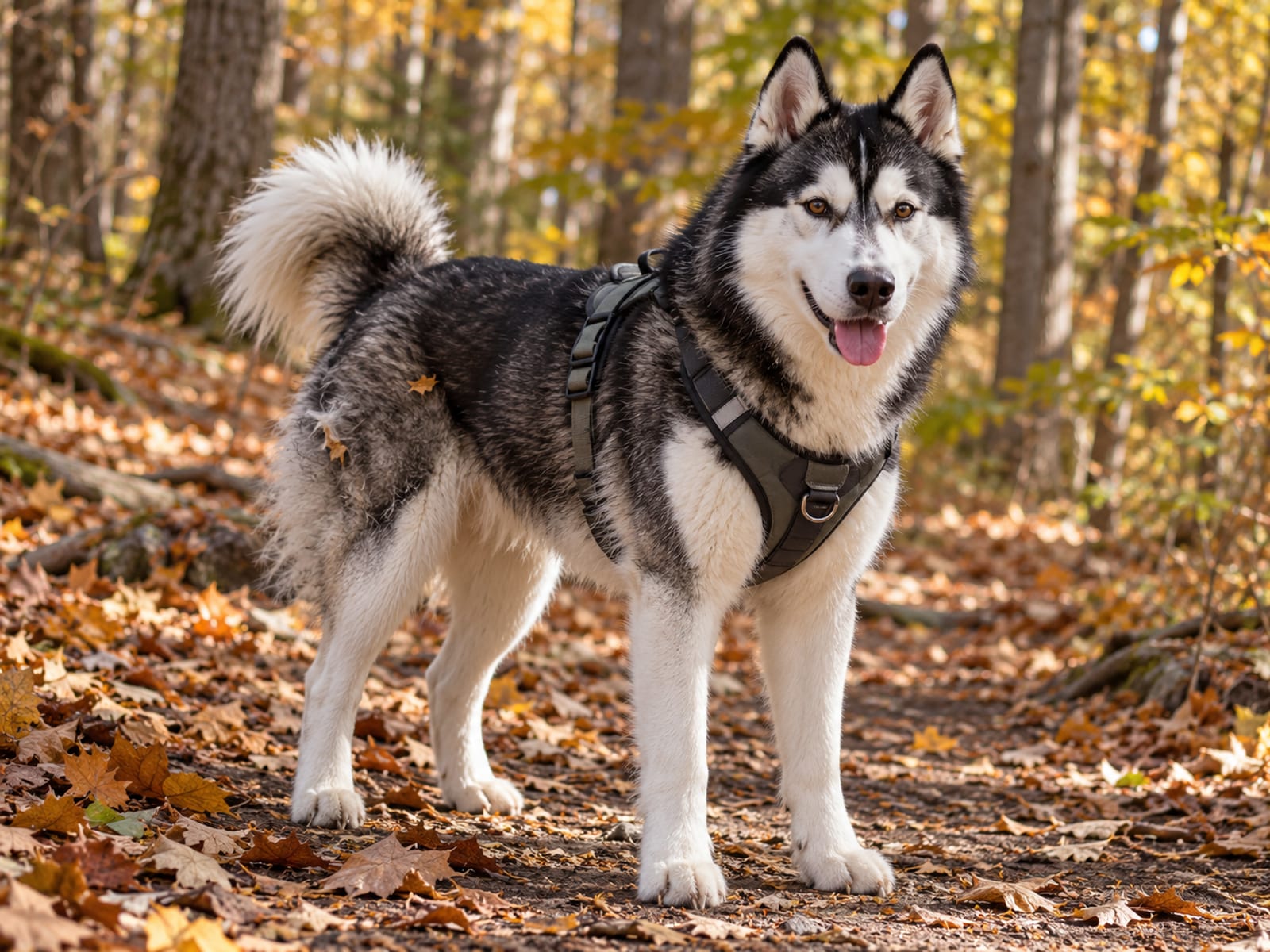
6. Siberian Husky
The Siberian Husky is a medium-sized breed and the strongest endurance and cold-weather specialist in this group. Males stand 21 to 23.5 inches and weigh 45 to 60 pounds, females 20 to 22 inches and 35 to 50 pounds, and life expectancy is 12 to 14 years. The thick double coat has guard hair and an undercoat, with heavy seasonal shedding, weekly brushing and more undercoat removal during shedding periods. See cold-climate dog breeds for related breeds.
Running, harness work, hiking, agility, rally, obedience and structured play can all fit. Its running instinct makes secure containment and leash management a must, because the breed is independent and capable of ignoring recall. It is friendly, social, dignified and athletic, with prey drive that can make small pets difficult, and it prefers regular company over all-day isolation. Barking is often moderate, with high vocalization through howling. Cancer, arthritis, eye disease and hip dysplasia are recognized concerns, and breed-club screening covers hips, eyes, SPS1 and SHPN1. Huskies suit owners with secure fencing, and they are a harder match for people who want dependable off-leash behavior or who live in hot climates without careful heat management.
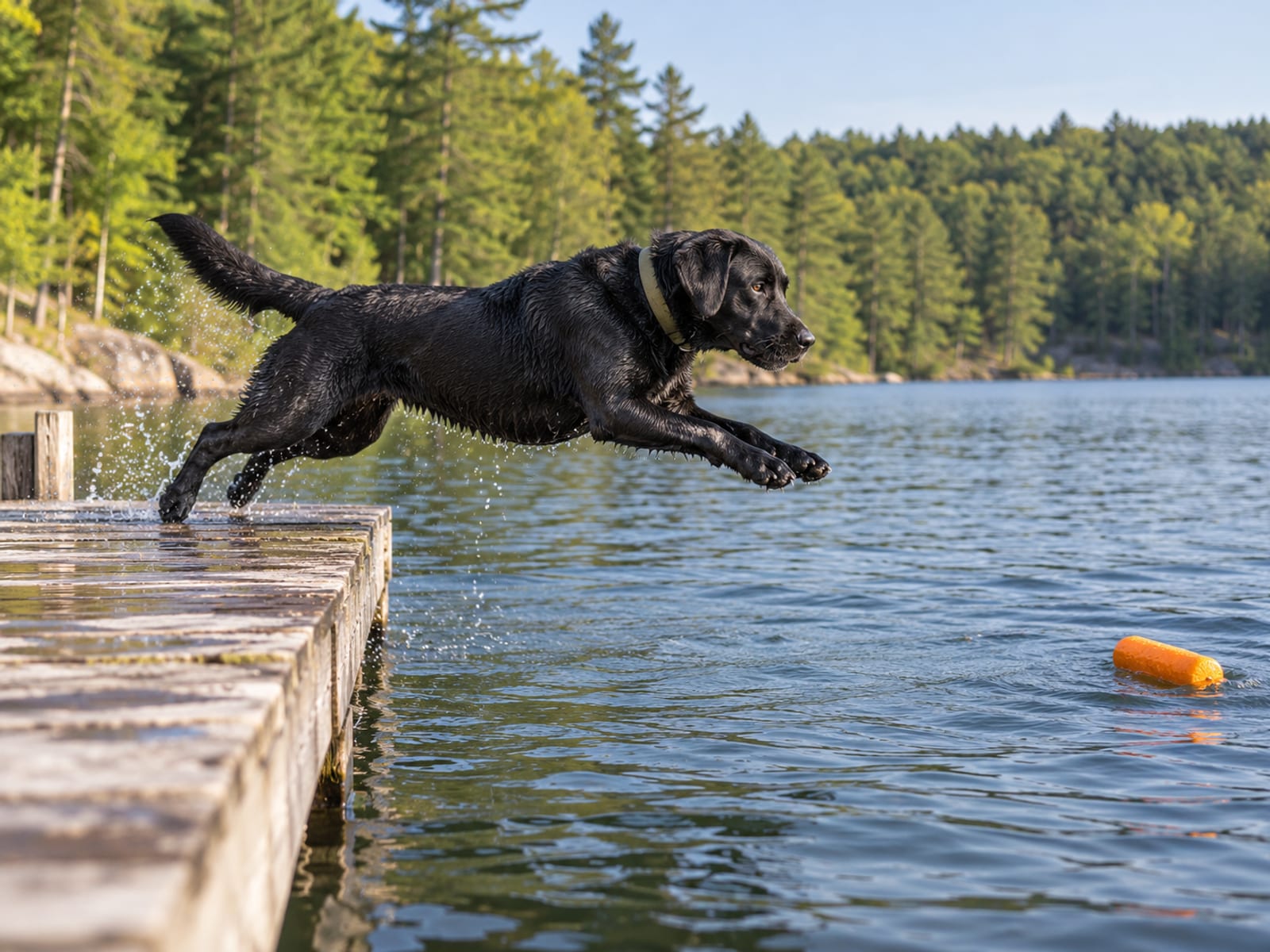
7. Labrador Retriever
The Labrador Retriever stands 22.5 to 24.5 inches and weighs 65 to 80 pounds (males), or 21.5 to 23.5 inches and 55 to 70 pounds (females). Life expectancy is 11 to 13 years. The short, dense, water-repellent double coat sheds regularly and needs occasional brushing and baths, plus regular nail, teeth and ear care.
Retrieving and swimming are especially efficient exercise because they combine movement, cooperation and natural working behavior. Field work, agility, obedience, tracking and dock diving also fit. The Lab is active, friendly, outgoing, affectionate and generally eager to please, commonly a strong family prospect (see family-friendly breeds). Alone tolerance can be better than a Vizsla's or Malinois's in some individuals, though too little exercise can produce hyperactive or destructive behavior. Obesity is a major practical concern, along with hip and elbow dysplasia, eye disease, heart disorders, hereditary myopathy, exercise-induced collapse and bloat. A Lab suits households that can manage a large, exuberant adolescent dog and keep exercise steady.
Size, lifespan, coat and exercise at a glance
The table puts the seven breeds side by side. Adult exercise needs vary with age, health, fitness and weather, so use these as starting points for a conversation with your veterinarian.
Tap or hover a row to highlight it.
| Breed | Size | Lifespan | Coat and shedding | Exercise |
|---|---|---|---|---|
| BreedBorder Collie | Size30 to 55 lb | Lifespan12 to 15 years | Coat and sheddingRough or smooth double coat; regular, heavier seasonal shedding | ExerciseVigorous daily exercise plus a job |
| BreedAustralian Shepherd | Size40 to 65 lb | Lifespan12 to 15 years | Coat and sheddingMedium double coat; regular, heavier seasonal shedding | ExerciseAbout 1 to 2 hours of running or equivalent, plus training |
| BreedBelgian Malinois | Size40 to 80 lb | Lifespan14 to 16 years | Coat and sheddingShort coat; heavier shedding twice a year | ExerciseDaily exercise plus close engagement and training |
| BreedVizsla | Size21 to 24 in tall | Lifespan12 to 15 years | Coat and sheddingShort coat; light to moderate shedding | ExerciseAt least 30 minutes active, many need much more |
| BreedWeimaraner | Size55 to 90 lb | Lifespan10 to 13 years | Coat and sheddingShort coat; light shedding | ExerciseConsistent physical and mental exercise with chances to run |
| BreedSiberian Husky | Size35 to 60 lb | Lifespan12 to 14 years | Coat and sheddingThick double coat; heavy seasonal shedding | ExerciseSubstantial exercise, ideally running or harness work |
| BreedLabrador Retriever | Size55 to 80 lb | Lifespan11 to 13 years | Coat and sheddingShort, dense double coat; regular shedding | ExerciseLots of daily exercise, retrieving or swimming |
When to start running or hiking, and how far
Skip fixed mileage rules for a growing puppy. Sustained running, long hikes, hard-surface jogging, jumping and competitive agility wait until the dog is physically mature and your veterinarian approves the plan. AKC's guidance on when a puppy finishes growing gives approximate skeletal maturity as 6 to 9 months for small breeds, about 12 months for medium, 16 to 18 months for large and 18 to 24 months for giant breeds. Growth plates close at different times, so your vet confirms the date.
Once the dog is mature, start with short walk-jog intervals and build gradually. Stop for limping, stiffness, unusual fatigue, reluctance or heavy panting. For puppies, VCA suggests self-directed play and short walks on suitable surfaces instead of forced mileage. Ask DogServ or your vet about a safe plan for your dog.
Heat and paws matter on every outing. Carry water, use shade and avoid the hottest part of the day. If a bare hand cannot rest comfortably on the pavement for 10 seconds, the surface is too hot, as AKC explains. Hot asphalt, sand, salt and extreme cold can injure paw pads, so inspect the paws, keep nails trimmed and stop when pads turn tender.
Some activities need extra care. Canicross pairs a runner and dog in a purpose-built harness and waits until growth is complete. Bikejoring suits fit, confident adults with veterinary clearance, proper harnesses and safe trails; never attach the line to the collar. Full-height agility jumps wait until growth plates have closed. Herding is a natural outlet for Border Collies, Australian Shepherds and Malinois, with supervised instruction better than improvising with livestock.
How an active breed copes on a workday
Too little exercise and mental work can contribute to destructive chewing, digging, nuisance barking, stealing, repetitive behavior, anxiety and trouble settling, according to the Merck Veterinary Manual. Pain, fear and separation anxiety can cause the same behaviors, so a vet can help sort out the cause.
If you work a full day, split the dog's needs across it. A morning walk, training session or run before work comes first, followed by a midday dog walker for exercise, toileting and human contact. A secure food puzzle, chew or scent activity fills quiet stretches, and an evening outing, class or sport finishes the day. Practice rest, keep routines predictable and train alone time gradually.
Daycare fits dogs who enjoy group play and can rest safely, but it can overstimulate reactive, anxious, elderly or dog-selective dogs, and a walker may suit a dog that prefers familiar surroundings. A dog with separation-related distress needs veterinary behavioral support, not simply more exercise; DogServ can help you find it.
Questions about active dog breeds
These are the questions readers ask most often when they want a dog that keeps up.
What dog breed is most active?
No single breed wins. Border Collies, Belgian Malinois, Australian Shepherds, Siberian Huskies, Vizslas, Weimaraners and several sporting breeds can have very high physical and mental demands, according to AKC. The best choice depends on whether you want endurance running, herding, dog sports, retrieving or harness work.
What are the 10 most energetic dog breeds?
Breeds repeatedly described as high-energy or working athletes include the Border Collie, Belgian Malinois, Australian Shepherd, Siberian Husky, Vizsla, Weimaraner, German Shorthaired Pointer, English Springer Spaniel, Labrador Retriever and Jack Russell Terrier. The order depends on the activity you have in mind, so match the breed to that.
What are the top 10 most athletic dogs?
Athleticism depends on the event. A broad activity-based group is the Border Collie, Australian Shepherd, Belgian Malinois, Siberian Husky, Vizsla, Weimaraner, German Shorthaired Pointer, Labrador Retriever, Dalmatian and Whippet. Endurance, speed, jumping, swimming and handler responsiveness are different strengths, as AKC describes.
Which dog is most ADHD?
ADHD is not a standard diagnosis for ordinary dog behavior, and a breed label cannot diagnose it. Veterinary sources describe hyperkinesis, or hyperactivity-like behavior, in some dogs. Border Collies, Belgian Malinois and other high-drive working breeds may look constantly active when their physical, social or mental needs go unmet. Ask a veterinarian to assess persistent abnormal behavior, or start at DogServ.
Which active dog breeds can be left alone?
Plan for company, whichever breed you pick. Labrador Retrievers can be more adaptable than strongly people-dependent Vizslas, Belgian Malinois or Siberian Huskies, though individuals vary. Build in exercise, enrichment, gradual alone-time training and a midday visit or care arrangement.
What are good active dog breeds for first-time owners?
A Labrador Retriever is often the most forgiving choice in this group for an active beginner because it is social, trainable and versatile, though it still needs substantial exercise (AKC). A well-matched adult dog can be easier than a puppy. Border Collies, Malinois, Vizslas, Weimaraners and Huskies usually ask for more experience or daily commitment; see also breeds for first-time owners.
What is the dog breed with the most energy?
No breed is recognized as number one. The Border Collie often appears among the dogs with the highest exercise and mental-work needs, along with the Belgian Malinois, Australian Shepherd, Siberian Husky and Vizsla.
What is the most active dog breed?
It depends on the activity. The Border Collie stands out in herding, agility and obedience, the Siberian Husky in endurance and harness work, the Vizsla and Weimaraner in running and field work, and the Labrador Retriever in retrieving, swimming and sports.
What are the 10 most powerful dog breeds?
No registry ranks power. Strength, endurance, speed and working ability are separate traits, so compare the activity you want, the dog's size, health, temperament and training needs. Browse more on the dog breeds hub.
Where to go from here
If you want a fast learner for dog sports, our fast-learning dog breeds list is a good next read. Woof Wag Nation has more breed guides in the dog breeds library, and the free Woof Wag Nation newsletter sends one practical dog guide each week,.
Sources
- AKC: Border Collie
- AKC: Australian Shepherd
- AKC: Belgian Malinois
- AKC: Vizsla
- AKC: Weimaraner
- AKC: Siberian Husky
- AKC: Labrador Retriever
- AKC: breeds by group
- AKC: most popular dog breeds of 2025
- AKC: best running dogs
- AKC: active dog breeds that help you stay fit
- AKC: dog breeds perfect for athletes
- AKC: when does my puppy finish growing
- AKC: protecting dog paws from hot pavement
- AKC: canicross
- AKC: bikejoring
- AKC: herding
- AKC: dog day care
- Merck Veterinary Manual: behavior problems of dogs
- VCA: puppy exercise