

Choosing a dog
9 Dog Breeds That Often Do Well With Families and Children
Labradors, Goldens, Beagles, Cavaliers and five more breeds compared by size, coat, exercise and fit with kids, plus how to keep children and dogs safe.
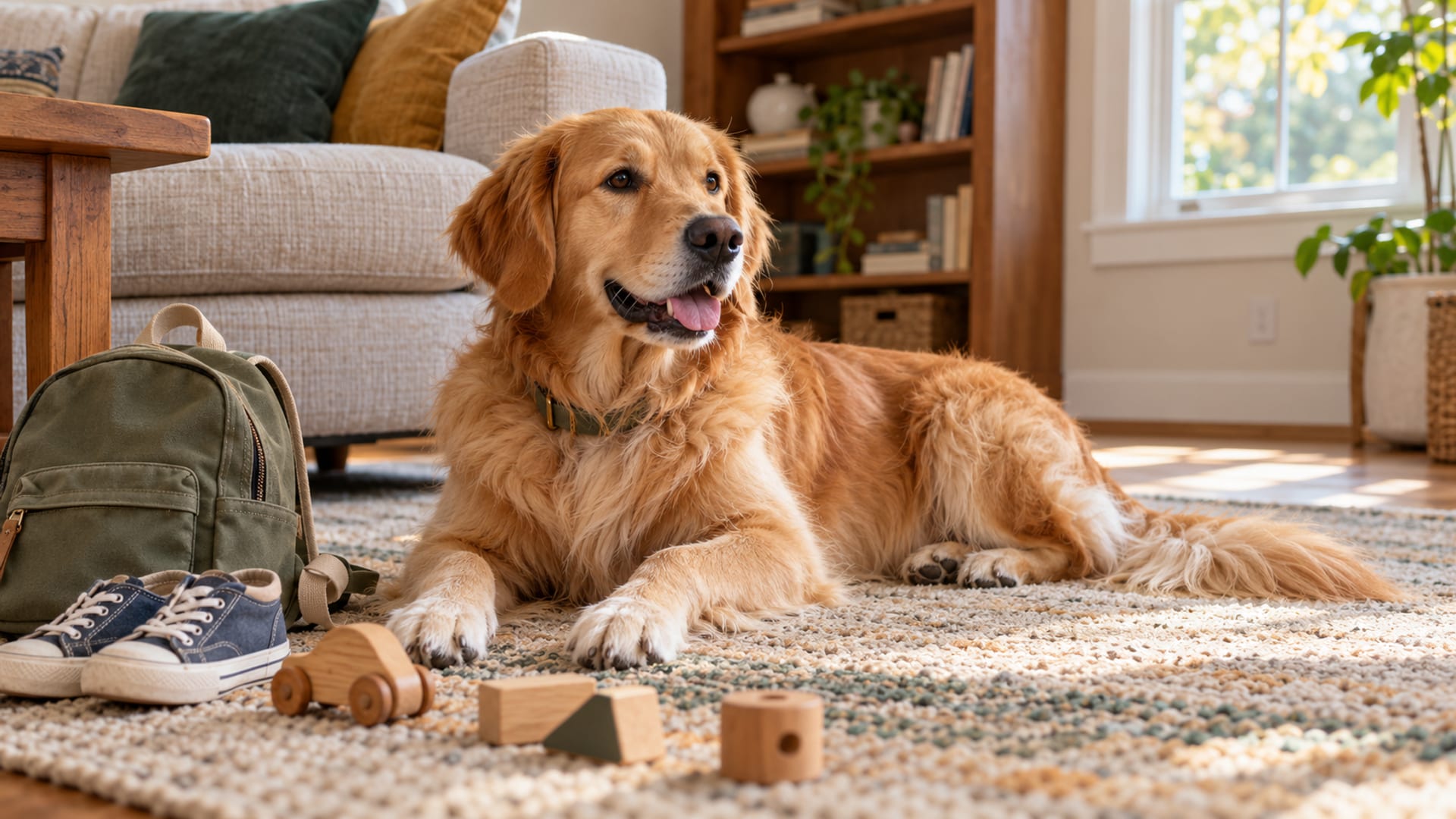
Labrador Retrievers, Golden Retrievers, Beagles, Cavalier King Charles Spaniels, Standard Poodles, Collies, Boxers, Newfoundlands and Bichon Frises often do well with children, and the best match is the dog whose size, energy, coat care and trainability fit your kids and your daily routine, with an adult supervising and teaching both sides.
Key takeaways
Tap a card to bring it forward.
- Match the dog to your children's ages, your schedule, your space and your grooming budget.
- Breed traits describe tendencies, and each dog's temperament, socialization and training shape how it behaves.
- An adult actively supervises young children around every dog, including the family dog.
- Teach children to ask before petting, let the dog approach and leave a dog alone while it eats or sleeps.
- Give the dog a child-free retreat such as a crate, a gated room or a bed.
- Meet the individual dog and ask about its history around children before you commit.
A dog that suits one family can strain another. A sturdy Labrador that loves to run is a lot for a household of toddlers and a short workday schedule, while a small Cavalier may be easily hurt by rough handling.
The nine breeds below differ in size, energy, grooming and household fit, so you can compare them against your own week. You'll also find the safety habits that matter whichever breed you choose.
What helps a breed suit family life
Family-friendly breeds come in every size, from the Bichon Frise to the Newfoundland, with short, silky, curly and heavy coats and low to high exercise needs. The AKC keeps a guide to family and children-focused breeds. You can compare more breeds with the AKC comparison tool.
Useful family-dog tendencies include a sociable temperament, tolerance for ordinary handling, willingness to learn, sturdy build and energy that matches the household. Size alone does not settle it. Small dogs can be hurt by rough handling, and large, excitable dogs can knock over young children by accident.
Individual temperament, early socialization, training, health, supervision and the child's behavior all shape the result. For other lists, see our guides to apartment dog breeds and dog breeds for first-time owners.
1. Labrador Retriever
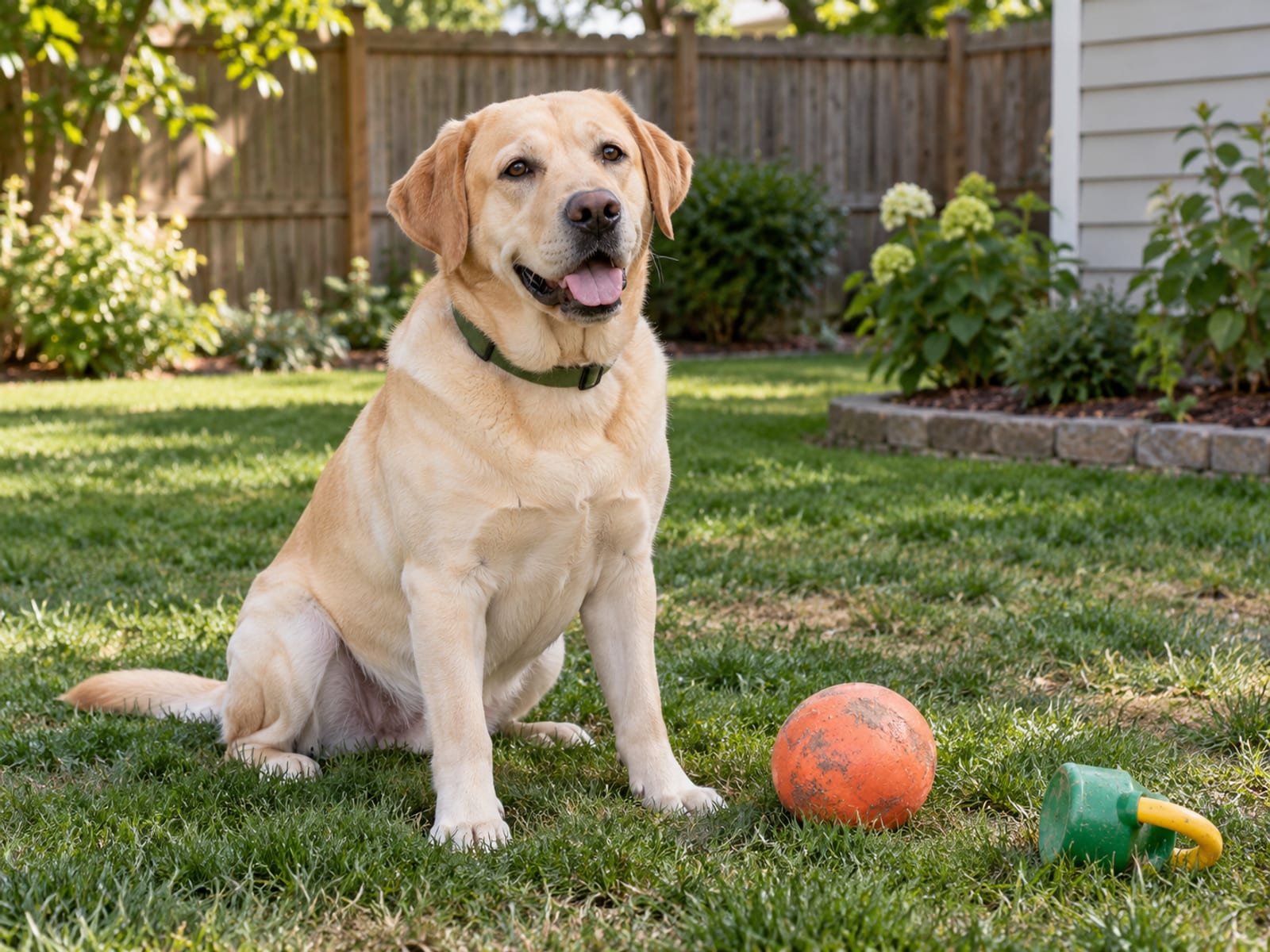
The Labrador stands 21.5 to 24.5 inches, weighs 55 to 80 pounds and lives 11 to 13 years. The short, dense double coat sheds heavily, so plan on regular brushing and the occasional bath.
Labs are friendly, outgoing and affectionate, eager to please and very energetic. The distinctive point is how well they fit retrieving games, swimming and active family outings. Insufficient exercise can lead to hyperactive or destructive behavior, so a daily routine of running and play is part of the deal.
Young Labs can overwhelm toddlers with sheer bounce, and they may struggle with long isolation. They usually enjoy children and other pets. The breed suits an active family with time for exercise and training, and a family wanting a calm, low-energy dog will find other breeds easier. Named health concerns include hip and elbow dysplasia, exercise-induced collapse and obesity.
2. Golden Retriever
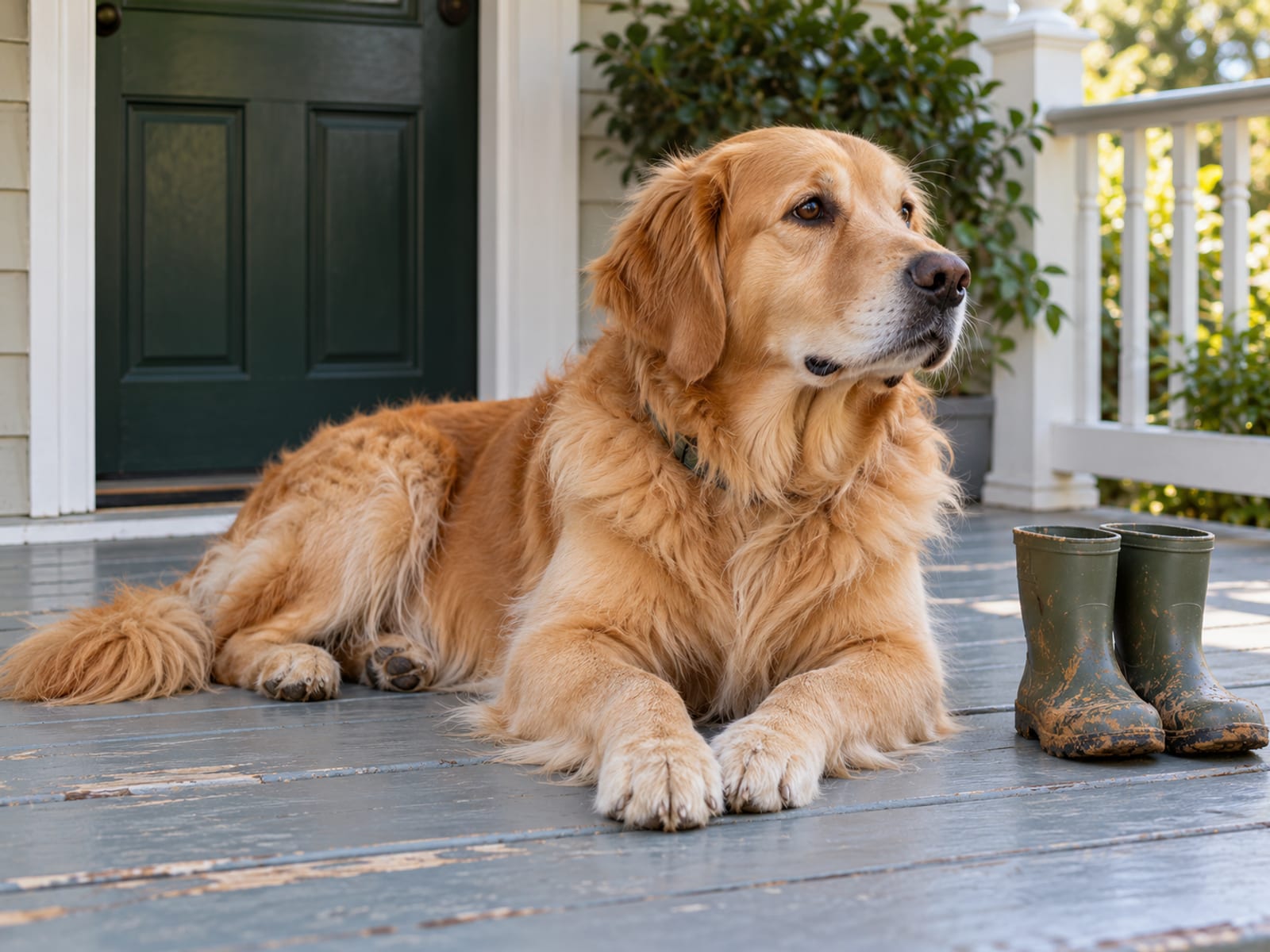
The Golden Retriever stands about 21.5 to 24 inches, weighs 55 to 75 pounds and lives 10 to 12 years. The medium-length double coat sheds moderately all year and heavily by season, and it needs brushing one or more times a week.
Goldens are friendly, affectionate, adaptable and highly trainable. They combine athletic outdoor ability with a social, people-oriented temperament, so retrieving games and daily exercise keep one happy. They usually aren't heavy barkers.
A Golden commonly fits children and other pets, but it does poorly with prolonged isolation and isn't a match for a sedentary household. The breed suits families who spend time together outdoors and can make training a daily habit. Hip and elbow dysplasia, cancer risk, heart disease and eye disorders are named health concerns, so ask breeders about health screening.
3. Beagle
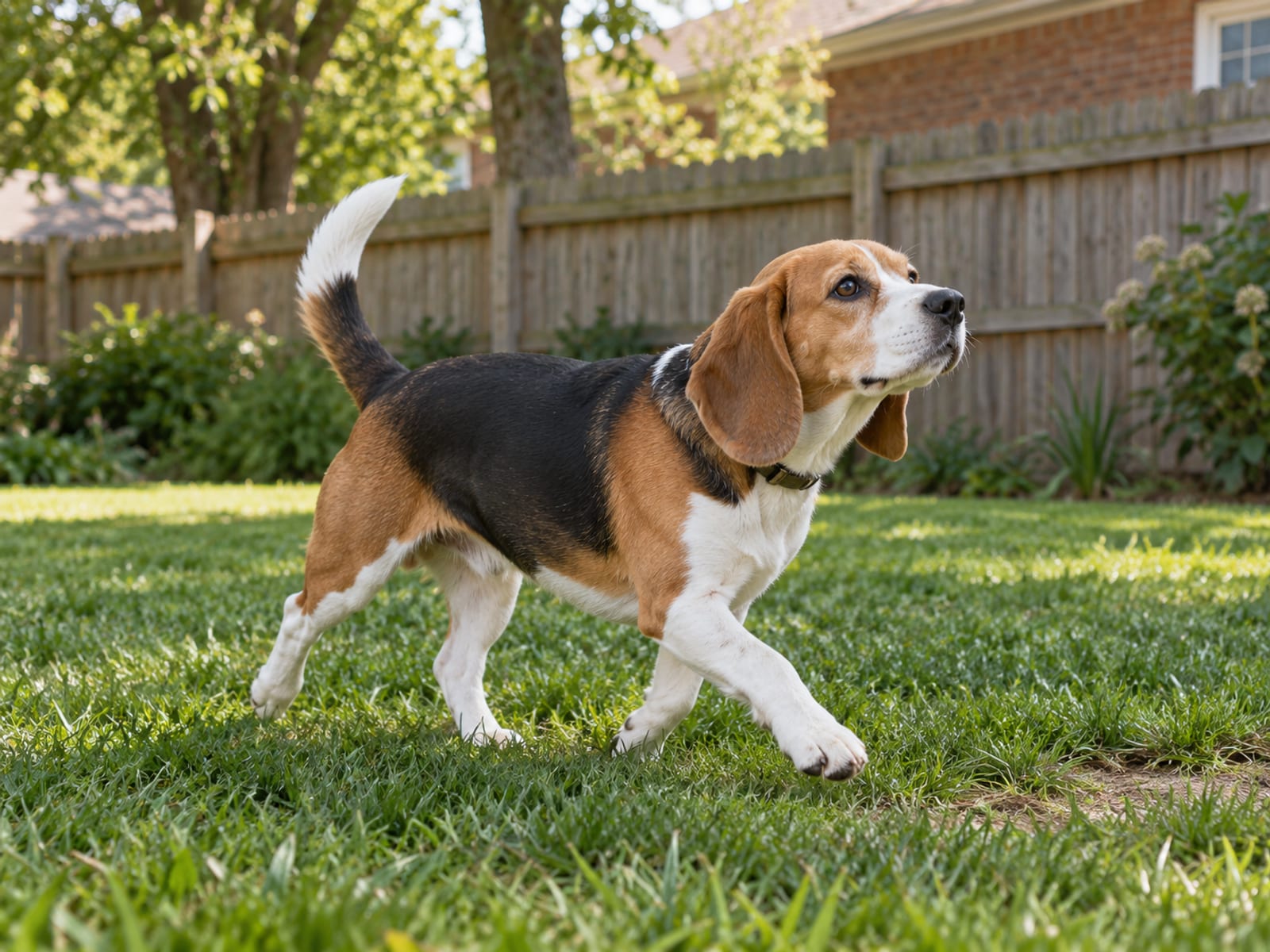
The Beagle comes in two varieties. One stands under 13 inches and weighs under 20 pounds, and the other stands 13 to 15 inches and weighs 20 to 30 pounds, and the breed lives 10 to 15 years. The short, dense coat sheds moderately, and weekly brushing is generally enough.
Beagles are merry, curious, friendly and energetic. They are scent-driven and trainable, but independent, so recall training takes patience. That scent drive is the practical point. A Beagle that catches a trail can ignore your call, so you need secure fencing and a leash outside plus plenty of sniffing walks.
Beagles can bark, bay and howl, and a lonely one may turn destructive. They are generally social with children and dogs, and AKC says they do best in active households. A family that wants a quiet dog or has no safe outdoor space will have a harder time. Named concerns include epilepsy, hypothyroidism, obesity and intervertebral disc disease.
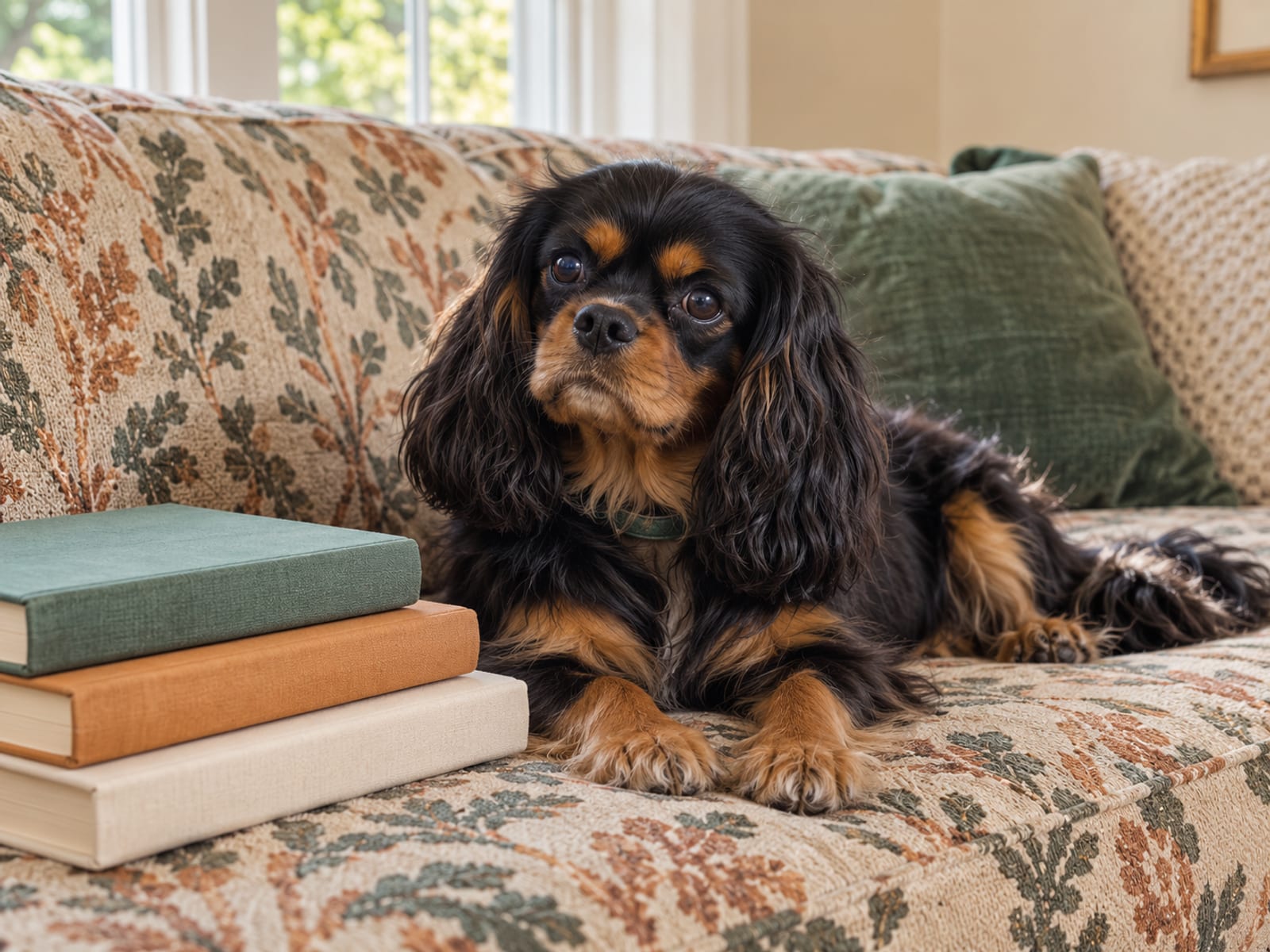
4. Cavalier King Charles Spaniel
The Cavalier stands 12 to 13 inches, weighs 13 to 18 pounds and lives about 12 to 15 years. The silky medium coat sheds moderately and needs regular brushing, ear checks and monthly nail care.
Cavaliers are gentle, affectionate, adaptable and eager to please, with moderate exercise needs. They are small and adaptable enough for an active home or a quieter one. They are highly people-oriented and may not tolerate long absences, so they suit a household where someone is home most of the day.
They often fit children and other pets, but their small frame is fragile around rough toddlers. Teach children to be gentle, and supervise. Heart health deserves attention from day one, since mitral valve disease is a named concern along with syringomyelia, eye disease and patellar luxation. Ask breeders about cardiac screening.
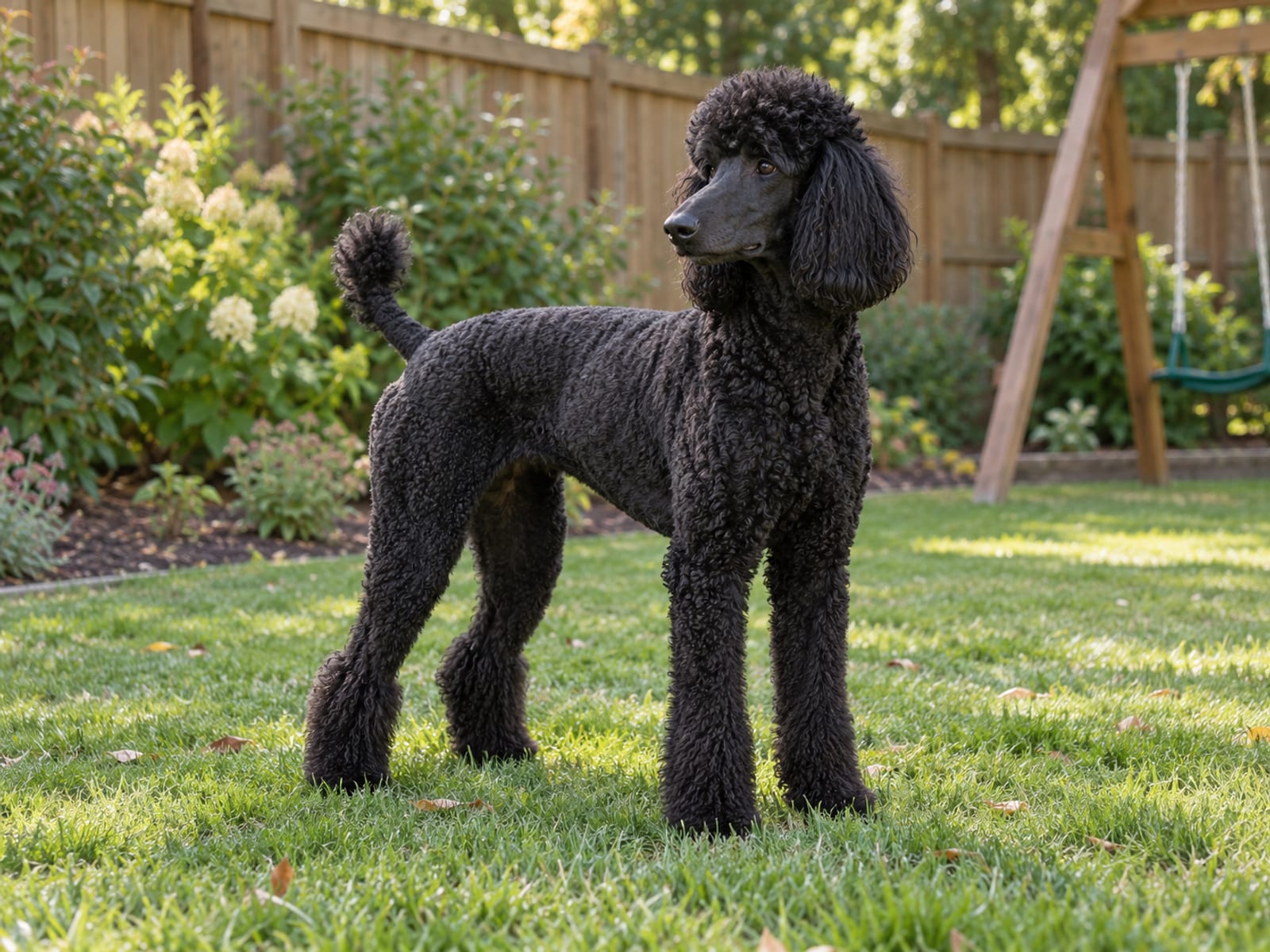
5. Standard Poodle
The Standard Poodle stands over 15 inches, weighs about 40 to 70 pounds and lives 10 to 18 years. The curly coat sheds minimally, compared with the other large breeds here, but it needs intensive brushing and professional clipping.
Standard Poodles are extremely intelligent, trainable and people-oriented. They are active and mentally demanding, so daily exercise, training games and puzzles keep them settled. Without company and stimulation, a Poodle can become distressed or destructive.
They are often good with children and other pets after socialization, and barking is moderate. The low shedding comes with a grooming commitment, so a family that wants no coat care should look at short-coated breeds. Named health concerns include hip dysplasia, eye disorders, epilepsy, sebaceous adenitis, von Willebrand disease and bloat. For smaller Poodles and other lower-shedding coats, see our guide to dog breeds that don't shed.
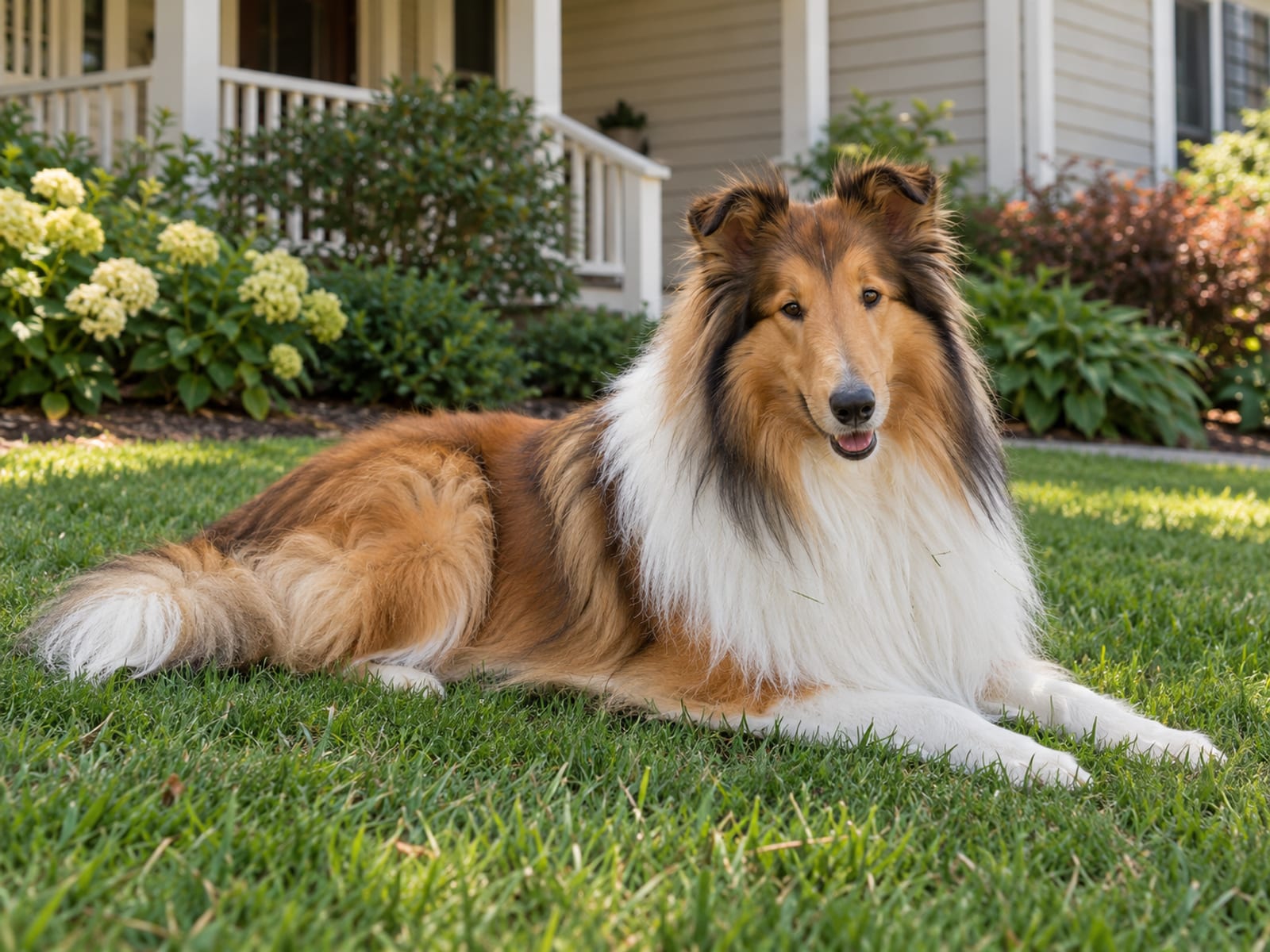
6. Collie
The Collie stands roughly 22 to 26 inches, weighs about 50 to 75 pounds and lives 12 to 14 years. It comes in rough and smooth varieties. Shedding is moderate and heavier by season, and the rough coat needs regular brushing.
Collies are devoted, gentle and watchful, responsive to training and moderate to high in exercise needs. AKC describes them as famously fond of children. The practical point is that a Collie brings alertness and trainability without the bulk of a Newfoundland or a Boxer.
They are often vocal, they like regular human contact, and their herding background may lead them to chase or herd moving children. Redirect that habit with training and a ball or a game. A Collie suits a family that is home often and enjoys daily walks. Named health concerns include Collie eye anomaly, progressive retinal atrophy, hip dysplasia, dermatomyositis and drug sensitivity.
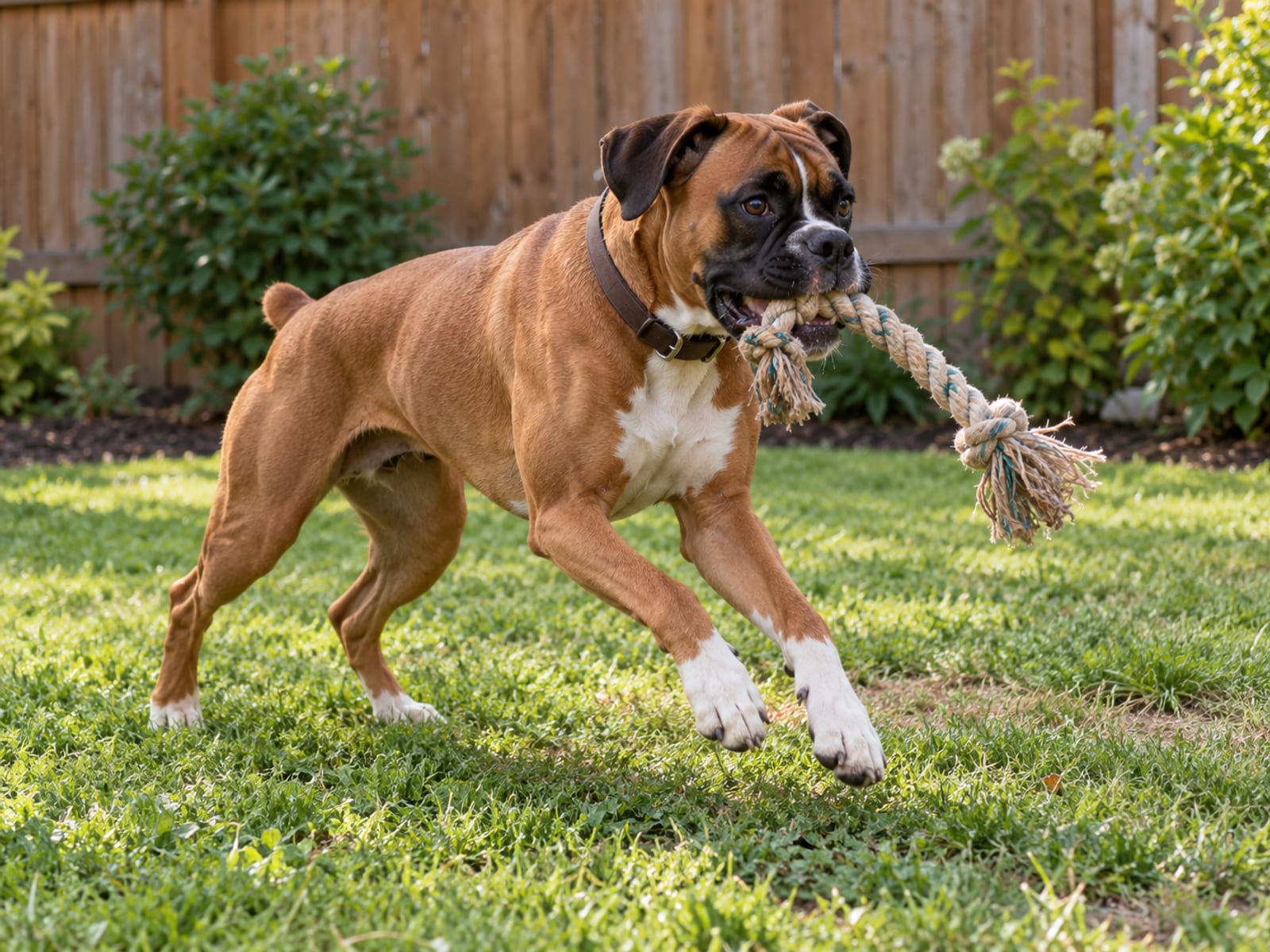
7. Boxer
The Boxer stands about 21.5 to 25 inches, weighs about 50 to 80 pounds and lives 10 to 12 years. The short coat sheds moderately and needs little grooming.
Boxers are playful, athletic and energetic, and they respond to consistent, positive training. They have high exercise needs and an excitable streak, so bouncy physical play needs careful management around small children. A Boxer is often good with older children who can burn off that energy with it.
Barking is moderate to high, and a Boxer left alone can become frustrated. The breed suits an active household that trains daily, and a home with frail adults or toddlers may find the bounce difficult. Named health concerns include cardiomyopathy, aortic stenosis, hip dysplasia, cancer, degenerative myelopathy and bloat. In Spanish the breed is usually written Bóxer.
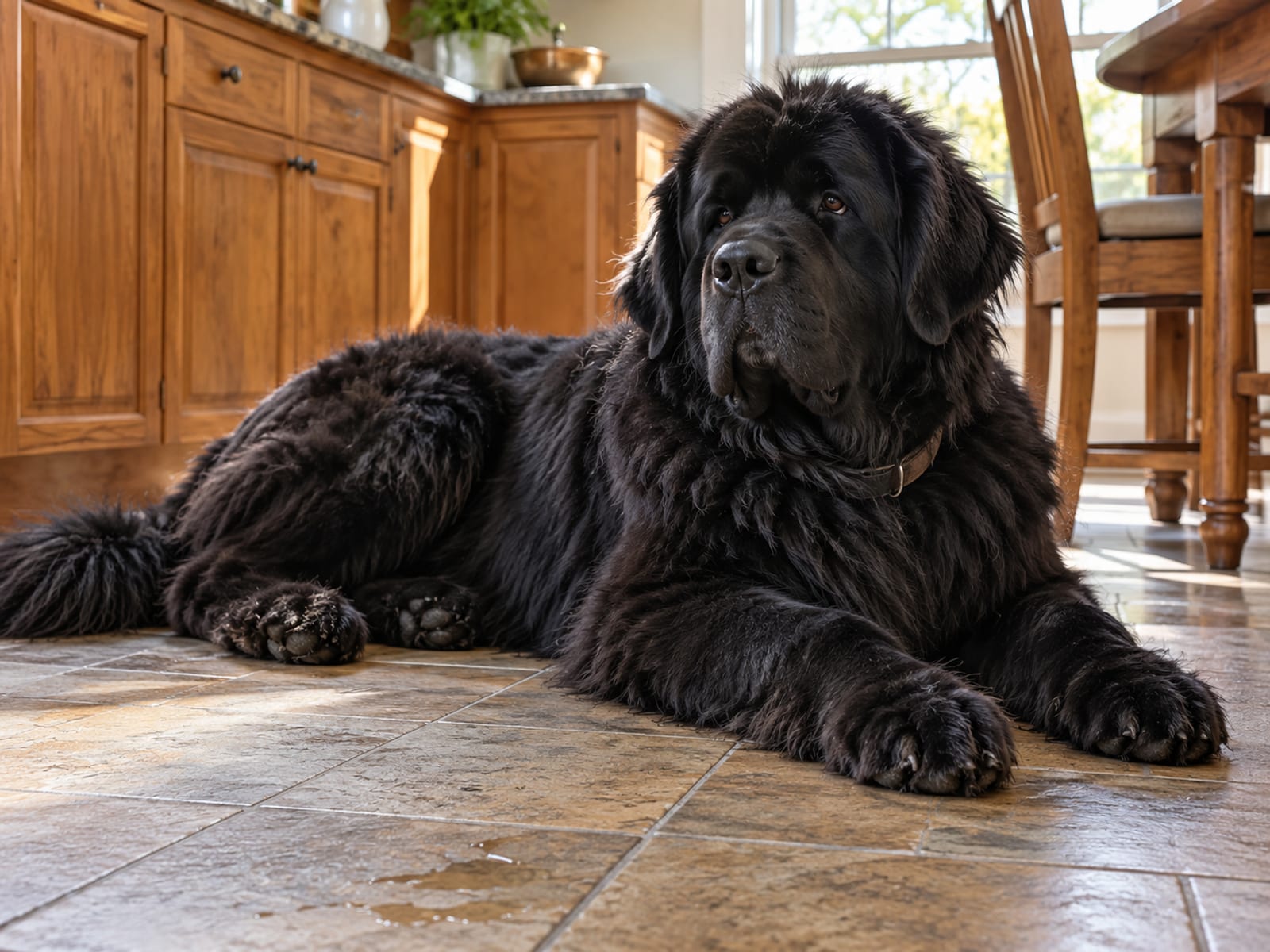
8. Newfoundland
The Newfoundland is a giant. Males stand about 28 inches and weigh 130 to 150 pounds, females stand about 26 inches and weigh 100 to 120 pounds, and the breed lives about 9 to 10 years. The heavy, water-resistant double coat sheds substantially and needs weekly brushing, with more during shedding seasons.
AKC describes the breed as sweet-tempered, patient and watchful, and Newfoundlands are often called nanny dogs. That nickname describes a reputation, and no dog replaces an adult. Expect at least about 30 minutes of moderate exercise daily, plus drool, a large vehicle for transport and careful heat management.
Newfoundlands need daily human contact and are a poor match for long isolation. They are often patient with children and pets, though a giant dog can knock a toddler over without meaning to. They suit families with space, a cool climate and the strength to manage a large dog. Named health concerns include hip and elbow dysplasia, cardiac disease, cystinuria and bloat. Spanish speakers know the breed as Terranova.
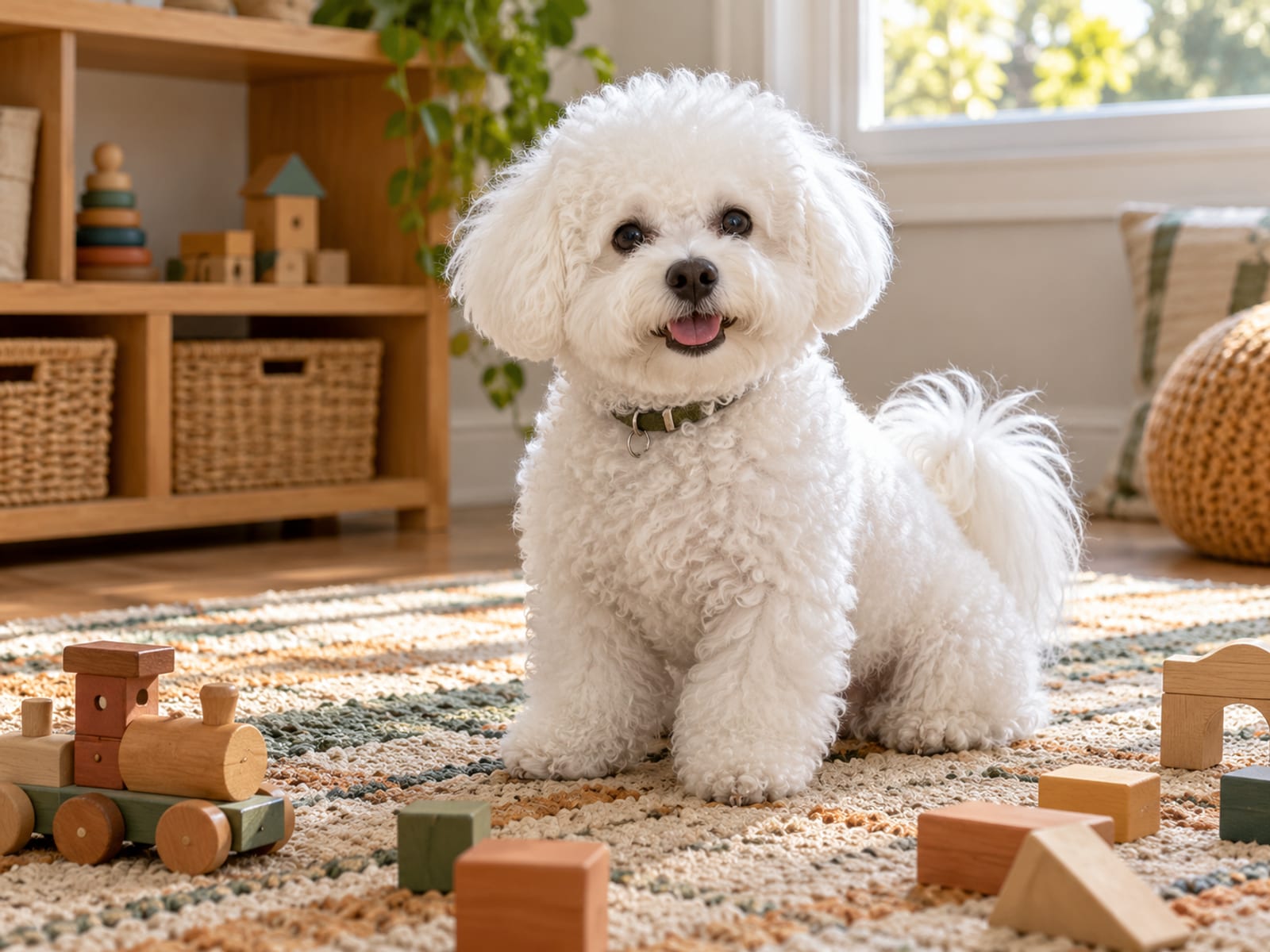
9. Bichon Frise
The Bichon Frise stands 9.5 to 11.5 inches, weighs 12 to 18 pounds and lives 14 to 15 years. The curly coat sheds little, and it needs frequent brushing and regular professional grooming.
Bichons are affectionate, playful and cheerful, generally trainable and moderate in exercise needs. The low shedding and small size suit some homes, but the coat takes more upkeep than its fluffy look suggests. A Bichon that is bored or left alone may bark and may develop separation-related problems.
They are often good with children and other pets. A small body is easy to injure, so children should learn gentle handling, and the breed is not a match for rough play or for a family unwilling to groom regularly. Named health concerns include patellar luxation, dental disease, bladder stones, eye disease and skin conditions. For more small companions, see our companion dog breeds.
How do the nine breeds compare side by side?
The table puts size, lifespan, coat and exercise facts in one place.
Tap or hover a row to highlight it.
| Breed | Weight | Lifespan | Coat and shedding | Exercise |
|---|---|---|---|---|
| BreedLabrador Retriever | Weight55 to 80 lb | Lifespan11 to 13 years | Coat and sheddingShort, dense double coat, heavy shedding | ExerciseHigh |
| BreedGolden Retriever | Weight55 to 75 lb | Lifespan10 to 12 years | Coat and sheddingMedium double coat, moderate year-round shedding, heavier seasonally | ExerciseDaily exercise and retrieving |
| BreedBeagle | WeightUnder 20 lb or 20 to 30 lb | Lifespan10 to 15 years | Coat and sheddingShort, dense coat, moderate shedding | ExerciseEnergetic and scent-driven |
| BreedCavalier King Charles Spaniel | Weight13 to 18 lb | LifespanAbout 12 to 15 years | Coat and sheddingSilky medium coat, moderate shedding | ExerciseModerate |
| BreedStandard Poodle | WeightAbout 40 to 70 lb | Lifespan10 to 18 years | Coat and sheddingCurly, minimal shedding, intensive grooming | ExerciseActive and mentally demanding |
| BreedCollie | WeightAbout 50 to 75 lb | Lifespan12 to 14 years | Coat and sheddingRough or smooth, moderate shedding, heavier seasonally | ExerciseModerate to high |
| BreedBoxer | WeightAbout 50 to 80 lb | Lifespan10 to 12 years | Coat and sheddingShort coat, moderate shedding | ExerciseHigh |
| BreedNewfoundland | WeightMales 130 to 150 lb, females 100 to 120 lb | LifespanAbout 9 to 10 years | Coat and sheddingHeavy double coat, substantial shedding | ExerciseAbout 30 minutes of moderate exercise daily |
| BreedBichon Frise | Weight12 to 18 lb | Lifespan14 to 15 years | Coat and sheddingCurly, low shedding, frequent grooming | ExerciseModerate |
How do you keep children and the dog safe together?
Adults should actively supervise young children around every dog, including the family dog. Toddlers can't read dog body language or control their movements reliably, so they need the most management. A calm, sturdy dog may be easier to manage than a very small, fragile one, and no breed makes unsupervised toddler time safe.
Teach children these habits, and practice them with the dog nearby:
- Ask an adult and the dog's person before petting.
- Let the dog come to you.
- Skip hugging, climbing on or riding the dog.
- Leave a dog alone while it is eating, sleeping, hiding or ill.
- Stay away from a dog caring for puppies.
Give the dog a child-free retreat, such as a crate, a gated room, a pen or a bed. Adults should interrupt rough play, supervise introductions and keep up training and socialization. See a veterinarian for pain, fear or sudden behavior changes. DogServ can help with dog health and behavior questions. A dog with a bite history or serious aggression needs a professional assessment before it lives with children. The CDC and AKC have more on teaching children to respect dogs.
Older children can join in age-appropriate training, walks with an adult, feeding routines and grooming. Teenagers can take on more exercise and training, and adults remain responsible for the dog's care and safety.
Questions about family dogs and children
These are the questions families ask most while choosing a dog.
What are the top 10 best family dog breeds?
The nine breeds above are a good place to start, and you can compare them on temperament tendencies, size, energy, trainability, grooming and fit with your children's ages. Labradors, Goldens, Beagles, Cavaliers, Poodles, Collies, Boxers, Newfoundlands and Bichons suit different households. For more options, see our dog breeds pages.
What are the top 5 most loyal dogs?
Loyalty has no standard breed score. Labrador Retrievers, Golden Retrievers, Cavaliers, Collies and Newfoundlands are commonly described by AKC as devoted, affectionate or people-oriented. Individual dogs vary, and a dog's bond with your family grows with time, training and care.
What dog is least likely to bite?
Any dog may bite when frightened, in pain, stressed, guarding food or toys, or disturbed while sleeping, so a breed label won't settle this. Supervision, socialization, training, health care and teaching children safe interaction are the habits that lower the risk. Choose by the individual dog's history and behavior.
What is the 7 7 7 rule with dogs?
Trainers use the phrase for different plans. A common version suggests exposing a young dog to varied people, places, objects, sounds and experiences. Follow your veterinarian's guidance on gradual socialization and vaccinations, and start slowly.
What's the most clingy dog breed?
Clinginess can reflect breed tendency, learning, anxiety, illness or separation distress. Cavaliers and other highly people-oriented companion breeds are often called Velcro dogs. If a dog's clinginess changes suddenly, talk to a veterinarian.
What dogs do vets not recommend?
Veterinarians match a dog to a household, and they may advise caution when a breed's health, size, exercise, heat, grooming or behavior needs conflict with the home. Short-nosed breeds can need special attention to breathing and heat tolerance. A dog with an aggression history needs an individual assessment.
What is the nicest dog breed, and which is the most docile?
Golden Retrievers, Labradors, Cavaliers, Bichons and Newfoundlands are commonly described by AKC as friendly or affectionate. Those are tendencies. A dog's temperament depends on its own personality, socialization, health, training and handling, so spend time with the dog first.
Which dog is the most affectionate with children?
Golden Retrievers, Labradors, Cavaliers, Bichons and Newfoundlands are commonly described as affectionate or sociable. Individual temperament, socialization, training and supervision matter more than the breed name. Teach children how to treat the dog, and supervise their time together.
Which breed is the most protective with children?
Pick a dog for its fit with your family and don't count on it to protect your children. Breeds can have watchful or protective tendencies, and a protective dog may also react to ordinary family events, such as a child's friends playing. Adult supervision and training for dog and children are the safety plan.
What are nanny dogs?
"Nanny dog" is a popular phrase, and no dog does a caregiver's job. Some breeds, such as the Newfoundland, have a reputation for patience, but any dog can bite or react when frightened, ill, eating or resting. An adult stays in charge of the children and the dog.
Where to go from here
If this will be your family's first dog, our dog breeds for first-time owners list is a good next read. Woof Wag Nation has more breed guides in the dog breeds library, and the free Woof Wag Nation newsletter sends one practical dog guide each week.
Sources
- AKC, Best Dog Breeds for Kids
- AKC, What are the best dog breeds for your kids?
- AKC, Compare Dog Breeds
- AKC, Teaching Young Children Respect for Dogs
- AVMA, Preventing dog bites
- CDC, Dogs
- AKC, Labrador Retriever
- AKC, Golden Retriever
- AKC, Beagle
- AKC, Is a Beagle Right for You?
- AKC, Cavalier King Charles Spaniel
- AKC, Standard Poodle
- AKC, Collie
- AKC, Boxer
- AKC, Is a Boxer Right for You?
- AKC, Newfoundland
- AKC, Bichon Frise
- PetMD, What To Know About Velcro Dogs
- UC Davis School of Veterinary Medicine, Brachycephalic Dogs
- K9 Mania, What Is the 7-7-7 Rule for Dogs?