

Breed list
10 Companion Dog Breeds for a Close Everyday Bond
Ten companion dog breeds compared by size, lifespan, grooming and time alone, plus how companion, service, therapy and support dogs differ.
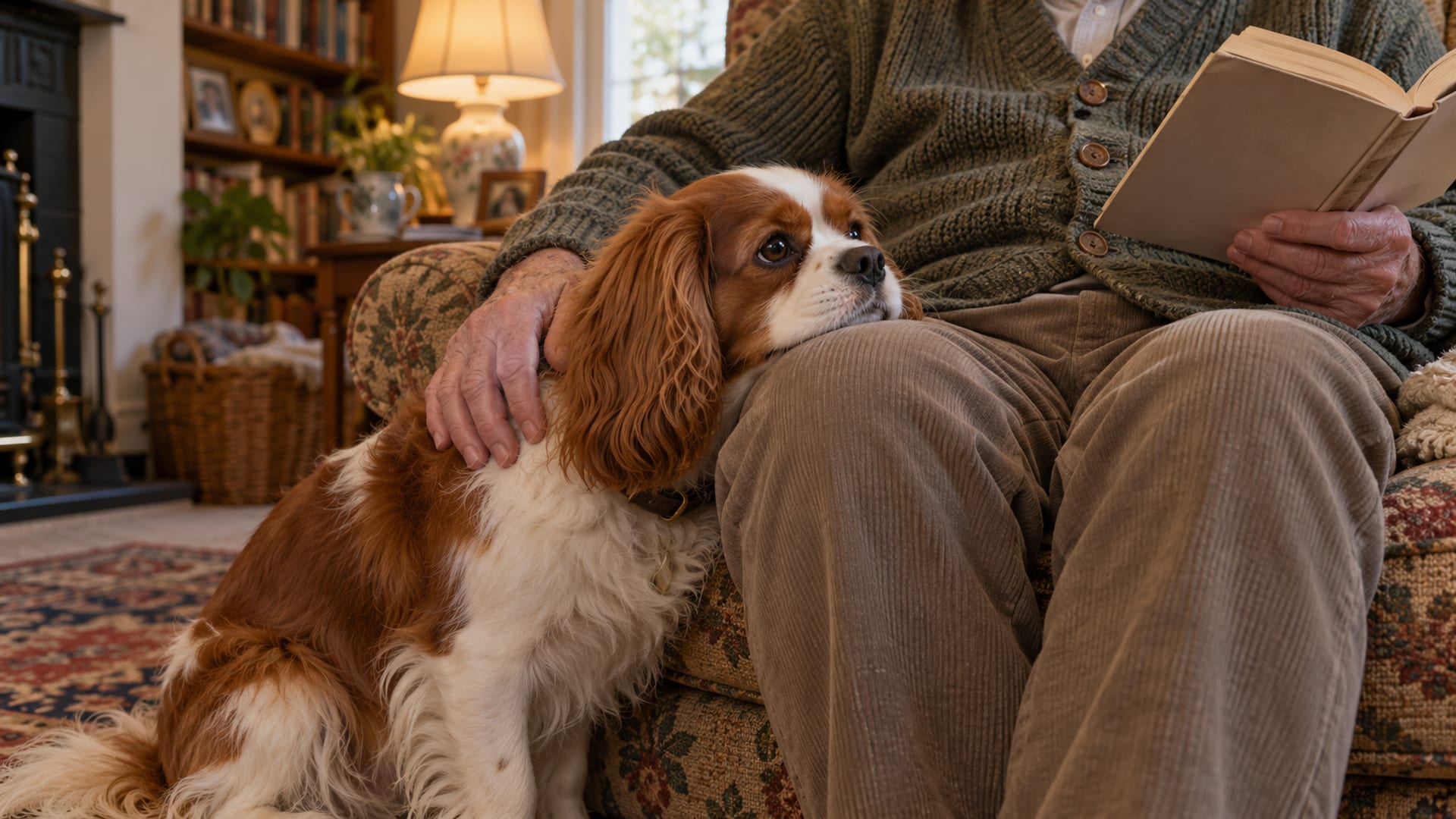
For a close everyday bond, start with the individual dog's temperament and your daily schedule. Cavalier King Charles Spaniels, Havanese, Shih Tzu, Maltese, Bichon Frise, Pugs, Chihuahuas, Papillons, Pomeranians and Italian Greyhounds are companion-oriented candidates in the AKC's Toy Group and beyond, but each differs in health, grooming, exercise, barking and time alone.
Key takeaways
Tap a card to bring it forward.
- "Companion breed" describes a history and a set of tendencies, not a promise about how any one dog will behave.
- A dog that bonds closely may find long hours alone hard, so match the dog to your real schedule before you match it to your taste.
- Small does not mean low-maintenance: coats, teeth, joints, airways and barking all vary a great deal across these ten.
- Companion dogs, service dogs, therapy dogs and emotional support animals are different things with different legal meanings.
- An adult dog with a known temperament can be a more predictable match than choosing by breed label alone.
What counts as a companion breed here
"Companion breed" is a functional description of breeds with a history of close human company. The AKC's Toy Group holds small breeds whose historical roles often centered on companionship, and the FCI's Group 9 is officially named Companion and Toy Dogs. A useful working definition is a breed with a documented history of close human company, a household-friendly size and temperament tendencies that may suit someone who wants frequent interaction and a calm day.
Nine of the ten breeds below sit in the Toy Group: Cavalier King Charles Spaniel, Chihuahua, Havanese, Italian Greyhound, Maltese, Papillon, Pomeranian, Pug and Shih Tzu. The Bichon Frise belongs to the Non-Sporting Group, but its companionship history and its place as a common small companion choice earn it a spot. AKC registration rankings count registered purebred dogs, so judge fit and compatibility separately.
Companion dogs, service dogs, therapy dogs and emotional support animals
A companion dog is an ordinary pet chosen for connection. Under the ADA, a service animal is a dog individually trained to do work or tasks directly related to a person's disability, and the ADA says comfort, therapy and companion animals do not qualify when their role is only to provide comfort by being present. Emotional support animals fall mainly under housing law, where HUD's assistance animal guidance applies. Therapy dogs visit places such as hospitals and schools with a handler, and the facility sets the rules. See the ADA service animal FAQs for details.
What studies say about dogs and loneliness
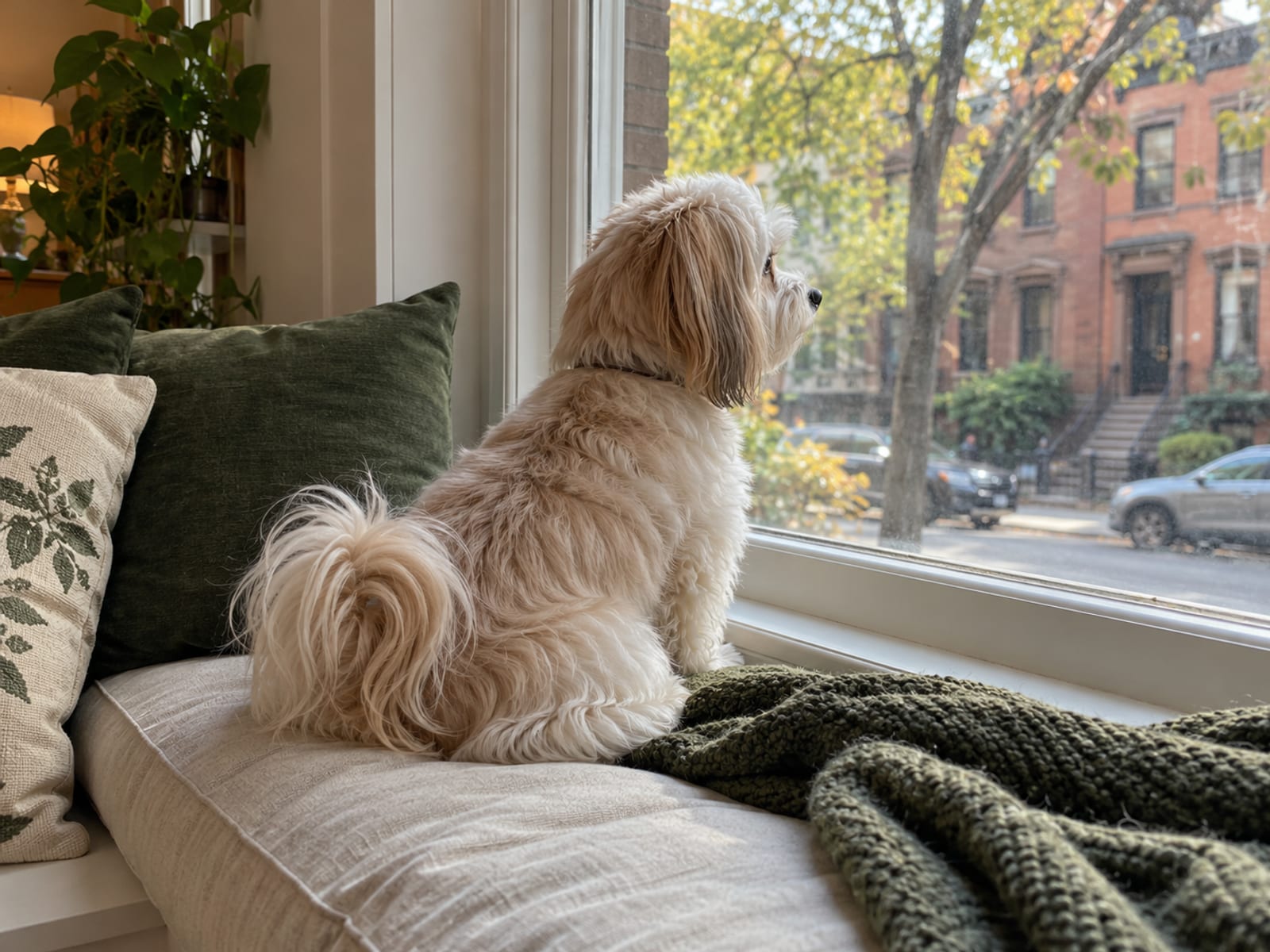
Research points to possible benefits that vary from owner to owner. A 2014 study of older adults in primary care who live alone reported that pet ownership may ease loneliness. A 2026 study of 160 community-dwelling adults aged 75 and older in France found that dog ownership, among 47 dog owners, was independently associated with lower emotional loneliness, but it was observational and cannot show that dogs caused the difference.
Findings are mixed elsewhere. A 2024 BMC Psychology study found that dog ownership involved more physical activity through walking and play, while loneliness and mental-health links differed by age. A 2023 systematic review found that pet ownership was not consistently linked to lower loneliness across adults. In practice, a dog can bring routine, activity and company, and it also brings daily care, vet costs and the risk of falls on a leash.
Close bonding and time alone
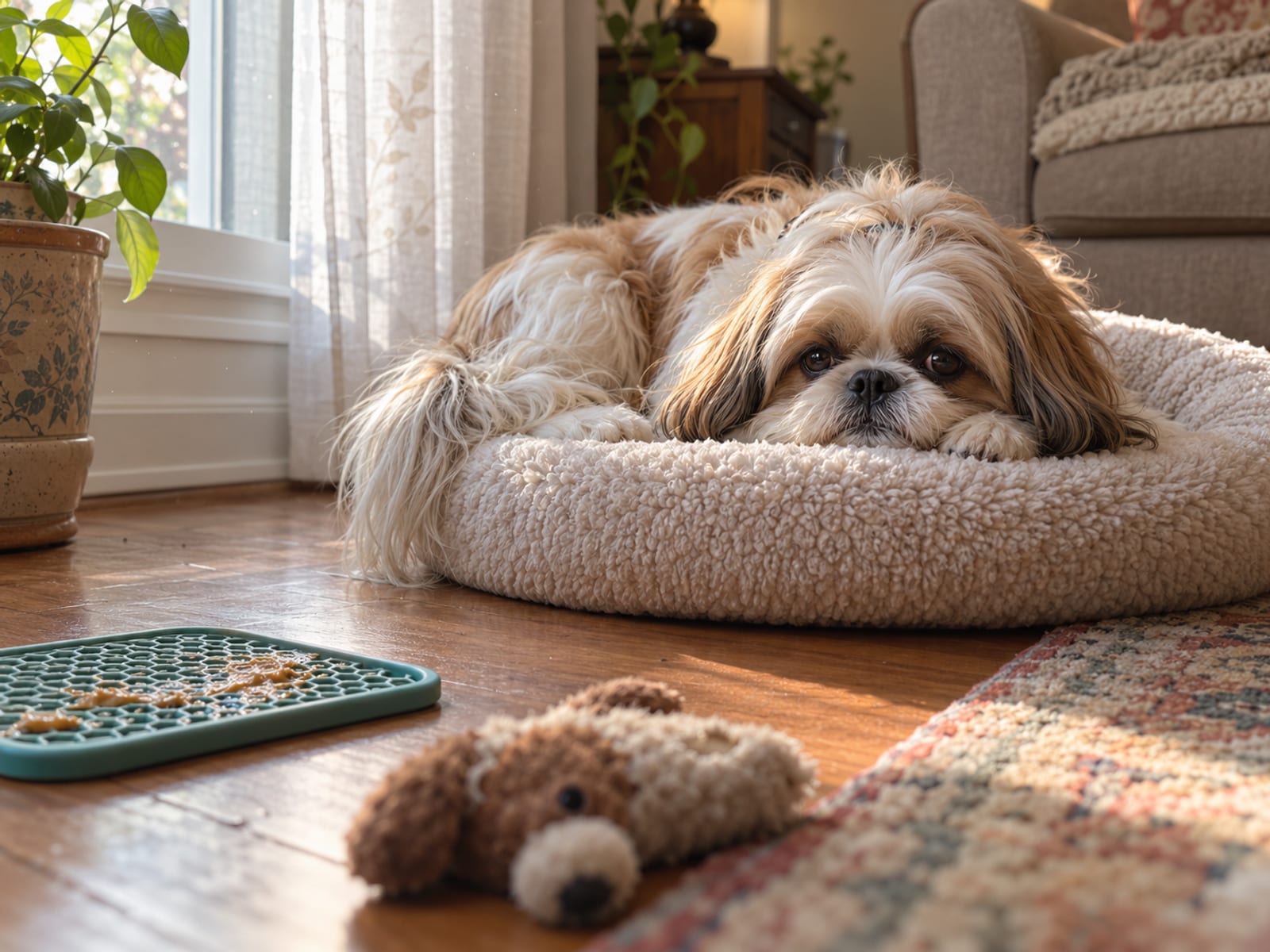
A dog that follows you from room to room is showing close attachment. The Merck Veterinary Manual states that dogs who follow family members around are not at greater risk solely because they show close attachment. Separation-related distress is something different: it appears when a dog is left without company, and VCA lists signs such as barking or howling, destruction near exits, house-soiling, pacing, drooling and refusing to eat.
Any dog can develop it, so plan company or a midday break for every breed here. The Cavalier, Havanese, Maltese, Shih Tzu, Chihuahua, Italian Greyhound and Pomeranian are small dogs often chosen for closeness, so build alone time gradually from the start. A dog already showing distress needs a vet check and a qualified behavior professional; for general care, safety and finding services, see DogServ.
1. Cavalier King Charles Spaniel
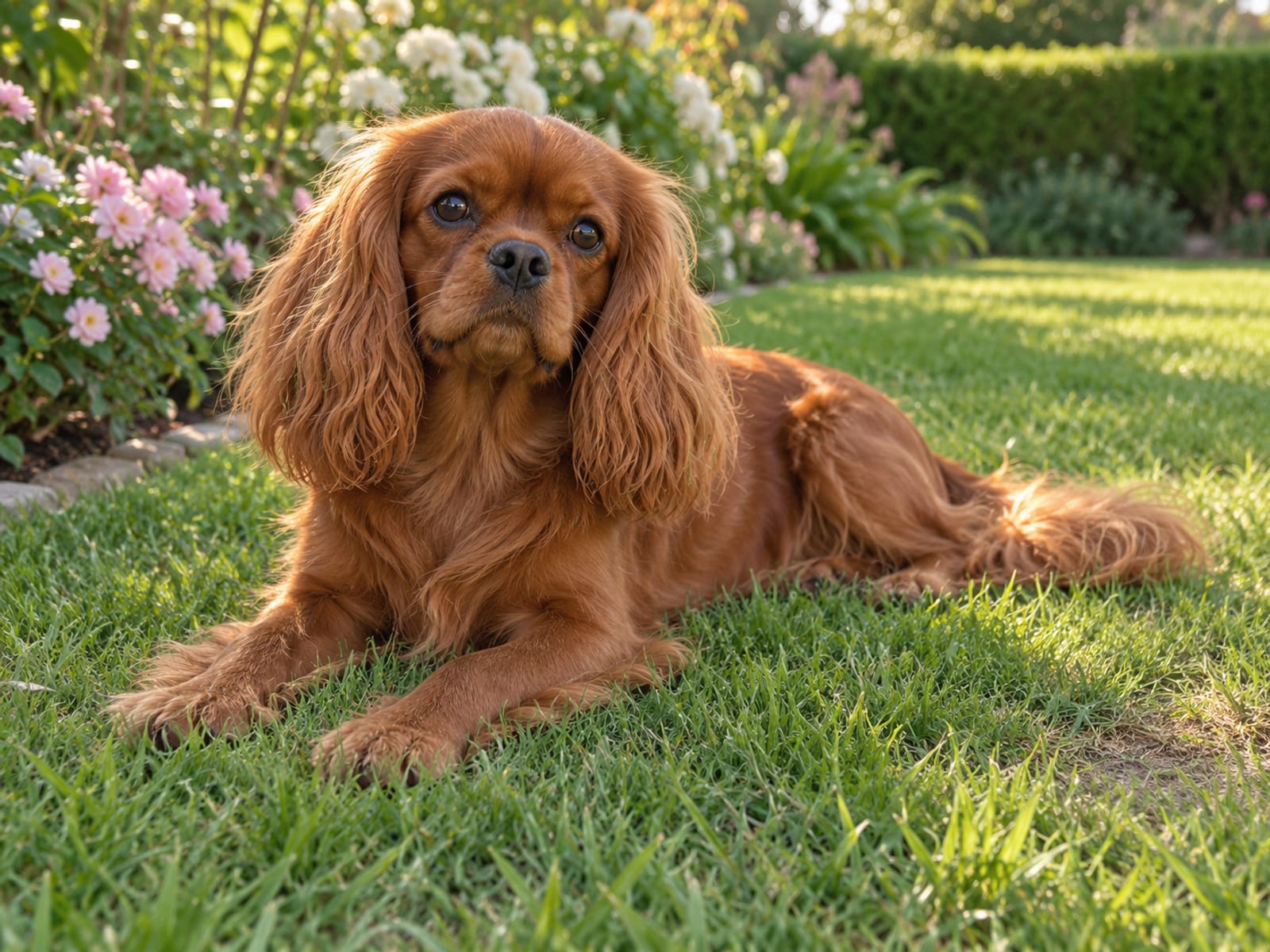
The Cavalier stands 12 to 13 inches, weighs 13 to 18 pounds and has a life expectancy of approximately 12 to 15 years, according to the AKC. The long, silky, feathered double coat sheds moderately and needs brushing several times a week, plus regular ear checks and nail trims. Moderate exercise is enough: daily walks and play, then relaxing indoors.
Cavaliers tend to be eager to please, affectionate, gentle and friendly with people and animals. They also carry spaniel instincts and scent-following habits, so secure fencing and a leash matter.
Health concerns include mitral valve disease, syringomyelia, patellar luxation, hip dysplasia and eye and ear disease; the Cavalier King Charles Spaniel Club recommends cardiac, eye, hip and patella evaluations. They are often compatible with respectful children and other dogs and adapt to apartments with exercise. Their closeness to people makes them a poor match for long workdays alone, and for a household that wants an independent dog.
2. Havanese
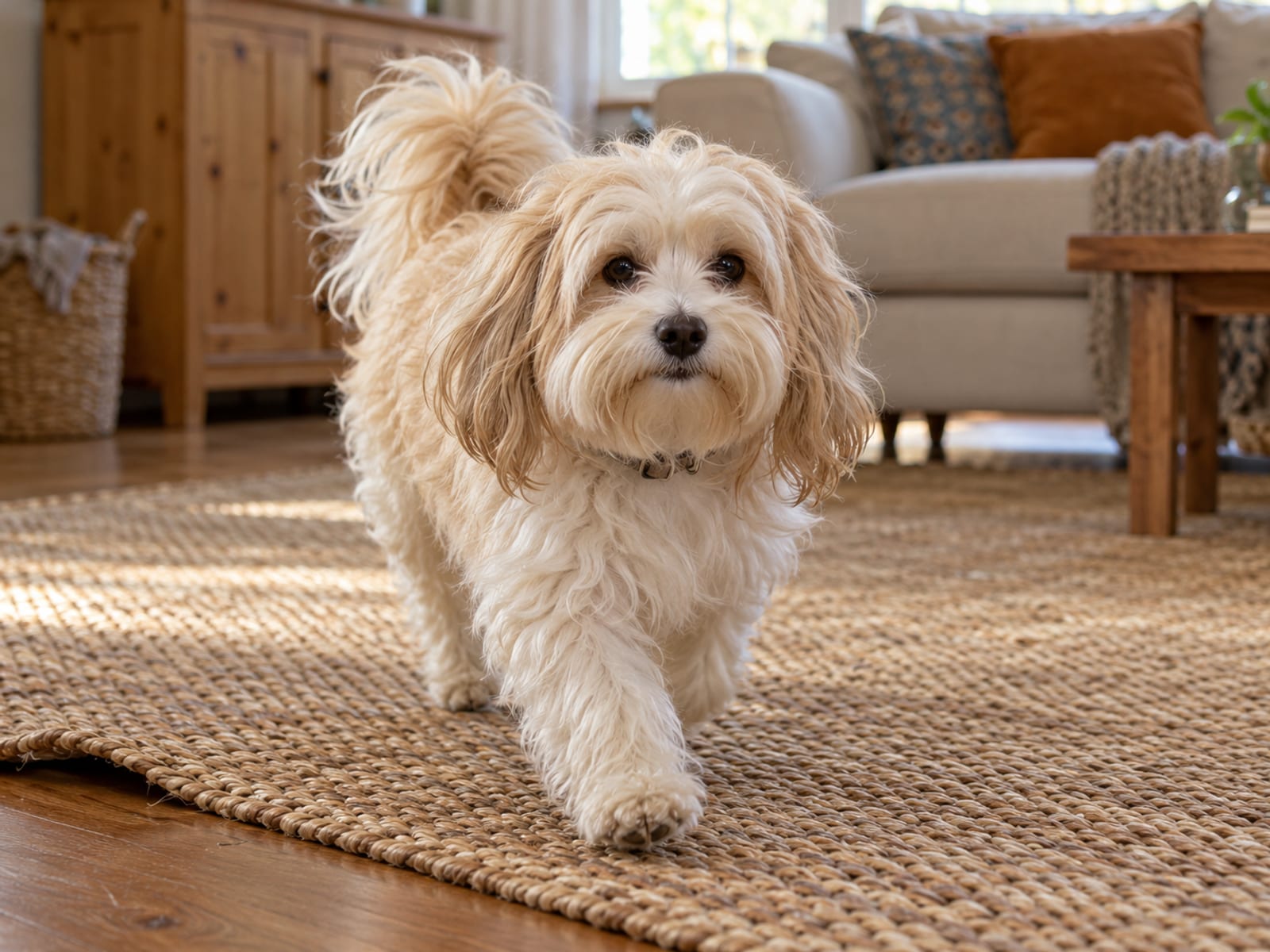
The Havanese stands approximately 8.5 to 11.5 inches, weighs 7 to 13 pounds and lives approximately 14 to 16 years, per the AKC Havanese breed page. The long, soft, silky or wavy coat sheds little, but loose hair can mat in the coat. Low shedding does not mean low grooming: expect frequent brushing or a short professional trim, plus ear and eye care.
This is a social, playful, intelligent, strongly people-oriented dog, and it can be alert and vocal, so training and management matter. Moderate daily walks and play are enough.
Health programs through the breed club cover patellar luxation, Legg-Calvé-Perthes disease, hip dysplasia, eye disease, liver shunts and cardiac concerns, and the OFA breed database is a starting point for screening. A Havanese is usually adaptable to apartments with exercise and noise management. It is often a poor match for long daily absences, and for a household unwilling to keep up a long coat or provide frequent human interaction.
3. Shih Tzu
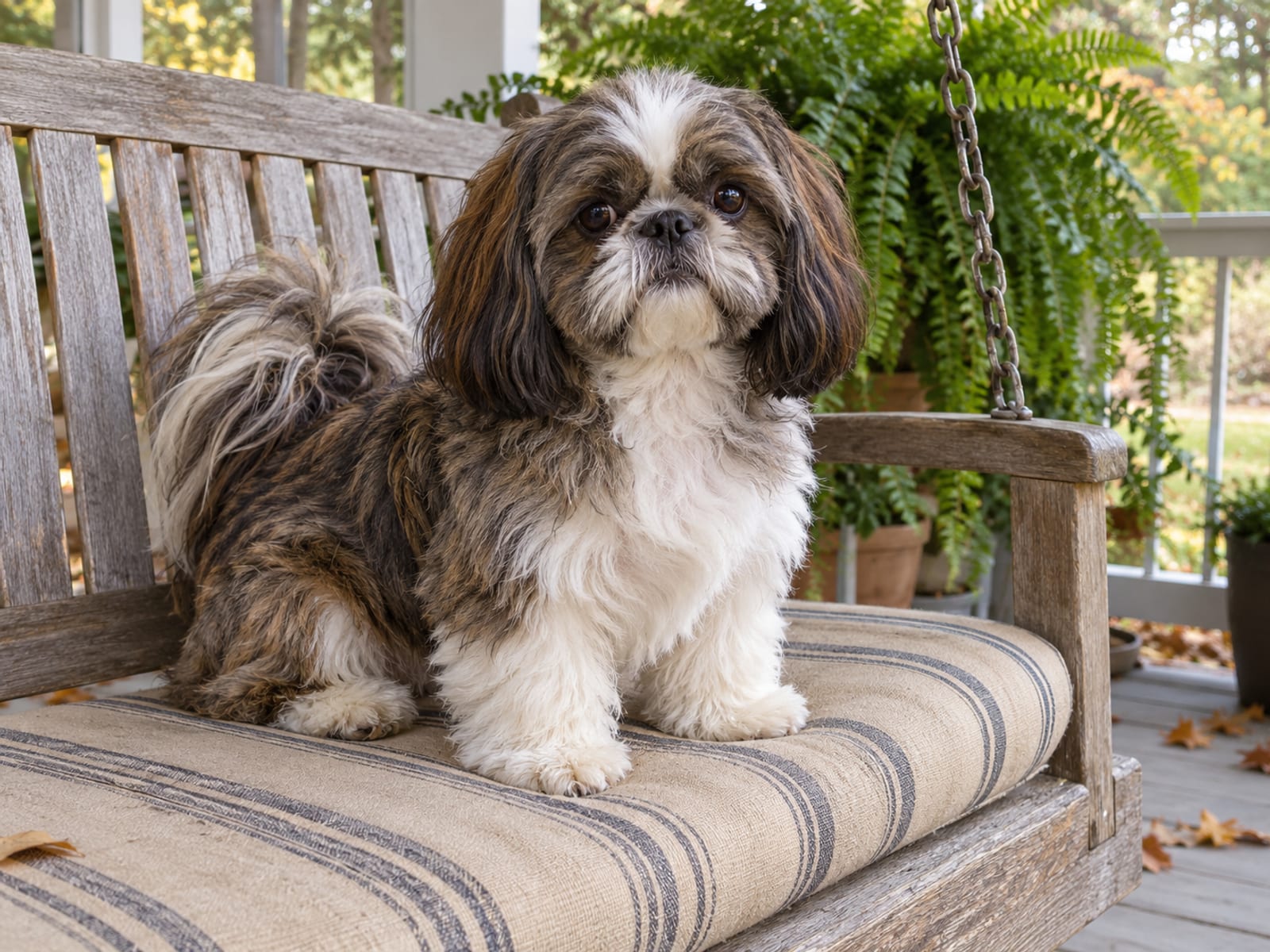
The AKC lists the Shih Tzu at 9 to 10.5 inches and 9 to 16 pounds, with a life expectancy of approximately 10 to 18 years. The long, dense double coat sheds low to moderately, with hair retained in the coat, so it needs daily brushing or regular clipping to a shorter trim. Exercise is low to moderate, and short walks and indoor play are often enough.
Shih Tzu tend to be affectionate, outgoing, playful and adaptable, and sometimes independent or stubborn. House-training and alone-time skills may call for patience.
The short-faced anatomy makes heat, exertion, anesthesia and breathing more important than size suggests, and the breed also has eye, dental, skin, ear, patella and hip concerns. Apartments often suit them, along with respectful older children, but supervision matters because of their small size and facial anatomy. A household seeking a very athletic dog, easy off-leash reliability or minimal grooming will find a poor fit.
4. Maltese
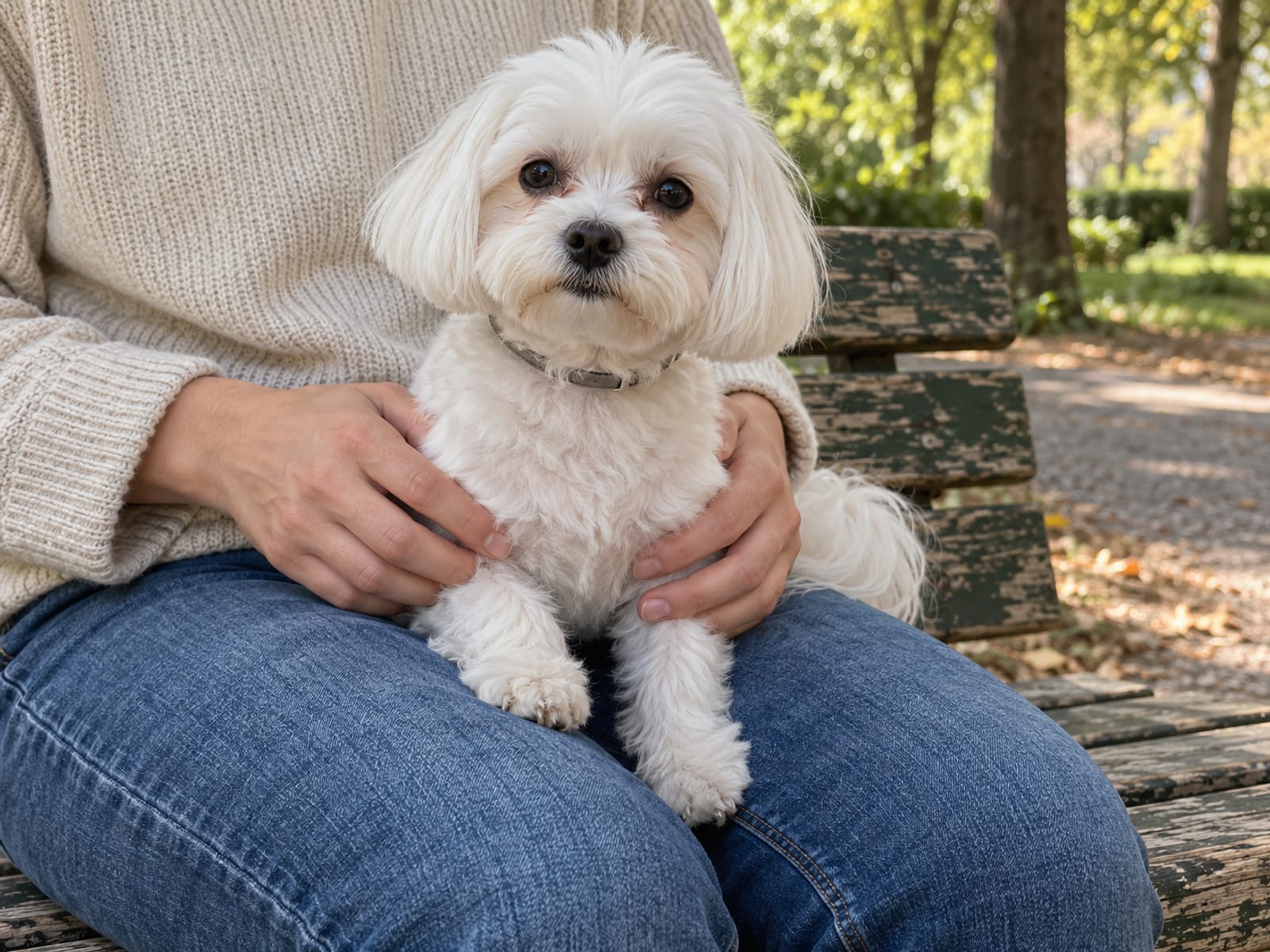
The Maltese weighs under 7 pounds and stands 7 to 9 inches, with a life expectancy of approximately 12 to 15 years, according to the AKC Maltese breed page. The long, straight, silky single coat sheds little but tangles and stains, so plan on daily care or regular clipping. Dental care is especially important, and exercise is low to moderate: short walks and play.
Temperament tends to be playful, gentle, affectionate, lively and intelligent, though some are sensitive or vocal, and alert barking can be significant. The small size creates practical fragility that should be weighed separately from companionship.
Health concerns include patellar luxation, dental disease, hypoglycemia in puppies, liver shunts, cardiac disease and eye problems. A Maltese can fit an apartment or a home with older, gentle children. Prolonged isolation is often a poor match, so gradual alone-time training is needed, and toddlers who may handle a very small dog roughly are not a good fit.
5. Bichon Frise
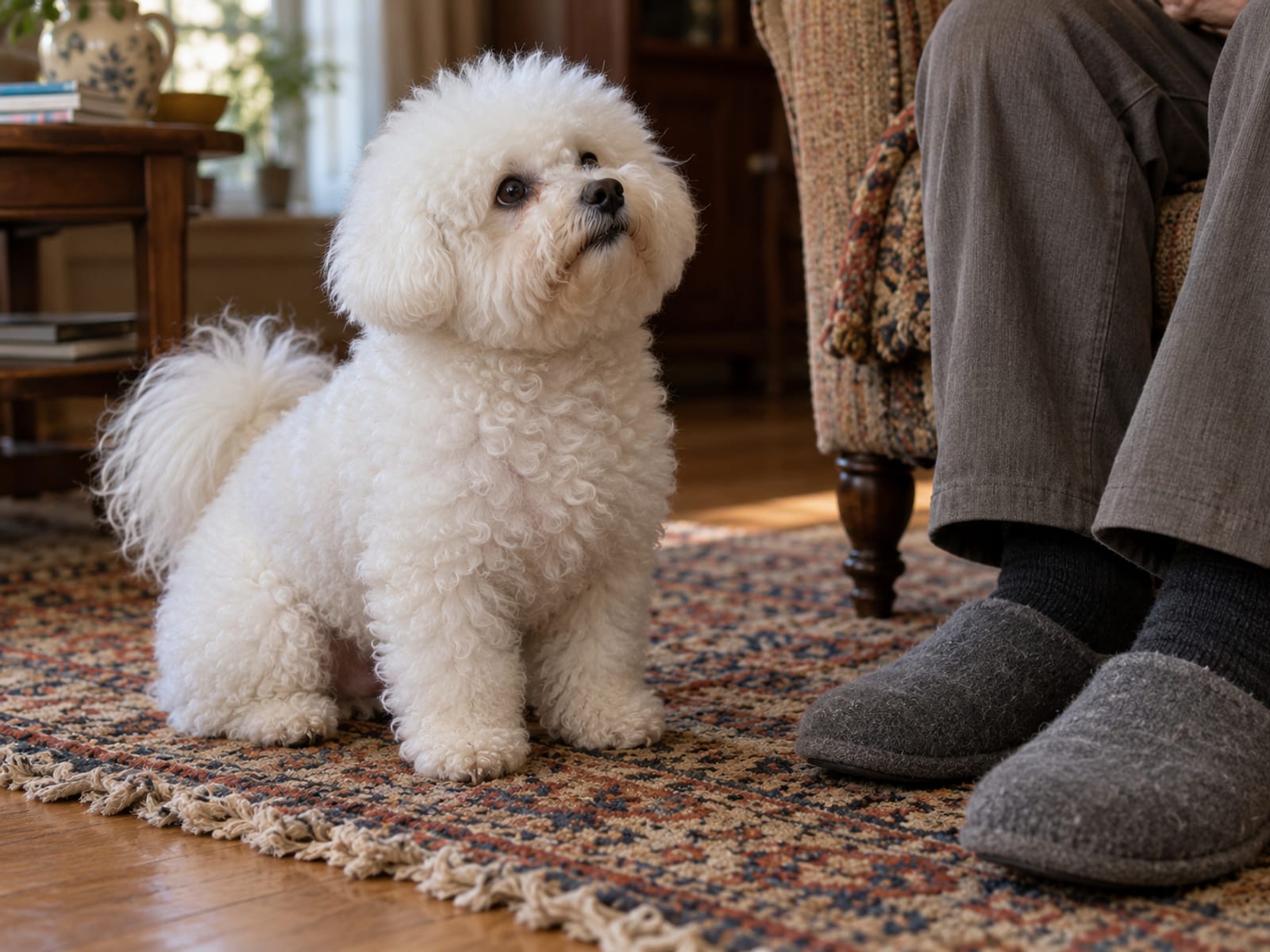
The Bichon Frise stands 9.5 to 11.5 inches, weighs 12 to 18 pounds and lives approximately 14 to 15 years, per the AKC. The curly, plush coat sheds little because loose hair stays in the coat, but that means frequent brushing and regular professional grooming, a continuing budget item. It is sturdier than the tiniest toy breeds. Exercise is moderate: daily walks and play.
Bichons tend to be curious, playful, peppy and sociable, and generally responsive to training, though some are persistent or attention-seeking. They can be alert and vocal, especially without training.
Recognized concerns include allergic skin disease, patellar luxation, dental disease, bladder stones, eye disease and liver or cardiac problems. They often adapt to children, other dogs and apartment living when exercised and socialized. Social dogs may need planned companionship, so all-day tolerance of solitude should not be assumed. A household that wants a no-grooming coat, or a dog that rarely seeks interaction, is a poor fit.
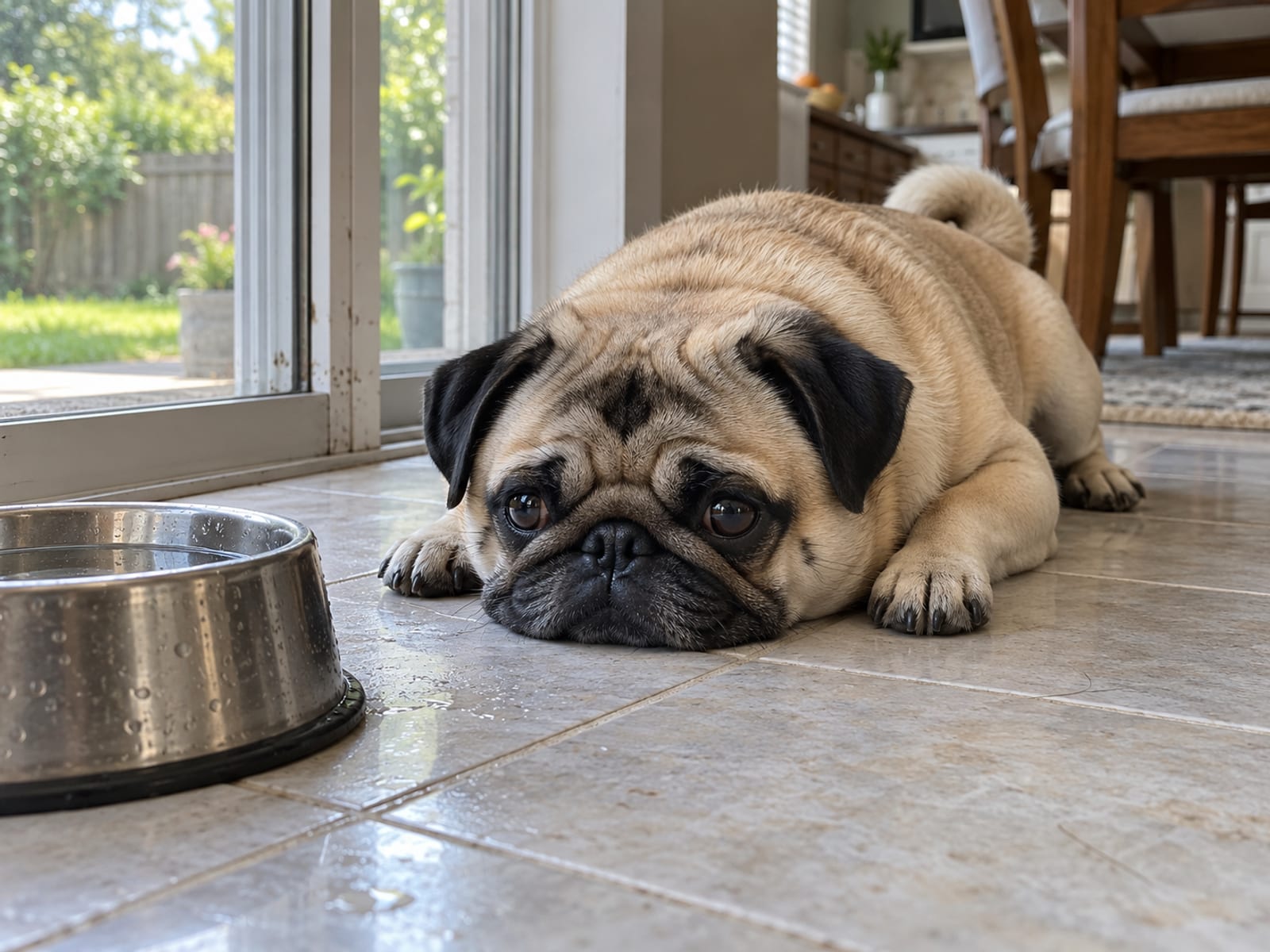
6. Pug
The Pug stands 10 to 13 inches, weighs 14 to 18 pounds and has a life expectancy of approximately 13 to 15 years, according to the AKC. The short double coat sheds moderately to heavily. Brushing is easy, but wrinkles, ears, teeth and weight need regular attention. Exercise is low to moderate, with careful heat and exertion management.
Pugs tend to be affectionate, even-tempered, playful and people-oriented, though they can be stubborn.
Respiratory and heat limits can shape the daily routine more than the dog's small size does: brachycephalic airway syndrome, heat intolerance, obesity, eye injuries, skin-fold disease and spinal and orthopedic problems are all recognized, as the Merck Veterinary Manual notes for flat-faced dogs. Pugs usually adapt to apartments and families, but children need to avoid rough play. They are a poor fit for a jogging partner, hot outdoor conditions or a household hoping to avoid vet risk.
7. Chihuahua
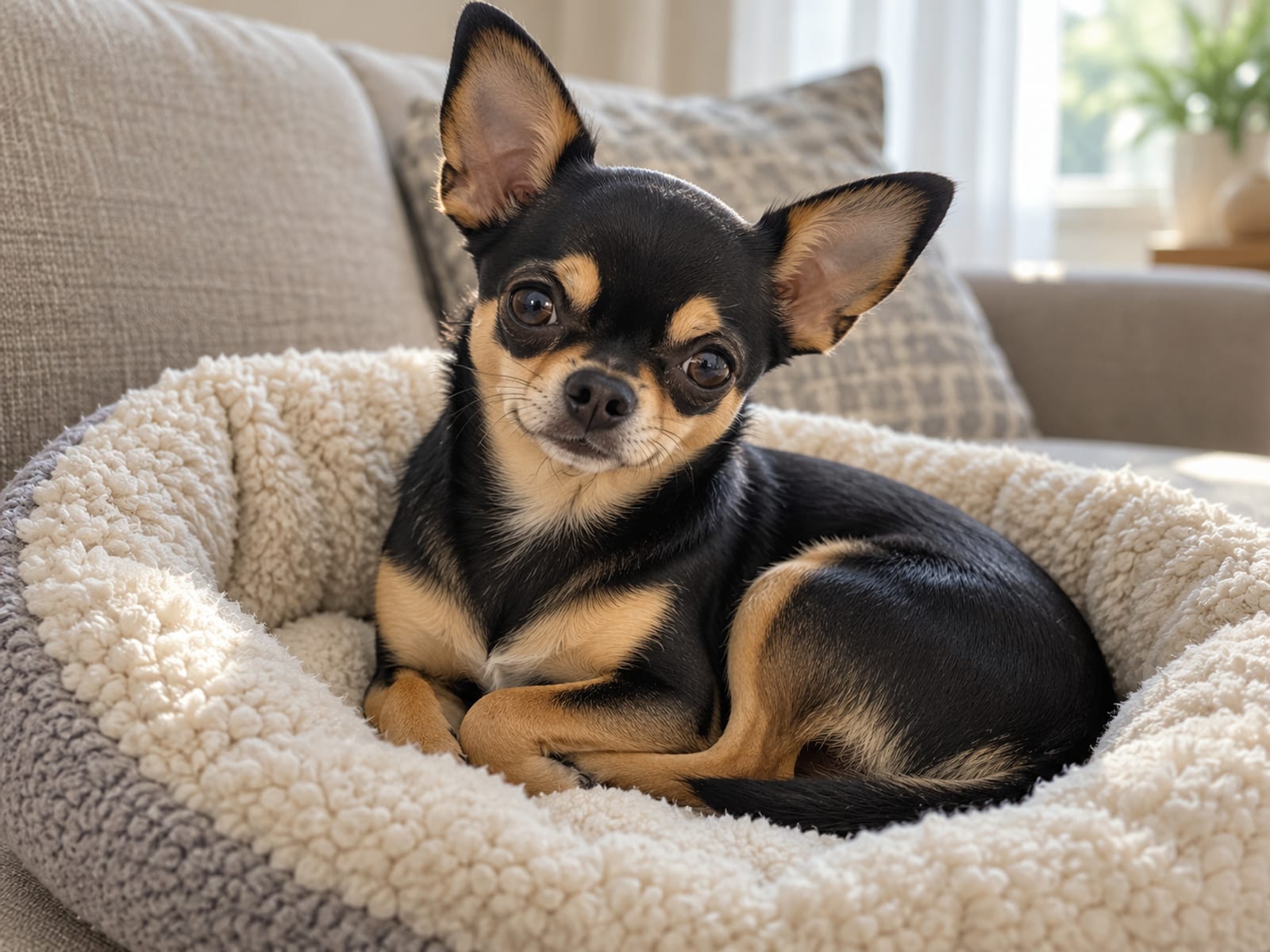
The Chihuahua stands 5 to 8 inches, usually weighs up to 6 pounds and lives approximately 14 to 16 years, per the AKC Chihuahua breed page. Smooth coats need little grooming and long coats need regular brushing, with dental and nail care for both. Exercise is low to moderate, though many are energetic in short bursts, with mental activity helping.
Temperament tends to be alert, confident, lively and loyal, and often strongly attached to one or more people. Some are wary, reactive or assertive, and alert barking is frequent. The tiny size raises injury risk and can hide fear or defensive behavior, so early socialization matters.
Health concerns include dental disease, patellar luxation, heart disease, hydrocephalus, tracheal collapse and eye disease. Chihuahuas suit apartments and do better with respectful older children and careful introductions to other pets. They are a poor fit for a household wanting a naturally quiet dog, rough-play tolerance or a universally sociable temperament.
8. Papillon
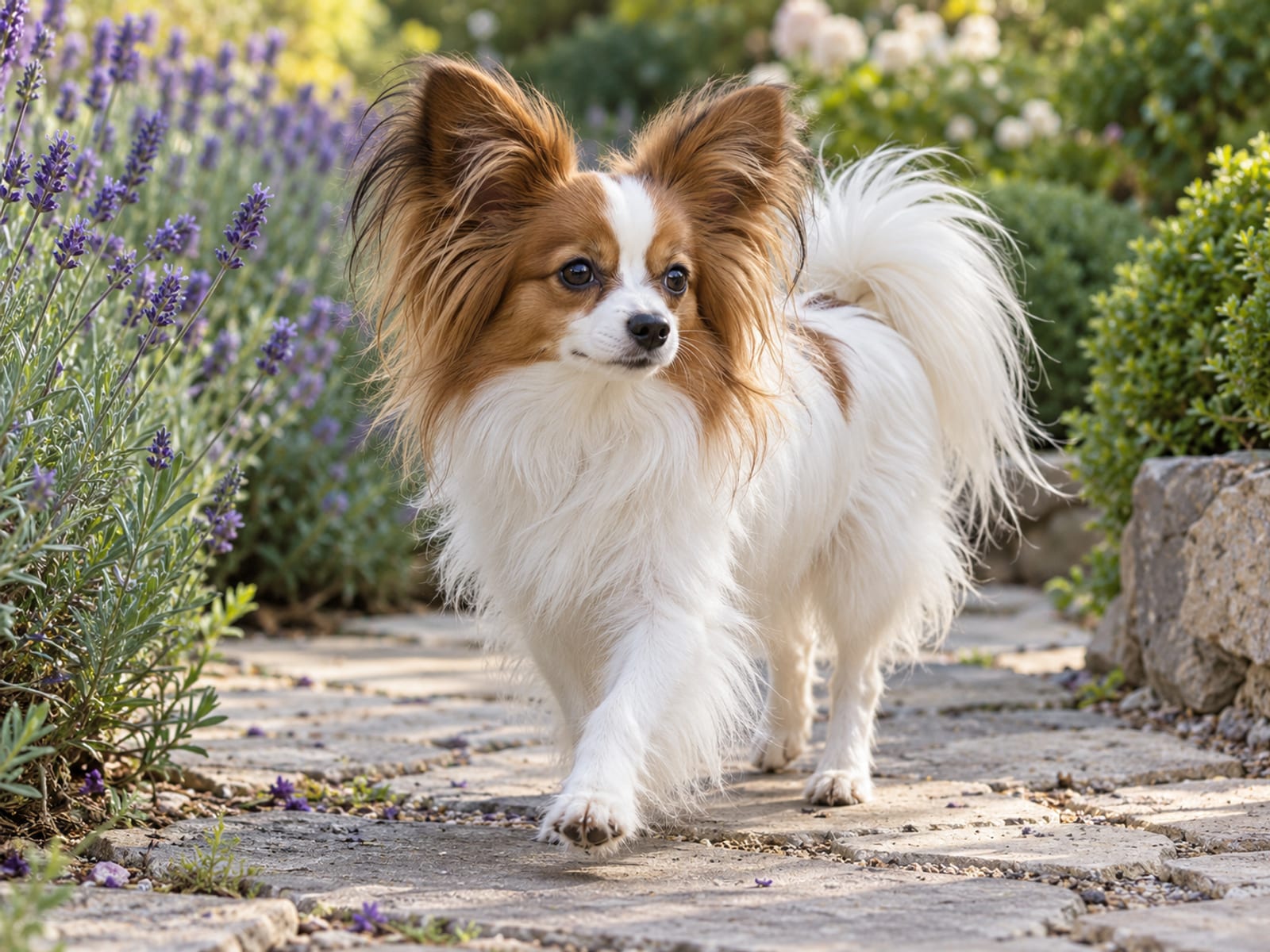
The Papillon stands 8 to 11 inches, weighs approximately 5 to 10 pounds and lives approximately 14 to 16 years, according to the AKC Papillon breed page. The long, fine, silky single coat with feathering sheds lightly to moderately and takes regular brushing, especially behind the ears and legs. It generally needs less coat work than a full-length Shih Tzu or Maltese coat.
Despite its toy size, this breed often needs more training and mental activity than a calm lapdog stereotype suggests. Papillons are intelligent, alert, energetic, friendly and highly trainable, and they enjoy walks, games and dog sports. Without enough to do, they can become noisy or demanding.
Common concerns include patellar luxation, progressive retinal atrophy, dental disease and tracheal collapse. Apartments work with exercise, and gentle children and compatible pets are the better match. A sedentary home hoping for a decorative lap companion that needs little mental work, or a household away for long stretches, is a poor fit.
9. Pomeranian
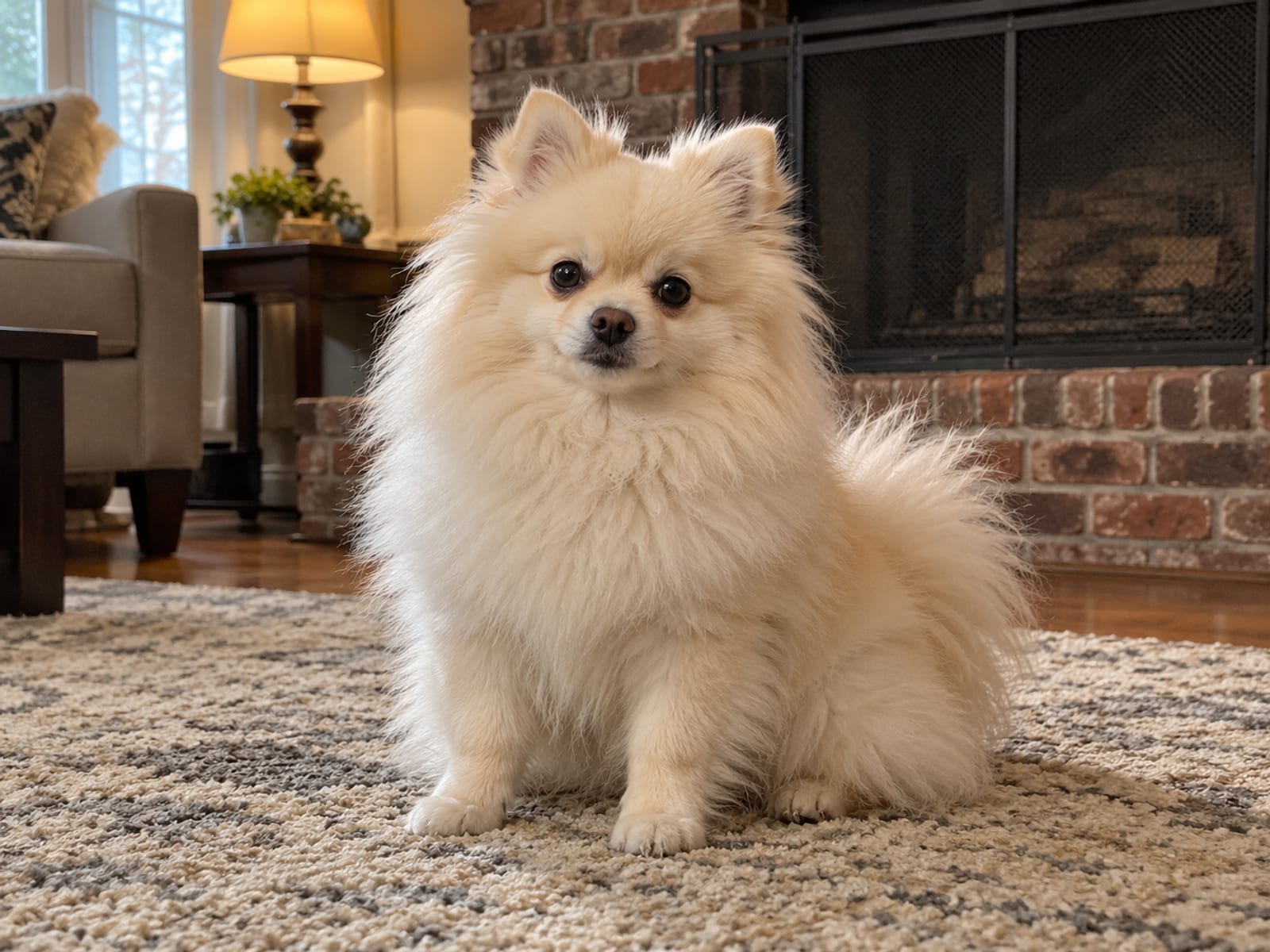
The Pomeranian stands 6 to 7 inches, weighs 3 to 7 pounds and lives approximately 12 to 16 years, per the AKC Pomeranian breed page. The abundant double coat sheds regularly and needs frequent brushing, plus dental care and careful nail care. Physical exercise needs are low to moderate, while alertness and play needs are significant.
Pomeranians tend to be lively, inquisitive, bold, affectionate and intelligent, and they can be territorial or vocal, with a high alert-barking tendency. The dense coat, small airway and fragile structure call for more grooming, heat management and careful handling than the compact footprint suggests.
Concerns include patellar luxation, tracheal collapse, dental disease, alopecia X, heart disease and eye problems. Apartments can work with training, but Pomeranians are fragile around young children and large, boisterous pets, and some individuals become vocal or distressed when left. A noise-sensitive household, or one wanting very little coat care, is a poor fit.
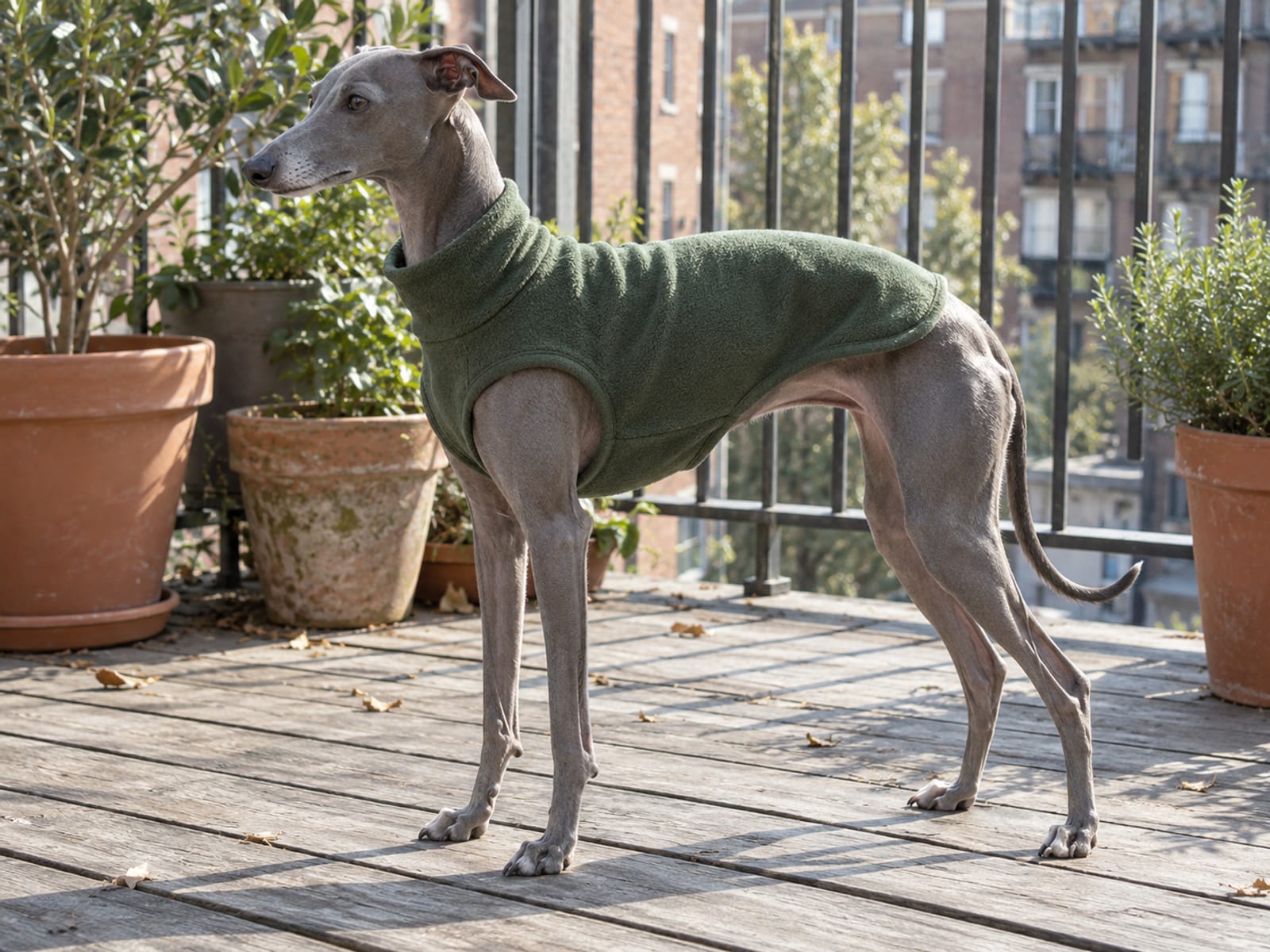
10. Italian Greyhound
The Italian Greyhound stands 13 to 15 inches, weighs 7 to 14 pounds and lives approximately 14 to 15 years, according to the AKC Italian Greyhound breed page. The very short, fine coat needs minimal grooming and sheds lightly; dental care, nail care, warmth and injury prevention matter more. Exercise is moderate, with daily walks and short bursts of running, plus plenty of rest in warm spots.
This breed tends to be affectionate, sensitive, playful and strongly people-oriented, and house-training can be difficult.
The thin limbs and sprinting style create a fracture-prevention routine unlike most other dogs here, and health concerns include leg fractures, periodontal disease, patellar luxation, progressive retinal atrophy and epilepsy. Barking is variable and generally less constant than in some toy breeds. Apartments and compatible pets can work, but the breed is fragile around young children and rough play. Long absences are often a poor match, as are homes with frequent unsupervised outdoor access or expectations of easy house-training.
The ten breeds side by side
Individual dogs vary around the breed-level ranges below.
Tap or hover a row to highlight it.
| Breed | Weight | Lifespan | Coat and shedding | Exercise |
|---|---|---|---|---|
| BreedCavalier King Charles Spaniel | Weight13 to 18 lb | Lifespan12 to 15 yrs | Coat and sheddingLong silky coat, moderate shedding | ExerciseModerate |
| BreedHavanese | Weight7 to 13 lb | Lifespan14 to 16 yrs | Coat and sheddingLong coat, low shedding, frequent brushing | ExerciseModerate |
| BreedShih Tzu | Weight9 to 16 lb | Lifespan10 to 18 yrs | Coat and sheddingLong double coat, low to moderate shedding | ExerciseLow to moderate |
| BreedMaltese | WeightUnder 7 lb | Lifespan12 to 15 yrs | Coat and sheddingLong silky coat, low shedding | ExerciseLow to moderate |
| BreedBichon Frise | Weight12 to 18 lb | Lifespan14 to 15 yrs | Coat and sheddingCurly coat, low shedding, regular grooming | ExerciseModerate |
| BreedPug | Weight14 to 18 lb | Lifespan13 to 15 yrs | Coat and sheddingShort double coat, moderate to heavy shedding | ExerciseLow to moderate |
| BreedChihuahua | WeightUp to 6 lb | Lifespan14 to 16 yrs | Coat and sheddingSmooth or long coat, light to moderate shedding | ExerciseLow to moderate |
| BreedPapillon | Weight5 to 10 lb | Lifespan14 to 16 yrs | Coat and sheddingSilky coat, light to moderate shedding | ExerciseModerate to high |
| BreedPomeranian | Weight3 to 7 lb | Lifespan12 to 16 yrs | Coat and sheddingAbundant double coat, regular shedding | ExerciseLow to moderate |
| BreedItalian Greyhound | Weight7 to 14 lb | Lifespan14 to 15 yrs | Coat and sheddingVery short coat, light shedding | ExerciseModerate |
Questions readers ask about companion dogs
These are the questions that come up most often when someone wants a dog mainly for company.
What's the best dog breed for companionship?
There is no universally best breed. For a calm household and a close bond, the Cavalier King Charles Spaniel, Havanese, Shih Tzu, Maltese, Bichon Frise and some individual Pugs may fit, depending on health, grooming, exercise, noise and alone-time needs. An adult dog with a known temperament can be a more predictable match than choosing by breed label alone. For help on size, see our small dog breeds.
What dog is most attached to its owners?
No reliable evidence names one breed as the most attached. Many companion breeds are people-oriented, but strong attachment can also raise the need for gradual alone-time training. As noted above, the Merck Veterinary Manual says that following family members around does not by itself predict separation anxiety.
Which dog is the most faithful and affectionate?
No breed is proven to be more faithful or affectionate for everyone. The Cavalier, Havanese, Shih Tzu, Maltese, Bichon Frise, Chihuahua and Pug are often described as close to their families, but the individual dog, early socialization and daily life matter more than a breed label.
What dogs are best in pairs?
Dogs that are social with other dogs may enjoy a compatible second dog, but compatibility depends on age, play style, resources, health, introductions and temperament. Cavaliers, Havanese, Bichons and many Papillons can be socially adaptable, though pairing success depends on the individual dogs.
Are dogs happier with a second dog?
Not necessarily. Some dogs benefit from canine company, while others prefer people, want personal space or get stressed by sharing a home. A second dog also doubles routine, vet, training and financial responsibilities, so choose based on the dog you have rather than the assumption that one dog needs another.
Can a dog love two owners equally?
Dogs can form strong attachments to more than one person. Their behavior often differs by person, because one may handle walks, feeding, training, play or comfort.
What dog can be left alone all day?
Every dog needs a break in the day. Puppies, older dogs, dogs with medical needs and dogs with separation-related distress may need extra support. An adult dog's history and ability to settle alone matter more than a breed slogan. VCA's guidance is a good starting point for building alone-time skills.
Which dog is the calmest and most obedient?
No breed is always the calmest or most obedient. Shih Tzu, Cavalier King Charles Spaniels and Bichon Frise can adapt to quiet homes, but each needs different training, grooming, exercise and health care. Obedience builds through consistent training and management.
Which companion dogs suit seniors?
A good match depends on mobility, balance, housing, grooming budget, finances, support network and desired exercise. Moderate-energy small breeds such as the Cavalier, Shih Tzu, Bichon Frise, Maltese, Havanese and some Pugs may fit particular older adults, according to the AKC's senior-friendly breed guidance, but breed-linked health risks and the dog's physical manageability matter. An adult rescue or retired companion with a known temperament may suit too. Check the strength to hold a leash and the budget for grooming and vet care.
How do I choose which breed to get?
Start with your schedule, the hours the dog will be alone, your ability to walk and train, your grooming and vet budget, barking tolerance and whether children or other animals live with you. A small breed can still mean a lot of work. The AKC's apartment dog guide is a helpful check, and our apartment dog breeds and lower-shedding breeds lists cover related choices.
Where to go from here
If shedding is part of the choice, our lower-shedding dog breeds list is a good next read. Woof Wag Nation has more breed guides in the dog breeds library, and the free Woof Wag Nation newsletter sends one practical dog guide each week,.
Sources
- AKC, Toy Group
- FCI, Group 9 classification
- AKC, Bichon Frise
- AKC, 2025 registration rankings
- ADA.gov, Service Animals
- ADA.gov, Service Animal FAQs
- HUD, Assistance Animals
- Stanley et al., 2014, pet ownership and loneliness among older adults
- International Journal of Geriatric Psychiatry, 2026
- BMC Psychology, 2024
- Systematic review of pet ownership, loneliness and social isolation, 2023
- Merck Veterinary Manual, Behavior Problems of Dogs
- VCA, Separation Anxiety in Dogs
- AKC, Cavalier King Charles Spaniel
- Cavalier King Charles Spaniel Club health statement
- AKC breed pages: Havanese, Maltese, Papillon, Pomeranian and Italian Greyhound
- Orthopedic Foundation for Animals, breed health database
- AKC, Shih Tzu
- AKC, Pug
- Merck Veterinary Manual, brachycephalic syndrome
- AKC, Chihuahua
- AKC, dog breeds for seniors
- AKC, best dogs for apartments
- DogServ