
Breed list
10 Dog Breeds Built for Cold Climates, and What Winter Asks of You
Ten cold-weather dog breeds, from Huskies to Keeshonds, with size, coat, shedding and summer care, plus how to keep any dog safe outside in winter.
Breeds
Narrow breeds by what matters in your home: size, energy, grooming, shedding and time alone.
The right dog depends on your household, not on a universal "best breed." Start with the parts of your day a dog will change: adult size, energy and exercise, grooming, shedding, trainability, time alone and who else lives in your home. Each one is its own question. A small dog can still need a lot of exercise, and a lower-shedding coat can still need a lot of grooming.
Breed tendencies help you build a shortlist, and the AAAAI says no dog breed is truly hypoallergenic.
Narrow the field by household factors first, learn what the registry groups mean, then open two or three breed pages for a closer look.
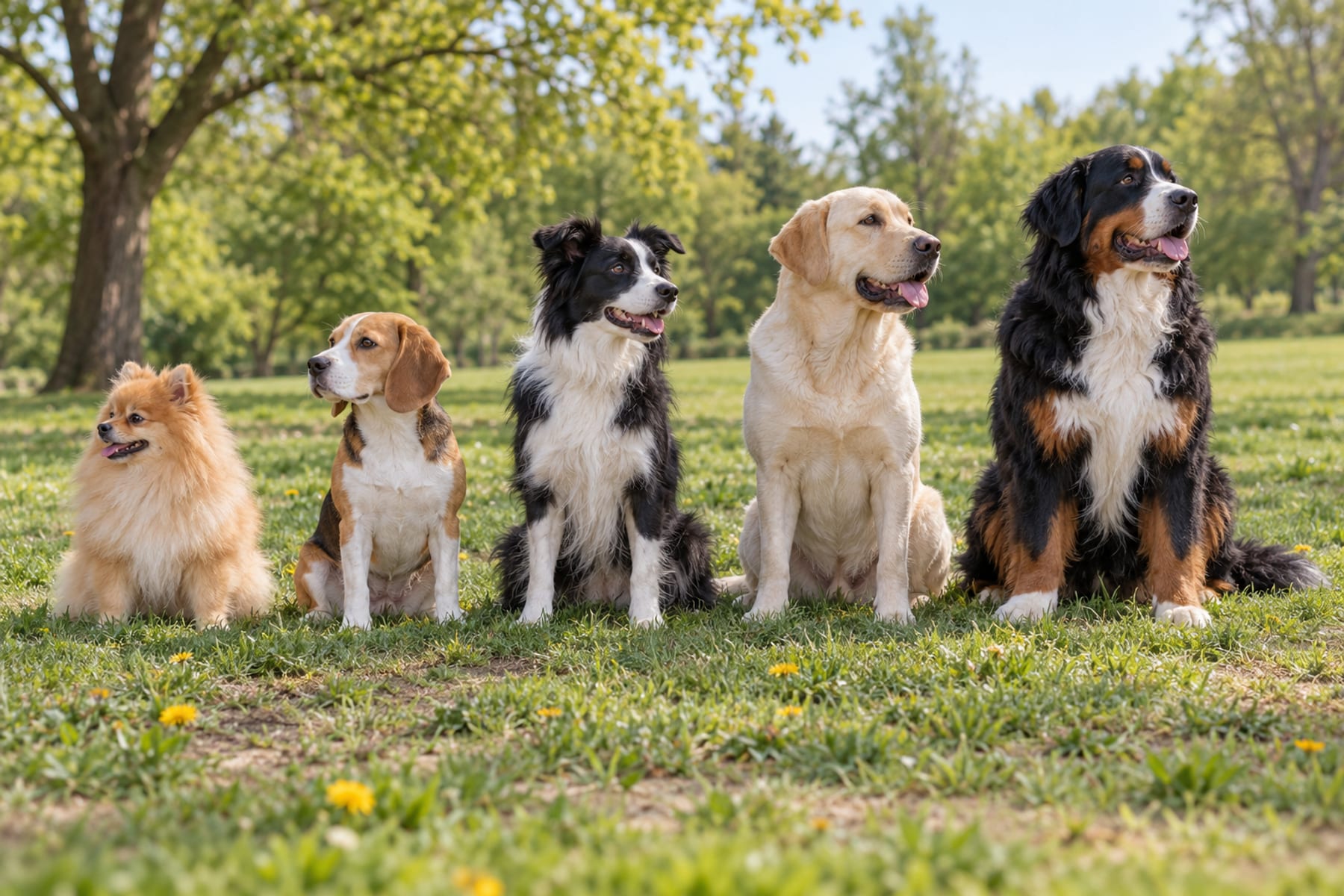
Begin with the factors that change daily life, and keep them separate so one does not hide another.
Adult size affects handling, travel, sleeping space, stairs and how much exercise a dog tolerates. Energy and exercise cover both physical activity and mental work. Coat care and shedding are about brushing, clipping, bathing and grooming costs. Trainability is better read as responsiveness, persistence, independence and motivation than as intelligence alone.
Time alone and children deserve extra care. How a dog handles being alone depends heavily on the individual dog, its early experience, your routine and your home. Children are one household factor that always needs supervision and a look at the specific dog.
The AKC's Dog Breed Selector asks about dog experience, training time, home type, children, barking tolerance, shedding tolerance and activity level. Those are good questions to ask yourself before you look at a single photo.

A breed group is a registry's way of sorting breeds, so a group name only means something once you know whose list it comes from.
The American Kennel Club uses seven groups: Sporting, Hound, Working, Terrier, Toy, Non-Sporting and Herding. It recognizes 205 breeds as of January 1, 2026. The United Kennel Club sorts breeds into eight groups, including Companion, Guardian Dog, Gun Dog, Northern Breed and Scenthound, and lists more than 300 recognized breeds.
The Fédération Cynologique Internationale uses ten groups under its international nomenclature, with 360 breeds recognized on a definitive or provisional basis. "Herding," "Working" and "Guardian" do not line up neatly from one registry to the next, so check which registry a label comes from.
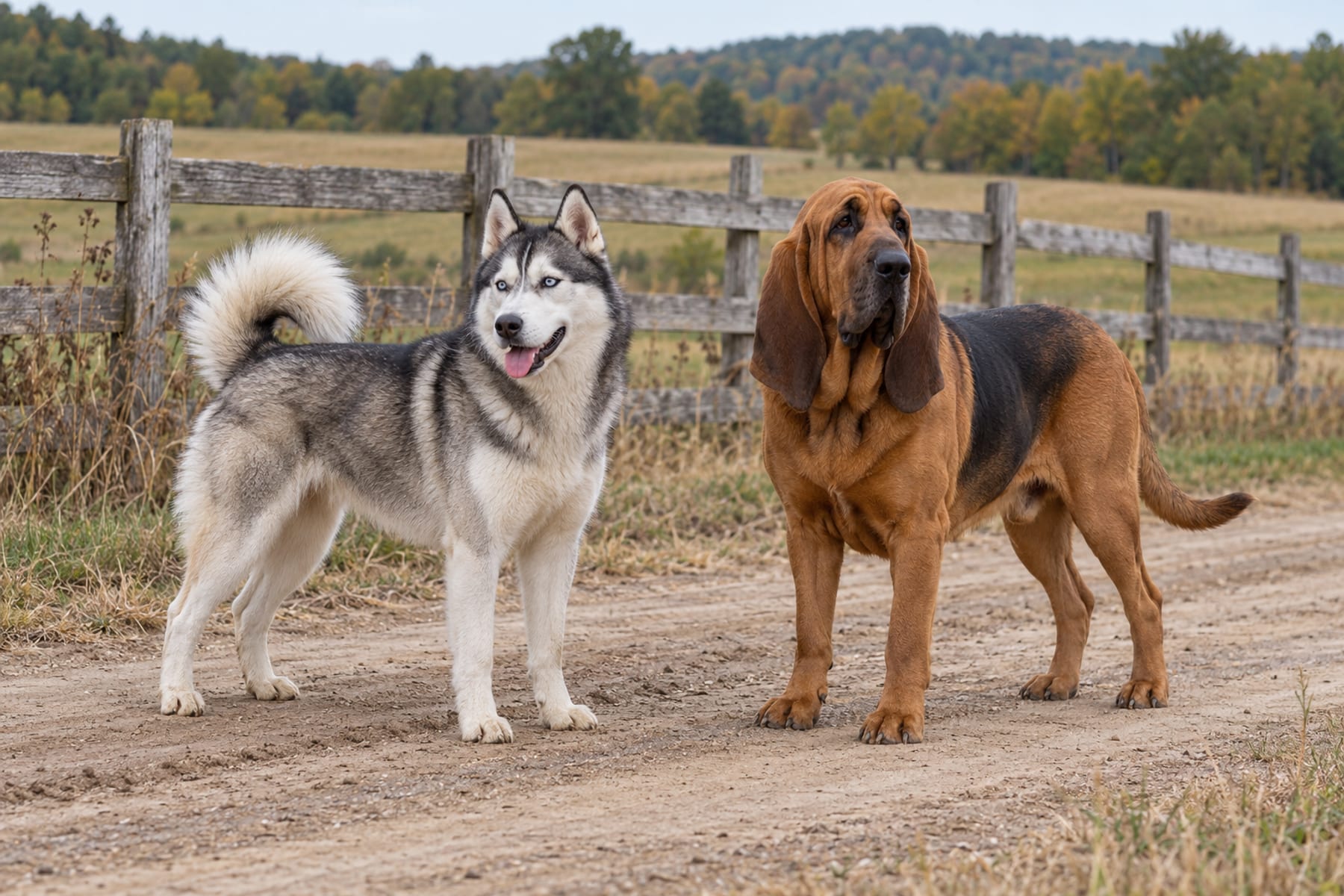
Breed is a good guide to physical traits like size and coat, and a rougher guide to behavior.
A 2022 study in Science combined owner reports on about 18,000 dogs with genetic data from about 2,000. Breed explained about 9% of the behavioral variation between individual dogs, and no measured trait belonged to only one breed or showed up in every dog of a breed. A 2019 study did find real, heritable differences between breeds, but one dog can act very differently from its breed's average.
The AVMA recommends looking at the individual dog, your household and your lifestyle together. In practice, use breed to anticipate needs, then meet the dog, ask about its history and health, and watch how it behaves. For health or behavior questions, talk with a veterinarian or another qualified professional.
If you already have a question in mind, these lists answer it directly.
For a compact dog, start with 10 small dog breeds, and keep in mind that a small dog can still need a lot of exercise and care. If hair around the house is the concern, read about lower-shedding dog breeds, which covers coat care and keeps shedding separate from allergy questions. If your schedule is tight, try low-maintenance dog breeds.
New to dogs? The list of 5 best dog breeds for first-time owners is a gentle place to begin. Renters can check 9 apartment dog breeds, and households with children can read 9 family-friendly dog breeds. Treat a "family-friendly" label as a starting point, then meet the individual dog.
Choose the factors that matter in your household and use them to make a shortlist of breeds to compare. The breed lists are a good place to start.
Open two or three breed pages, compare them side by side, and spend time around individual dogs before you decide. If you would rather keep browsing, the weekly newsletter brings new breed guides and dog-friendly places to your inbox.
Breed list
Ten cold-weather dog breeds, from Huskies to Keeshonds, with size, coat, shedding and summer care, plus how to keep any dog safe outside in winter.
Breed list
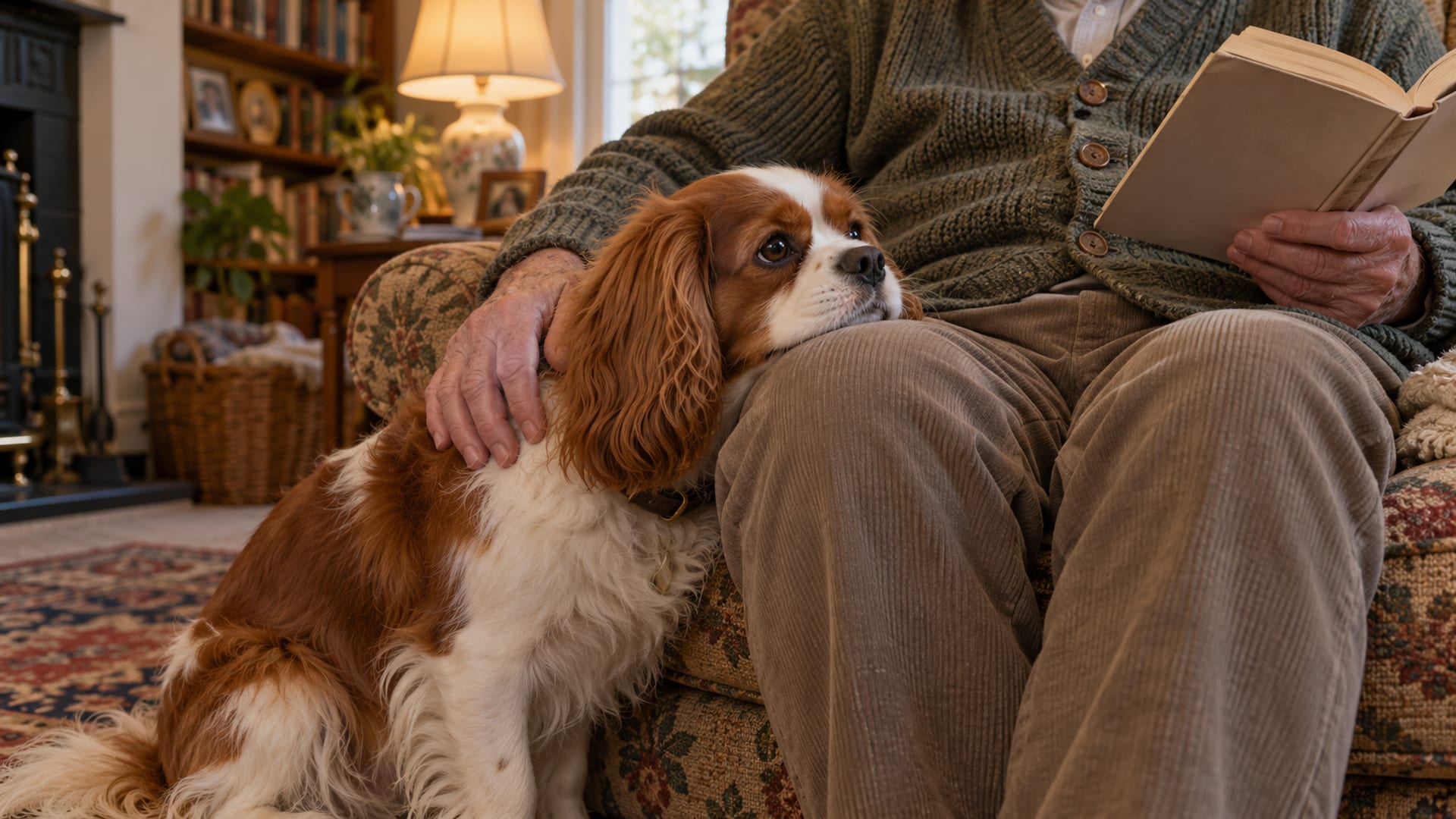
Ten companion dog breeds compared by size, lifespan, grooming and time alone, plus how companion, service, therapy and support dogs differ.
Breed list
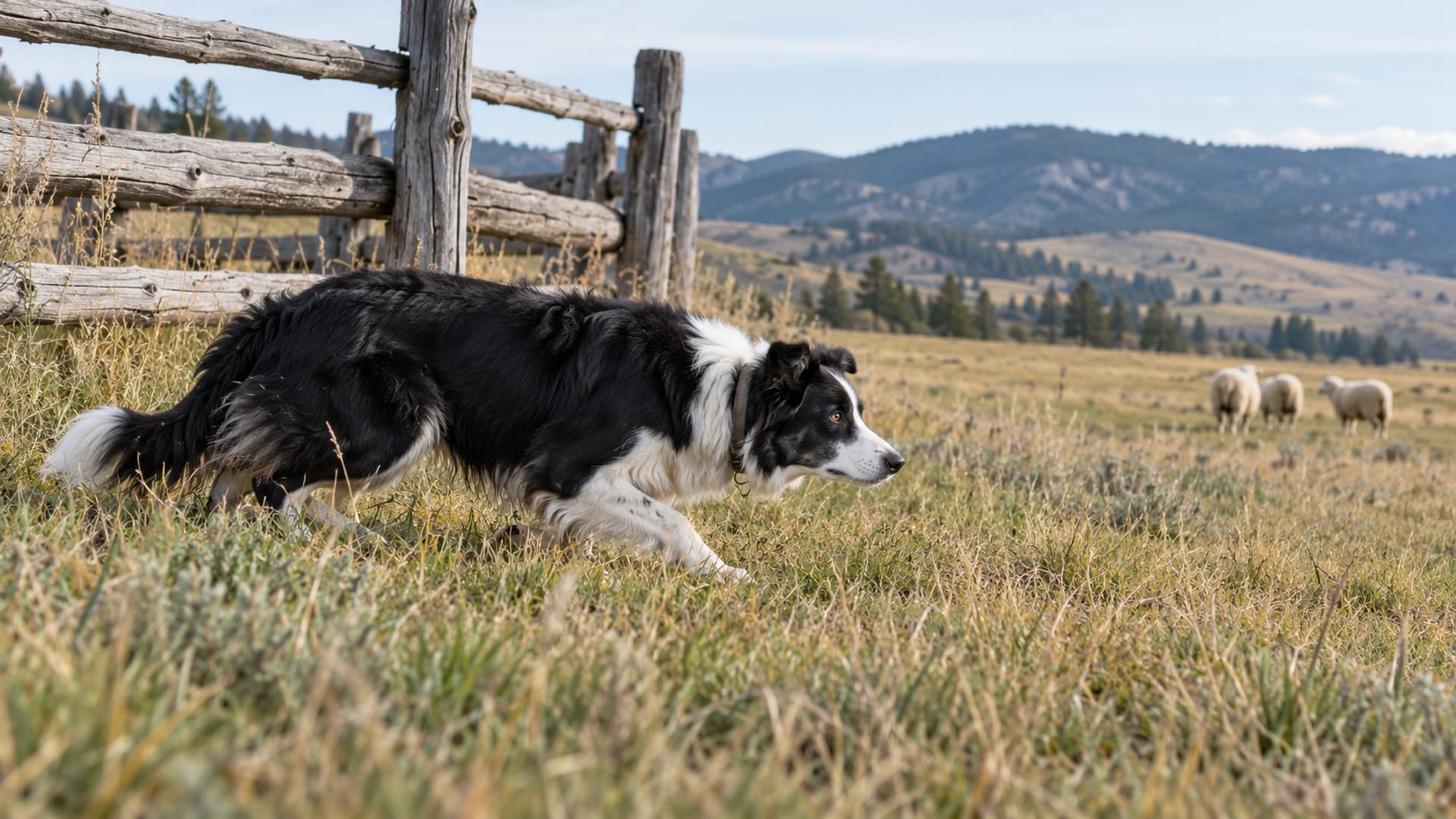
Ten working dog breeds, from herding to sled to rescue, with the exercise, training, grooming and space each needs at home, and what "working dog" means.
Breed list
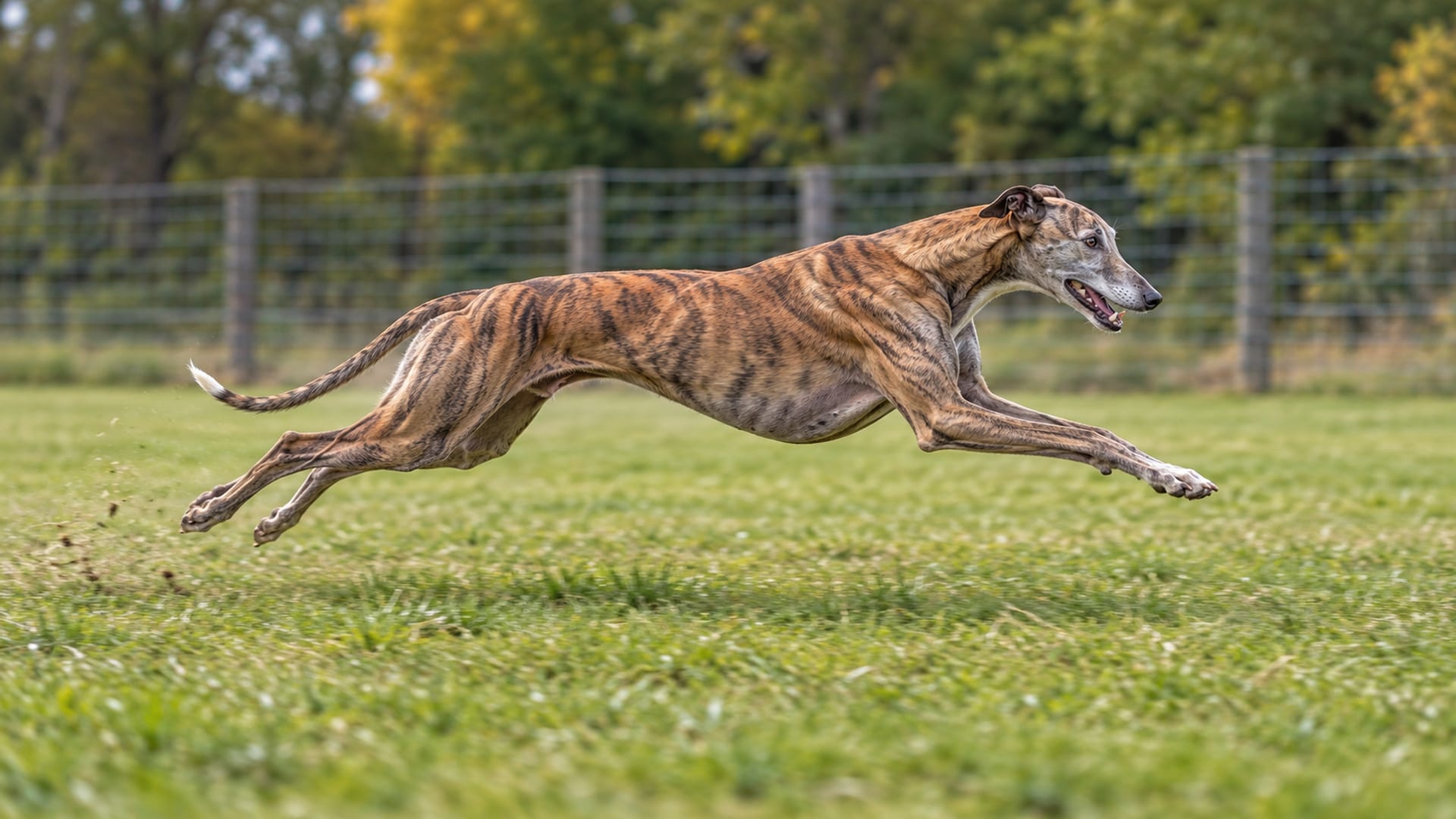
The Greyhound runs roughly 43 to 45 mph. See 10 fast breeds with sourced speeds, size, lifespan and what secure fencing and recall mean for each.
Breed list
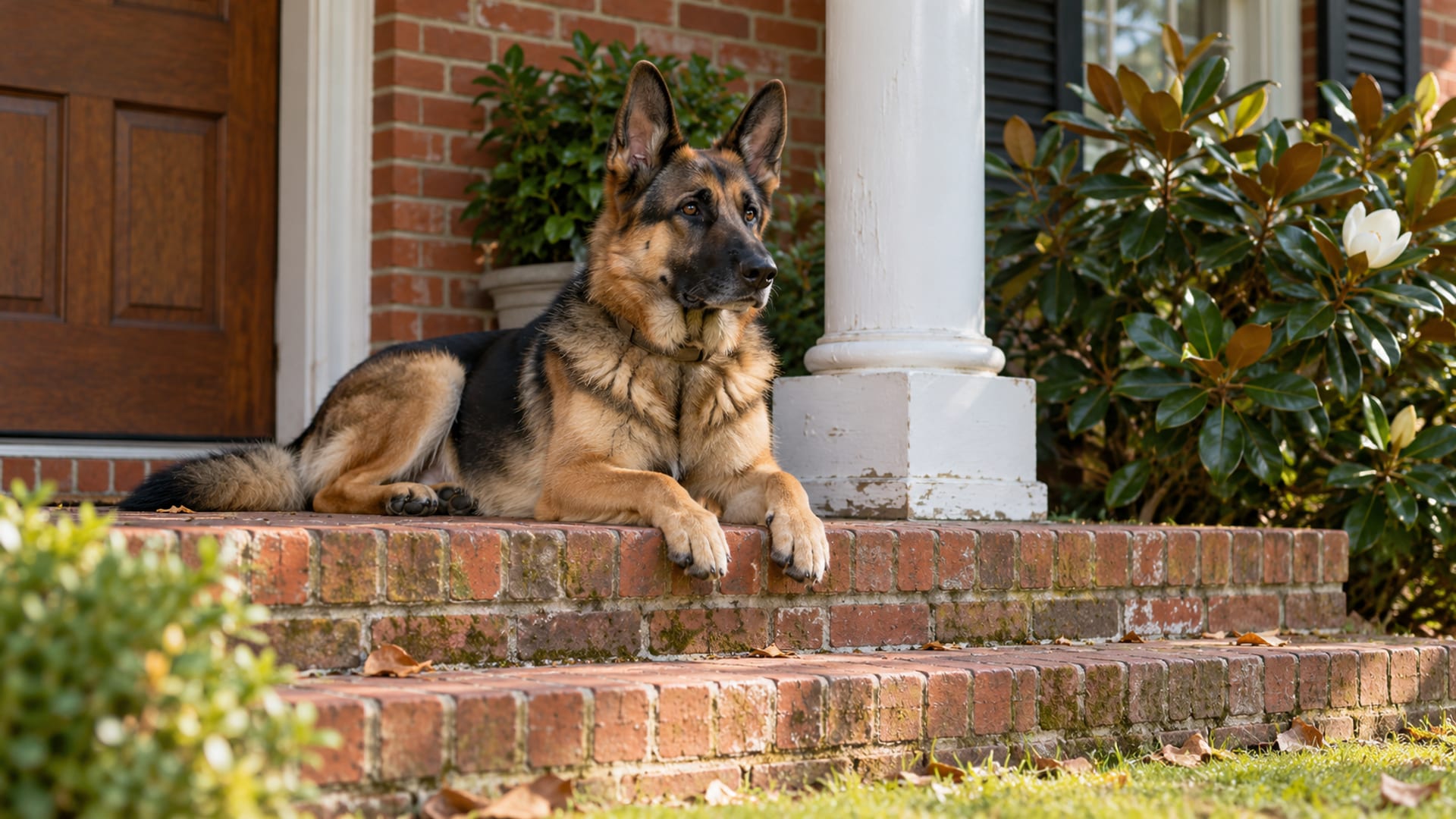
Ten watchful guard dog breeds compared by size, lifespan, grooming and exercise, plus socialization, children, pets, insurance and local rules to check first.
Breed list
Compare 10 low-maintenance dog breeds by grooming, exercise, training, health costs and time alone, plus the daily work each one still needs from you.
Breed list
Border Collies, Poodles and eight more breeds learn fast. See Coren's 1994 trainability ranking, size, lifespan and the daily mental work each one needs.
Breed list
Ten of the rarest AKC breeds by 2025 registrations, with size, lifespan, coat care, temperament and what living with an uncommon breed involves.
Breed list
Border Collie, Aussie, Malinois, Vizsla, Weimaraner, Husky and Lab: exercise needs, mental work, safe running ages and workday tips for each.