

Choosing a dog
5 Dog Breeds That Suit First-Time Owners, and What Your First Weeks Look Like
Labrador, Golden Retriever, Poodle, Cavalier and Papillon: what each breed needs, what a first dog costs, and what the first weeks look like.
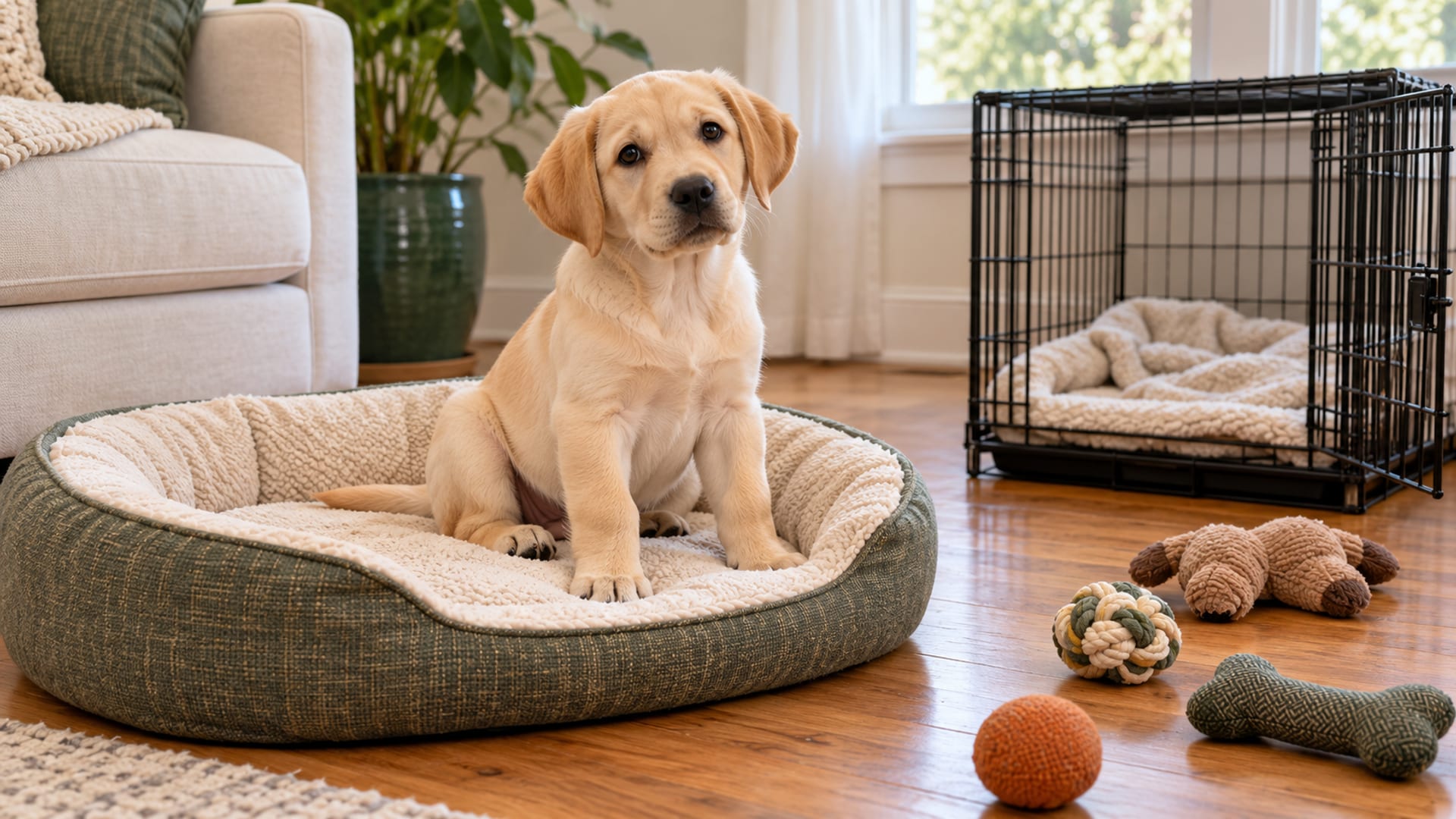
Labrador Retrievers, Golden Retrievers, Poodles, Cavalier King Charles Spaniels and Papillons are five breeds that tend to be forgiving for a first-time owner, as long as the dog's energy, grooming and companionship needs match your household. An adult shelter dog can be just as good a first choice as a puppy of any breed.
Key takeaways
Tap a card to bring it forward.
- Labrador and Golden Retrievers suit active households that want a trainable, sociable dog and can handle heavy shedding.
- Poodles trade shedding for grooming: regular brushing and clipping, in Standard, Miniature and Toy sizes.
- Cavaliers and Papillons are smaller companions that do best with company through the day, and Cavaliers call for careful attention to heart and neurological health.
- Reward-based training from the first day and a quiet, predictable routine matter more than the breed label.
- An adult or senior shelter dog with a known temperament is a legitimate first dog.
Most first-time owners are working out the same three things: how much training a dog needs, how much time it takes and what it costs. The breed narrows your options, but the individual dog, its age and the hours you can give it shape daily life more than a breed label does.
Training is the part you can start on day one. Veterinary behaviorists at AVSAB recommend reward-based training for every dog, which means teaching with food, praise and play rather than fear or force. That approach works with each of the breeds below.
What makes a breed forgiving for a first-time owner
A forgiving first dog usually pairs willingness to learn with a manageable size, exercise needs your days can meet, a coat you can realistically care for and health risks you can plan around. AKC's first-time-owner guidance includes Labrador Retrievers, Golden Retrievers, Poodles, Cavalier King Charles Spaniels and Papillons, and the five differ enough in size, energy and grooming to suit very different homes.
Three of them also sit near the top of AKC registrations: in the 2025 ranking the Labrador Retriever is second, the Golden Retriever third and the Poodle sixth. Popularity shows which breeds many households choose; the profiles below show what each one asks of you every day.
Every breed is compared on the same five points:
- Trainability and eagerness to work with people.
- Adult size and strength.
- Daily exercise and mental work.
- Shedding, brushing, clipping and dental care.
- Breed-linked health screening and the veterinary care it may involve.
These are tendencies. A calm, house-trained adult of one breed can be an easier first dog than a lively puppy of another, so use the profiles to shortlist and then meet the individual dog.
1. Labrador Retriever
Labs are large, sturdy dogs. Males stand 22.5 to 24.5 inches and weigh 65 to 80 pounds, and females stand 21.5 to 23.5 inches and weigh 55 to 70 pounds. Most live 11 to 13 years. They're friendly, outgoing and eager to take part in whatever you're doing, which is why early socialization and puppy classes pay off so well with this breed.
Exercise is the main commitment. The breed is very energetic and needs substantial daily exercise, retrieving, swimming and mental work. Fetch and water play are powerful outlets, and the same athleticism can turn into chewing and digging when a Lab is under-exercised. The short, dense double coat sheds regularly and more heavily with the seasons, so plan on regular brushing, occasional baths, nail care and frequent tooth brushing.
Ask about health history before you commit. Hip and elbow dysplasia, exercise-induced collapse, progressive retinal atrophy, heart and eye conditions, obesity and bloat all appear in the breed's profile. A breeder or rescue can tell you what testing and history exist for the dog in front of you. Labs are commonly sociable and family-oriented, and their size, exuberance and mouthiness call for supervision around young children and small animals.
A Lab suits an active household that wants a trainable, sociable companion and can give it daily exercise and company. An apartment works when you supply reliable exercise outside the home. It's a harder fit if you want a low-energy or low-shedding dog, or if the dog would spend long days without activity or people.
2. Golden Retriever
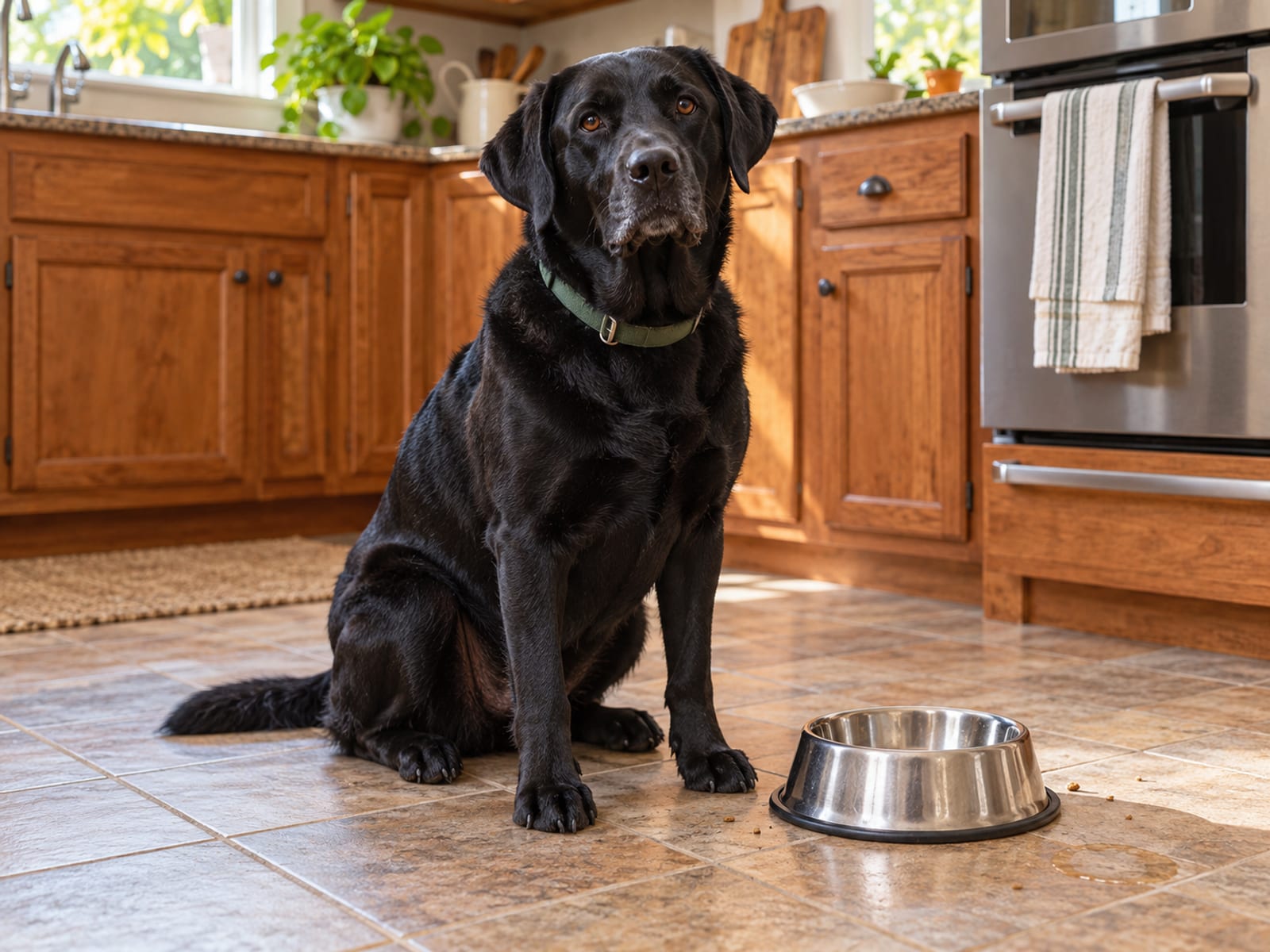
Goldens are close to Labs in size. Males stand 23 to 24 inches and weigh 65 to 75 pounds, and females stand 21.5 to 22.5 inches and weigh 55 to 65 pounds, and the typical lifespan is 10 to 12 years. Friendly, devoted and eager to please, they're relatively easy to train, which makes them a common first-time choice.
The breed was developed for long days of retrieving, so expect to provide daily exercise, outdoor play and mental activity. The dense, water-repellent double coat sheds moderately all year and heavily with the seasons. Plan on brushing once or twice a week, and daily during heavy shedding, plus occasional baths, nail care and dental care. Of the five breeds here, the Golden asks for the biggest household hair routine.
The Golden Retriever Club of America recommends screening for hips, elbows, eyes and heart. Hip and elbow dysplasia, cancer, heart disease, eye disease, hypothyroidism and skin disease are the concerns most often discussed for the breed, so ask any breeder or rescue about the dog's screening and family history.
Goldens usually do well with children when they're socialized and supervised, and their size and exuberance still need management around toddlers and small pets. A Golden suits a household that wants a people-oriented, trainable dog and can give it daily activity and company, including active owners in an apartment who exercise the dog outside. It's a poor default for people who want little shedding, minimal exercise or a dog that can be ignored during the workday.
3. Poodle
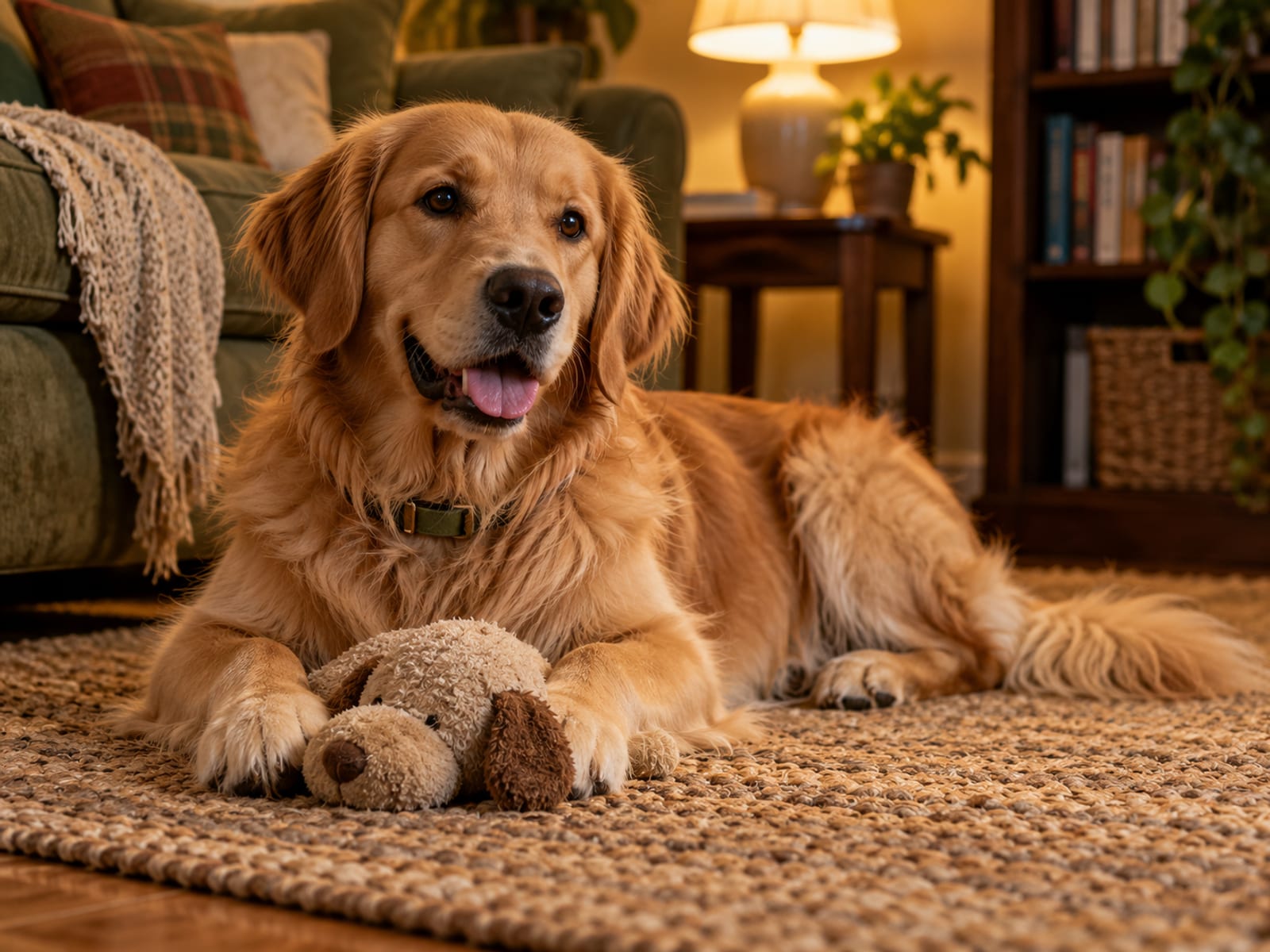
Poodles come in three varieties, and the variety changes the size you live with. The Standard stands over 15 inches at the shoulder, and typical Standard males weigh 60 to 70 pounds and females 40 to 50 pounds. Miniature Poodles are 15 inches or under, and Toy Poodles are no more than 10 inches. The Standard's lifespan is 10 to 18 years.
Poodles are extremely intelligent, people-oriented and athletic, and they learn quickly when training is consistent and positive. They need both physical activity and mental stimulation, so food puzzles, trick training and daily walks all earn their place in the routine. Barking is influenced by alertness, boredom and training, and clear routines help.
The curly coat is relatively low-shedding, which means less loose hair around the house; it also means daily brushing to prevent matting when the coat is kept long, and regular professional clipping. Shedding is a grooming fact rather than an allergy answer, because dog allergens come from dander, saliva and other sources. Anyone with allergies can spend time with the specific dog and talk to an allergist first. For more lower-shedding options, see the breeds that shed less.
Health concerns include hip dysplasia, progressive retinal atrophy, sebaceous adenitis, von Willebrand disease and, in Standards, gastric dilatation-volvulus; the Poodle Club of America health page covers the variety you choose. A Poodle suits an owner who will brush, schedule clipping and give the dog daily mental work, in a house or an apartment. It's a harder fit for anyone who wants a wash-and-wear coat or a dog that doesn't need daily engagement. Toys and Miniatures are more vulnerable to rough handling by small children.
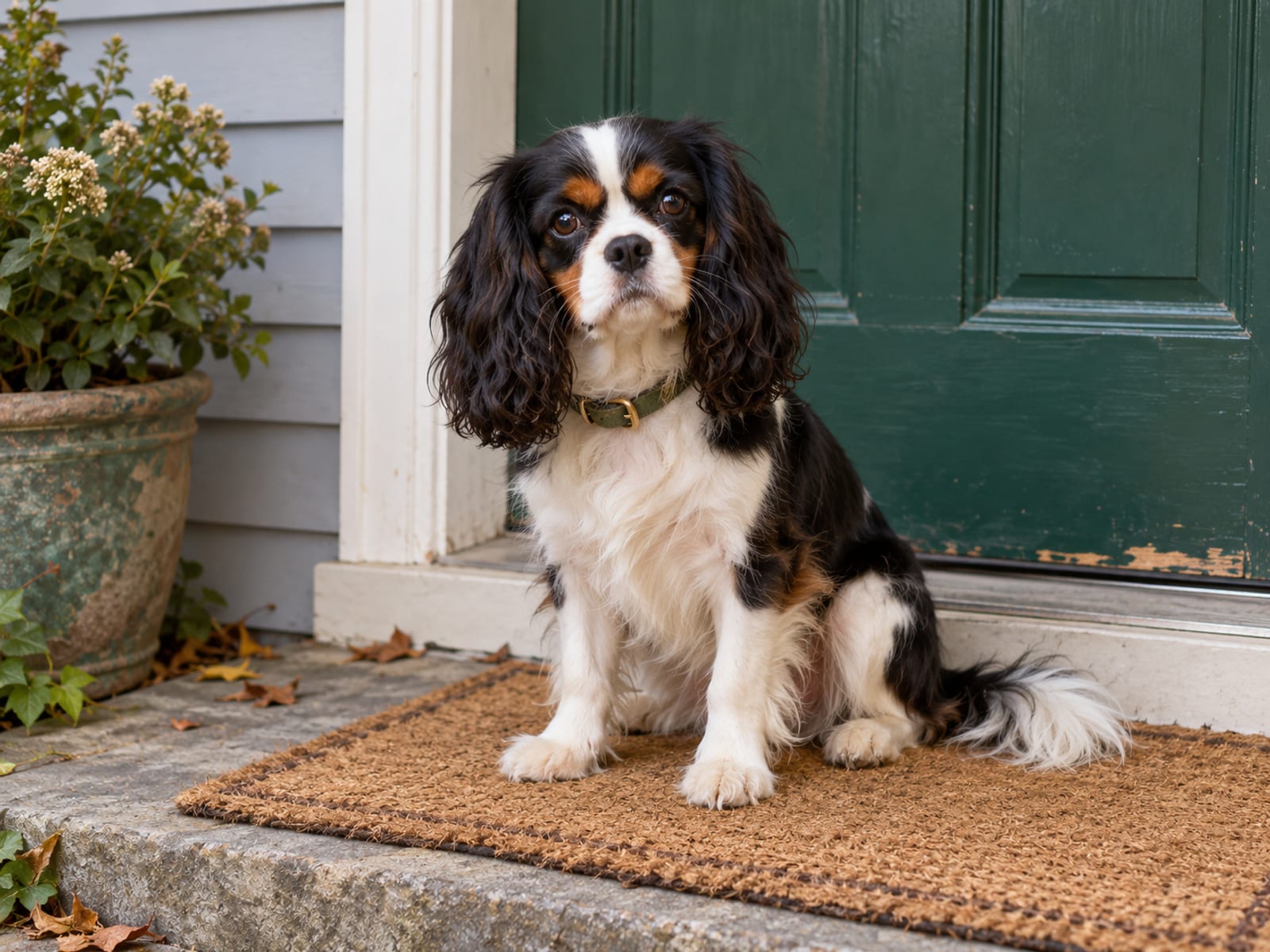
4. Cavalier King Charles Spaniel
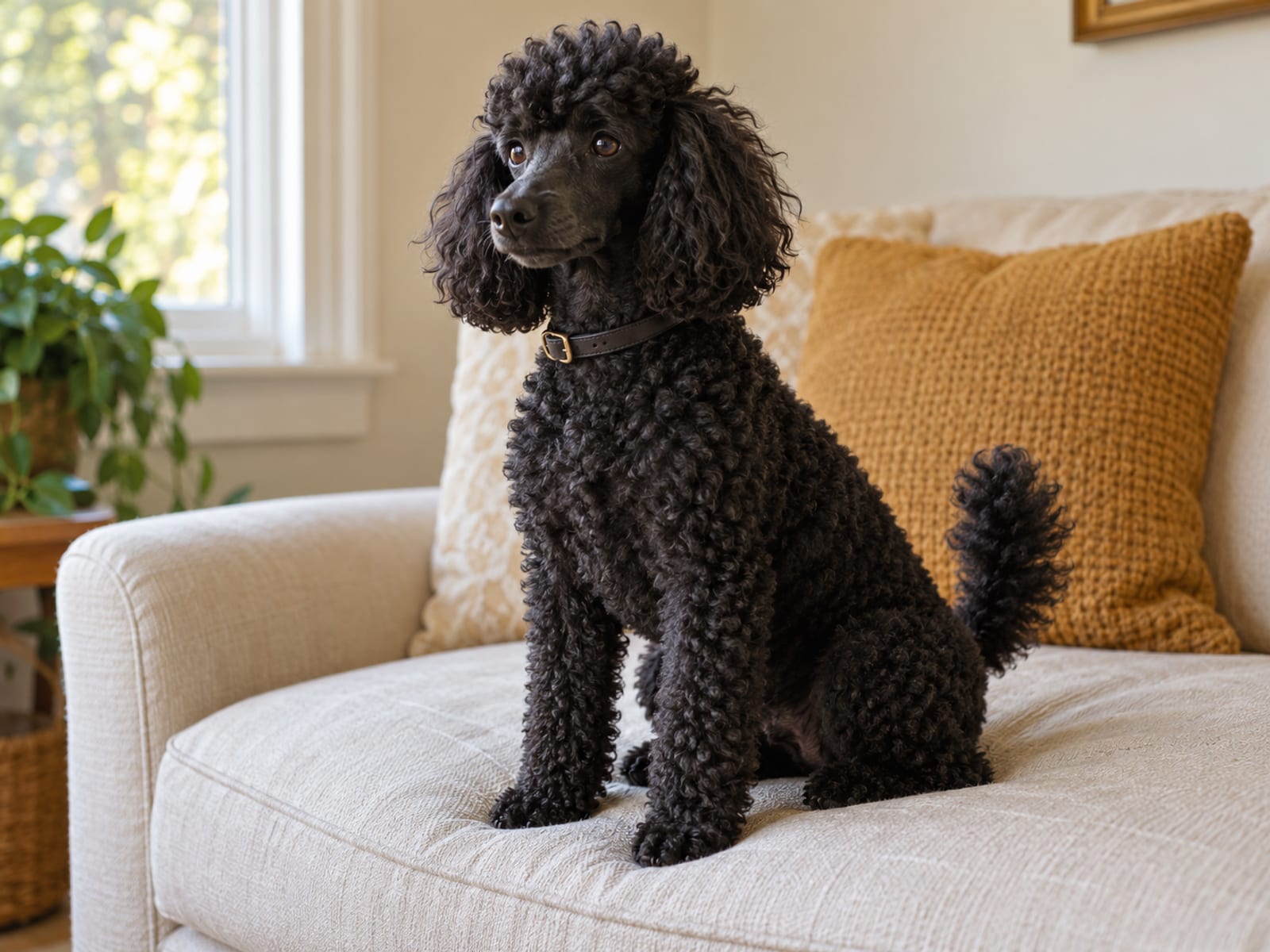
Cavaliers are small: 12 to 13 inches tall and 13 to 18 pounds, with a lifespan of 12 to 15 years. They're sweet, gentle and affectionate, friendly with strangers and other animals, and generally easy to train. Exercise is moderate: they enjoy walks and outdoor time, and they're just as happy to settle on the sofa afterward. Their sporting ancestry means they often enjoy more activity than their lapdog looks suggest.
The long, silky, feathered coat sheds regularly and needs frequent brushing to prevent tangles, along with ear checks, nail care, occasional baths and dental care. Plan the ear checks as a weekly habit.
Health is the part to take seriously. Mitral valve disease, syringomyelia, eye disease, hip dysplasia and patellar luxation are all documented in the breed. The American Cavalier King Charles Spaniel Club recommends heart, eye, hip and patella screening and discusses syringomyelia, so ask for screening records and budget for veterinary follow-up.
Cavaliers are strongly companion-oriented, which makes long, frequent absences a poor default. They're commonly good with children and other animals when introductions are supervised, and their small size means rough handling can injure them. They often fit apartment life well when they get walks, company, training and regular veterinary care. A Cavalier suits a household that can offer steady companionship and plans for the breed's heart and neurological health. For more small companions, see the small dog breeds and companion dog breeds.
5. Papillon
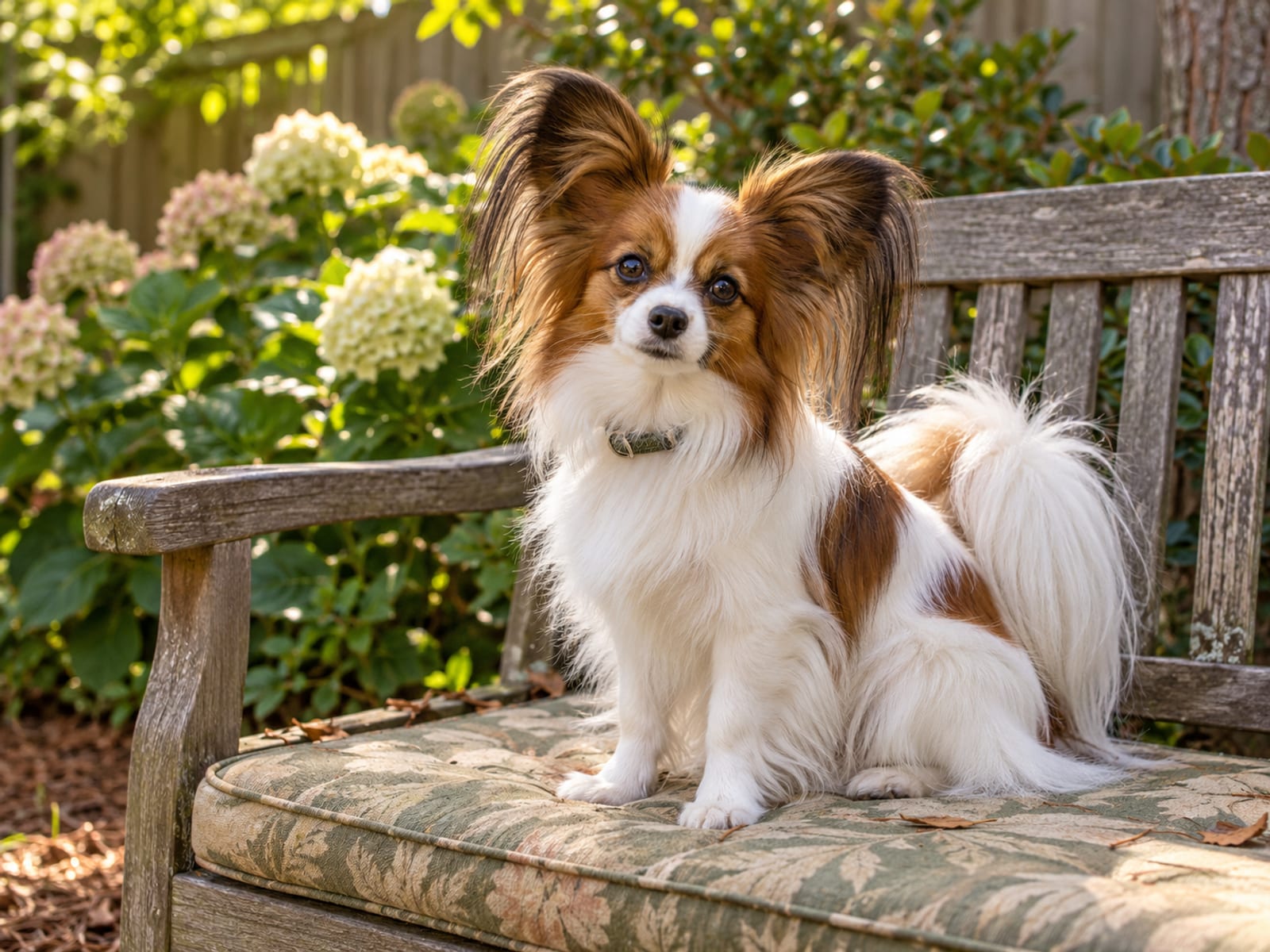
Papillons are the smallest of the five: 8 to 11 inches at the shoulder and 5 to 10 pounds, with a lifespan of 14 to 16 years. The long, fine, silky coat has no undercoat and sheds seasonally. Grooming is lighter than the coat suggests: regular combing, attention to the ears and hind-leg feathering, occasional baths, nail care and regular dental care.
A tiny body comes with serious athletic and mental ability. Papillons are alert, curious, friendly and trainable, and they often enjoy tricks and performance sports. Exercise is moderate to high for their size, and indoor play, walks, trick training and agility can all meet it when you provide them consistently. They can also be alert and vocal, especially when something outside catches their attention, so barking management is part of training.
The Papillon Club of America recommends breed-appropriate health screening, and patellar luxation, dental disease, eye disease and fontanelle concerns are the ones to ask about. Papillons are friendly but physically delicate, so supervise them around active children and larger dogs.
A Papillon suits someone ready to train a small, energetic companion and give it company and enrichment through the day. Its size makes it a strong physical fit for apartment living. It's a harder fit for homes with rough play or large, uncontrolled dogs, or for owners who want a quiet ornament rather than an active, intelligent dog.
Tap or hover a row to highlight it.
| Breed | Weight | Lifespan | Coat and shedding | Exercise |
|---|---|---|---|---|
| BreedLabrador Retriever | WeightMales 65 to 80 lb, females 55 to 70 lb | Lifespan11 to 13 years | Coat and sheddingShort, dense double coat; regular shedding, heavier seasonally | ExerciseHigh |
| BreedGolden Retriever | WeightMales 65 to 75 lb, females 55 to 65 lb | Lifespan10 to 12 years | Coat and sheddingDense double coat; moderate shedding, heavy seasonally | ExerciseHigh |
| BreedPoodle (Standard) | WeightMales 60 to 70 lb, females 40 to 50 lb | Lifespan10 to 18 years | Coat and sheddingCurly, relatively low shedding; regular clipping | ExerciseModerate to high |
| BreedCavalier King Charles Spaniel | Weight13 to 18 lb | Lifespan12 to 15 years | Coat and sheddingLong, silky coat; regular shedding | ExerciseModerate |
| BreedPapillon | Weight5 to 10 lb | Lifespan14 to 16 years | Coat and sheddingLong silky coat, no undercoat; seasonal shedding | ExerciseModerate to high for its size |
What a first dog costs
Planning a realistic budget is part of choosing a breed. ValuePenguin's 2024 estimate puts average dog-owner spending at about $1,248 per year, including about $387 for veterinary services, $349 for food, $349 for products and $150 for other services. That figure is everyday care; budget separately for major illness, emergency treatment, boarding, daycare, pet rent, professional grooming and insurance.
The Insurance Information Institute, using APPA's 2022 to 2023 survey, lists separate average annual expenses: $354 for food, $250 for a routine veterinary visit and $472 for surgical veterinary care. Treat these as separate line items to compare with local prices rather than numbers to add up.
The first year usually costs more. It can include the adoption or purchase fee, a crate, bed, bowls, leash, collar or harness, identification, an initial exam, vaccines, parasite prevention, spay or neuter surgery and training classes. A puppy adds repeated vaccine visits and more training support. An adult shelter dog may come with some veterinary work included, so ask what the adoption fee covers. Surgery, cancer treatment, dental disease, injury and long-term medication sit outside routine averages, so set aside an emergency reserve or look into pet insurance; the ASPCA's tips for cutting pet care costs can help you plan.
Puppy or adult dog: which suits a first home
Both are legitimate first dogs, and the right one depends on your schedule, household and budget. A puppy lets you build routines from the start, and it needs frequent toilet breaks, supervision, socialization, bite-inhibition work, sleep management and protection from hazards. If nobody is home to give daytime care, a puppy is a hard fit.
An adult dog may already be house-trained and have a more settled temperament, and a shelter or foster home can often describe how the dog behaves with people, children, other dogs, cats, handling, car rides and time alone. Adults can still need decompression time, training and medical care. Some owners find a senior dog suits a quieter household because activity needs are often lower and the personality is established; seniors can need more medical monitoring, so ask about the dog's health history and likely costs. Veterinary guidance on selecting a dog points to the same checklist: match the dog's known needs to your time, experience and housing.
What your first weeks with a new dog look like
The first weeks go best when they're quiet, predictable and structured. For house-training, take the dog out often, especially after waking, eating, drinking, playing and sleeping, supervise closely and reward the dog the moment it eliminates outside. Clean accidents without punishment. Puppies need far more frequent trips than adults.
A crate can give your dog a safe place to rest when you introduce it gradually with food, chews and calm praise. Use it as a bed rather than a punishment, and keep time inside within what the dog's body and mind can manage.
Book a veterinary visit early and bring adoption, vaccine, deworming and medication records. The first visit can cover a physical exam, parasite prevention, vaccines, nutrition, identification, spay or neuter planning, dental care and behavior questions. If something seems urgent, call your vet; for the weeks ahead, see the new puppy checklist for the first weeks.
Begin training right away with short reward-based sessions on name recognition, coming when called, handling, leash skills and settling. AVSAB recommends reward-based methods and advises against aversive ones.
Shelters often describe adjustment with the 3-3-3 guide, a rough timeline that individual dogs follow at their own pace:
- First three days: the dog may seem overwhelmed, quiet, fearful or restless, and accidents are common.
- First three weeks: routines and personality become clearer as confidence grows.
- First three months: many dogs settle in and show a fuller range of behavior.
Introduce children, resident pets, visitors, public places and longer absences gradually, and treat the first behavior you see as a starting point rather than the dog's permanent personality. When you're ready to compare more breeds, the dog breeds hub has more profiles.
Questions first-time owners ask
These short answers cover the questions people search most when they're choosing a first dog.
What are the 10 easiest dog breeds to own for a first-time owner?
The easiest breed is the one whose needs match your household. Beyond the five above, Havanese, Shih Tzus, Boston Terriers, Pomeranians and Bichon Frises are common additions, each with its own tradeoffs in exercise, grooming, health, barking, size and time alone. See the companion dog breeds for more.
What is the best dog to get for the first time?
A Labrador or Golden suits an active household that wants a trainable larger dog, a Poodle suits someone who accepts professional grooming, a Cavalier suits someone who can offer frequent companionship and health care, and a Papillon suits someone who wants a very small, mentally active dog. An adult shelter dog with a known temperament can be a better first dog than a puppy of any breed.
What is a good low-maintenance dog?
Start by naming which kind of maintenance matters most to you: grooming, exercise, shedding, health care or training. Papillons need modest coat care for a long-haired breed but still need engagement, while Poodles shed little and need significant grooming. A short-haired dog can shed heavily or need a lot of exercise, so match the category to your household.
What is the least smelly dog?
Odor depends on skin and ear health, coat type, bathing and drying, dental health, anal glands, diet and environment, so it varies by dog more than by breed. Poodles and other low-shedding breeds may leave less loose hair and wet-dog smell in some homes, and they still need grooming and veterinary care. A sudden or strong odor is worth a veterinary visit.
What is the calmest dog to own?
Calmness comes from age, health, exercise, training, socialization and individual temperament. An adult or senior with a known behavior profile is more predictable than a puppy. Cavaliers are often content to relax after moderate exercise, and a sedentary household does best choosing the individual dog, not just a breed label.
Are male or female dogs better for first-time owners?
Individual temperament, age, socialization, health, training and household fit shape daily life more than sex does. Meet the specific dog and ask the shelter, foster home, breeder or veterinarian about its behavior and management needs.
What dogs do vets not recommend?
Veterinary advice centers on fit rather than a list of breeds to avoid. Veterinary selection guidance notes that flat-faced dogs may need extra veterinary care and exercise adjustments, and that high-energy working and sporting dogs can be a hard match for sedentary homes. A veterinarian may also advise against any individual dog whose known health or behavior needs exceed what your household can provide.
What dog can be left alone all day?
Plan every dog's day to include company and bathroom access. Puppies need frequent elimination opportunities and supervision, and some adult dogs develop separation anxiety within minutes of being left. If you're away for a full workday, arrange a midday caregiver, walker, sitter or daycare where it suits the dog, and build absences up gradually while watching how the dog behaves.
What are the worst dog breeds for first-time owners?
A breed becomes a hard fit when its needs outrun the household. A high-drive working dog is a hard match for a sedentary owner, a delicate toy dog can be a hard match for rough young children, and a flat-faced dog asks for careful heat and breathing management. Read each breed's exercise, training, size, grooming and companionship needs against your own week before you choose.
Which breed is easiest to train?
Poodles, Labradors, Goldens, Papillons and Cavaliers are often described as intelligent, motivated or easy to train. How easy training feels depends on the dog's motivation, your consistency, early socialization and the method, and reward-based training is the method to use with all of them.
Where to go from here
If your first dog will share a small home, our apartment dog breeds list is a good next read. Woof Wag Nation has more breed guides in the dog breeds library, and the free Woof Wag Nation newsletter sends one practical dog guide each week.
Sources
- AKC, Great Breeds for First-Time Owners
- AKC, Most Popular Breeds
- AKC, Labrador Retriever
- AKC, Golden Retriever
- Golden Retriever Club of America, Health and Research
- AKC, Standard Poodle
- AKC, Miniature Poodle
- AKC, Toy Poodle
- Poodle Club of America, Health Concerns
- ACAAI, Pet Allergies
- AKC, Cavalier King Charles Spaniel
- American Cavalier King Charles Spaniel Club, Health
- AKC, Papillon
- Purina, Papillón
- Papillon Club of America, Health
- AVSAB, Humane Dog Training Position Statement
- ValuePenguin, Pet Spending Study
- Insurance Information Institute, Pet Ownership and Insurance
- ASPCA, Cutting Pet Care Costs
- ASPCA, Advantages of Loving a Senior Pet
- ASPCA, Reconsider Senior Pets
- AVMA, Selecting a Pet Dog
- AAHA, Adopting a Rescue Dog: What to Expect
- Petfinder, Adjusting to the First Month: The 3-3-3 Rule
- VCA, Behavior Management and Pet Selection Guidelines
- ASPCA, Separation Anxiety